7 Best Screen Repair Patches
From leading brands and best sellers available on the web.By clicking on a link to a third party's website, log data is shared with that third party.

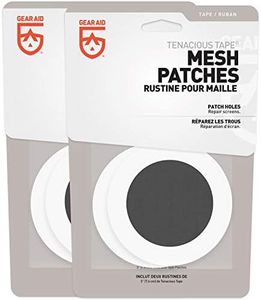
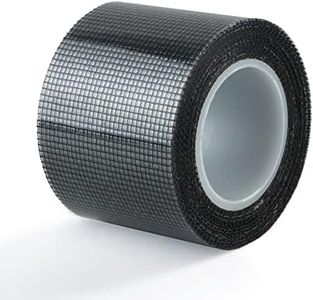
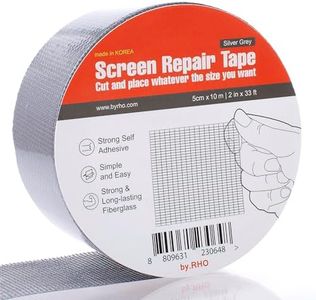
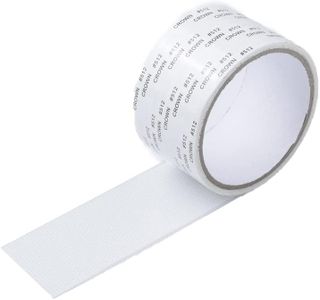
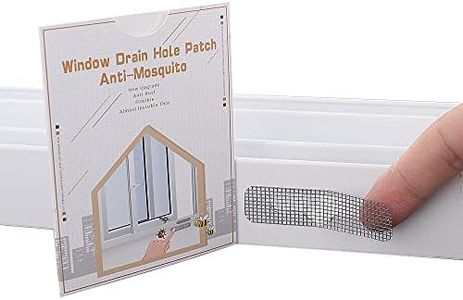
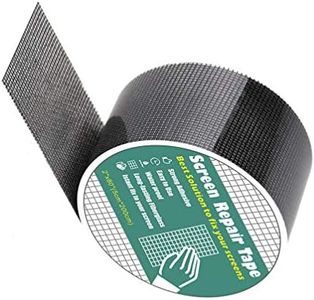
Buying Guide for the Best Screen Repair Patches
Choosing the right screen repair patch is important if you want to quickly and effectively fix torn or damaged window or door screens without having to replace the entire screen. The main idea is to find a patch that sticks well, blends in visually, and lasts a long time outdoors or indoors. By understanding the key features that define a good repair patch, you’ll be able to select a product that meets your needs and avoids frustration later.MaterialMaterial refers to what the repair patch is made from, and it affects how well the patch blends into your existing screen and how long it will last. Most screen repair patches are made of fiberglass, polyester, or metal mesh. Fiberglass is commonly found in window screens and is flexible and rust-resistant, making it a good all-purpose choice. Polyester patches can be thinner and nearly invisible, though they might not be as durable in tough weather. Metal mesh offers extra strength, but can look more noticeable and is best for heavy-duty repairs. To pick the right material, look at the material your original screen uses and decide if you want durability, stealth, or something easy to apply.
Adhesive TypeAdhesive type is about how the patch sticks to your screen and determines how easy the application will be and how long it will stay put. Self-adhesive (peel-and-stick) is the most popular and is very easy to use—simply peel off the backing and press it on. Some patches require heat (usually by ironing), which can be more durable but takes a bit more effort and caution. Others may need to be sewn or glued in place, which gives the strongest hold but takes time and skill. If you need a fast, temporary fix, self-adhesive is best, but for a more permanent or outdoor repair, heat-activated or sew-on patches are better.
Patch SizePatch size is simply the dimensions of the repair patch, and it matters because you want your patch to fully cover the damaged area with some extra margin to stick well. Patches come in different sizes—small ones for minor holes or tears, and larger ones or rolls for big rips or for cutting custom shapes. For small holes, a pre-cut small patch works well; for bigger damage or if you want to make several repairs, consider a larger piece or a roll you can cut to shape. Measure your tear before buying and choose a patch that covers the damage fully with some overlap.
Mesh SizeMesh size describes how fine or open the weave of the patch is. It affects how well the patch blends in and whether it keeps out insects. Standard screen patches match common window screens, letting air through but keeping bugs out. Finer mesh is better for areas prone to small insects, while coarser mesh may look more obvious but is stronger. Match the mesh of your patch to your current screen if you want invisibility and similar bug-blocking performance; choose finer mesh for bug-heavy environments.
ColorColor is how closely the patch matches your existing screen visually. Most patches are either grey or black to match common screen colors, but some may be silver or white. Picking a patch color close to your current screen makes the repair less noticeable. If you care about aesthetics and want your repair to be nearly invisible, hold the patch up to your screen before applying, or buy a multipack to experiment with what looks best.
Durability and Weather ResistanceDurability and weather resistance mean how well the patch holds up to sun, rain, wind, and temperature changes over time. Outdoor screens especially need patches that can resist fading, cracking, and peeling. Look for patches labeled as UV-resistant or waterproof for outdoor repairs. If your screen is indoors, these features matter less, but for patios or windows, they'll help your repair last longer.