10 Best Scuba BCDs
From leading brands and best sellers available on the web.By clicking on a link to a third party's website, log data is shared with that third party.
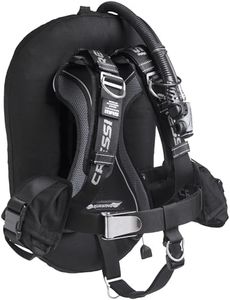
Related Products
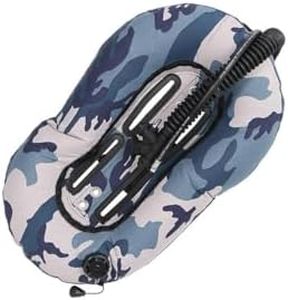
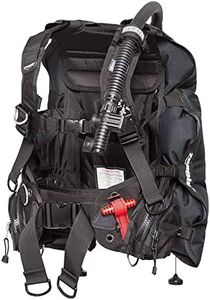
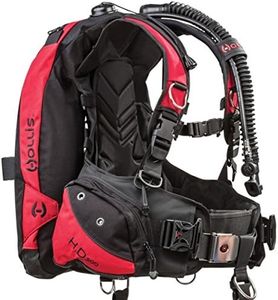
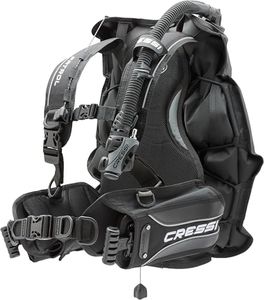
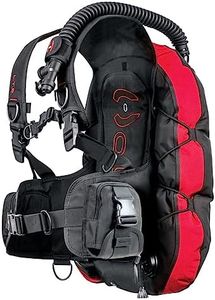
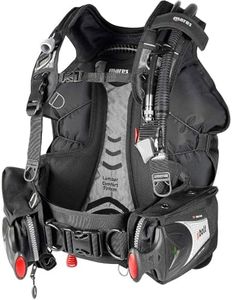


Buying Guide for the Best Scuba BCDs
Buying a Buoyancy Control Device (BCD) for scuba diving is an important step for both safety and comfort underwater. The best BCD for you should match your diving style, needs, and body shape. Consider where you will dive most often (warm, tropical, or cold waters), how much gear you typically carry, and your experience level. Getting a BCD that fits well and supports your diving activities will enhance your enjoyment and performance, so it’s worth taking the time to understand the main features before buying.Type (Jacket, Back-Inflate, Wing)The type of BCD refers to how the air bladder is positioned and how it supports you in the water. Jacket-style BCDs wrap around the torso and are popular for recreational divers due to their stability and comfort on the surface. Back-inflate BCDs place the air bladder behind you, providing better horizontal trim in the water, popular among experienced and travel divers. Wing-style BCDs, commonly used in technical diving, provide streamlined movement and can handle more gear but are generally for more advanced users. Think about where you dive most and how you feel in the water—a beginner or someone who wants surface support may prefer a jacket style, while experienced divers seeking better underwater positioning might opt for back-inflate or wing types.
Lift CapacityLift capacity indicates how much weight the BCD can support in the water, measured in pounds or kilograms. This is important because it determines how much buoyancy the BCD can provide to keep you afloat, especially when wearing heavy wetsuits or carrying extra gear. Lower lift capacities (around 15-25 lbs/7-11 kg) suit warm-water divers with light gear, while higher capacities (30 lbs/13 kg and above) are intended for cold-water diving, technical diving, or those carrying more equipment. Choose your lift based on the environment you dive in and how much weight or gear you carry.
Weight IntegrationWeight integration means the BCD has built-in pockets for holding weights, removing the need for a separate weight belt. This enhances comfort and balance underwater. Some divers like this feature for its convenience, while others prefer traditional weight belts for flexibility. If you find weight belts uncomfortable or want to streamline your setup, go for a BCD with weight integration. However, if you dive with varying amounts of weight or share equipment, a non-integrated BCD could be simpler to manage.
Fit and AdjustabilityA proper fit ensures comfort and safety. Adjustable straps, harnesses, and cummerbunds let you tailor the BCD to your body shape. Ill-fitting BCDs can shift and become uncomfortable, affect your buoyancy control, or even create safety issues. Try different sizes—add or remove layers like a wetsuit or drysuit to match how you’ll actually dive. The right fit feels snug but not restrictive, and all adjustments should be easy to reach and operate.
D-Rings and Attachment PointsD-rings and other attachment points are places where you can clip accessories (like lights, gauges, or cameras). The number and position of these rings determine how much gear you can safely and comfortably attach. Recreational divers may need only a few, while technical divers often require more. Think about the gear you carry—if you like to bring along lots of gadgets or tools, choose a BCD with enough strong, well-placed D-rings.
Pockets and StoragePockets give you space to store essentials like dive slates, safety markers, or spare accessories during a dive. Some divers need lots of storage for tools or extras, while minimalists may want a cleaner, trim design. If you carry more things underwater, look for BCDs with spacious, accessible pockets that won’t interfere with your movements.
Dump Valves and ControlsDump valves allow you to quickly release air from your BCD to help you descend or adjust your buoyancy. Placement and number of valves matter for convenience and safety; more valves mean more ways to control your buoyancy in different body positions. Test how easily you can find and operate those controls, especially with gloves. The right configuration depends on your diving style; if you dive in challenging conditions or want more fine-tuned control, opt for BCDs with multiple, accessible valves.