We Use CookiesWe use cookies to enhance the security, performance,
functionality and for analytical and promotional activities. By continuing to browse this site you
are agreeing to our privacy policy
10 Best Scuba Booties
From leading brands and best sellers available on the web.By clicking on a link to a third party's website, log data is shared with that third party.
Related Products
Up to 11% off
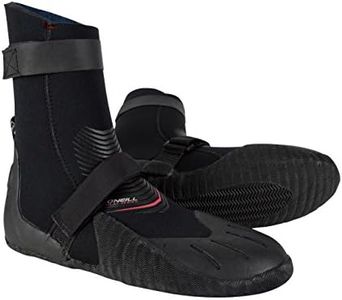
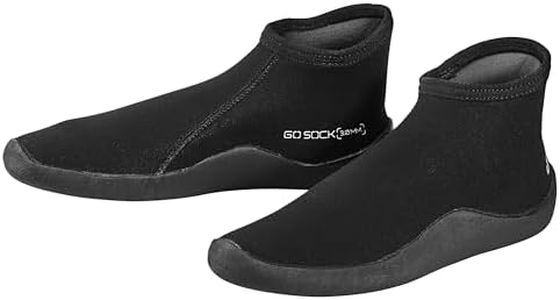
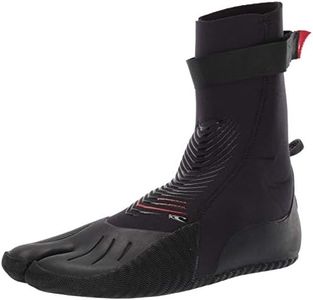
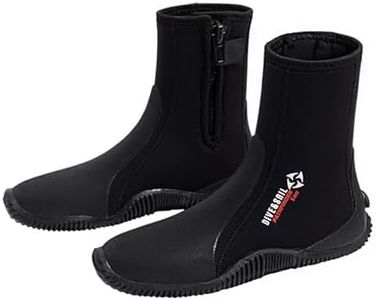
Buying Guide for the Best Scuba Booties
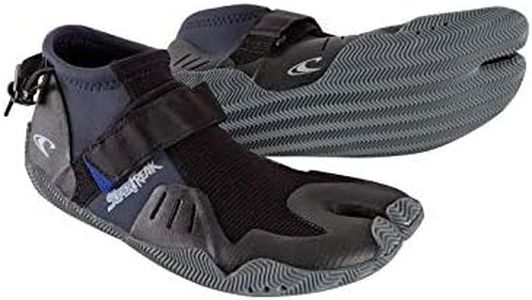
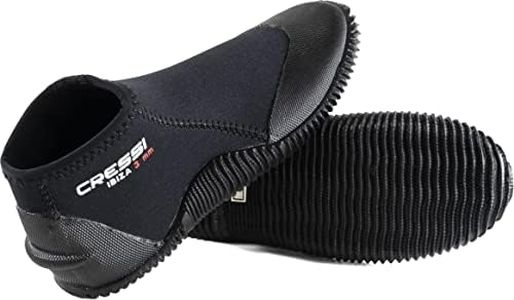
Selecting the right scuba booties is essential for comfort, safety, and performance during your underwater adventures. These booties serve as protective footwear against sharp rocks, hot sand, and cold water while also providing a snug fit inside your fins. When picking scuba booties, you need to consider where and how you’ll be diving, as different conditions require different features. Understanding the key specs will help you make an informed decision and ensure you enjoy your dive to the fullest.ThicknessThickness refers to how much neoprene or insulating material is used in the bootie and is measured in millimeters. This is important because it directly affects warmth and protection. Thinner booties (2-3mm) are best for warm tropical waters where insulation is less important, but you still want some protection from the environment. Medium thickness (5mm) provides a balance of warmth and flexibility, ideal for moderate water temperatures. Thicker booties (6-7mm or more) are needed for cold water to keep your feet warm during longer dives. To choose, think about the water temperature where you'll be diving most often; colder conditions require thicker booties for effective thermal protection.
Sole TypeThe sole type determines how much protection and grip your booties provide on land and inside fins. Thin, flexible soles are lightweight and work well for boat diving or walking short distances. They allow more direct feedback and flexibility but offer less protection against sharp surfaces. Thick, rigid soles offer strong protection and are best if you’ll be walking over rocks, coral, or rough terrain. These are slightly heavier but much sturdier. If you plan on shore diving or walking on rocky surfaces, go for thicker soles, while thin soles are fine for boat access and smooth areas.
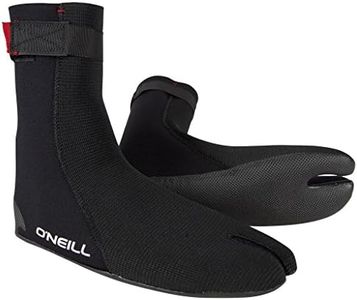
HeightHeight is about how far up your ankle or calf the booties reach. Low-cut booties just cover the foot and ankle, making them easier to wear and cooler in warm water but offering less protection from cold and scrapes. High-cut booties extend up to the mid-calf or higher, giving better insulation and more protection from bumps, scrapes, and cold water entry. Your choice depends on your diving environment and whether you want support and coverage for your ankles.
Closure TypeClosure type refers to how the booties stay snug on your feet—commonly zippers, Velcro straps, or slip-on styles. Zippers make it easier to put the booties on and take them off, especially with thicker neoprene, and often include flaps to prevent water entry. Velcro straps offer adjustable tightness, securing the booties in place. Slip-on types rely on stretchy material for a snug fit and simplicity but may let in more water. If you prefer easy use and secure fit, look for zippers or straps, while simple slip-ons are great for minimal fuss in warm water.
Fit and SizingFit and sizing refer to how the bootie matches your foot shape and size. This is crucial for both comfort and preventing chafing or blisters. Too tight, and your feet may hurt; too loose, and water may flow in, causing cold feet and making movement awkward. Booties usually follow standard shoe sizes, but your best bet is to try them on with any socks or liners you’ll use. Choose the size that feels snug but not restrictive, and ensure they don’t bunch up inside your fins.
Drainage and Drying FeaturesDrainage and drying features, such as mesh panels or drainage holes, are designed to allow water to escape and help the booties dry faster between dives. This reduces the chance of lingering moisture causing odor or discomfort. These features are more common in booties designed for warm or tropical waters, where quick drying is an advantage. Consider these if you dive often and want booties that won’t stay soggy or smelly after use.