10 Best Scuba Diving Fins
From leading brands and best sellers available on the web.By clicking on a link to a third party's website, log data is shared with that third party.
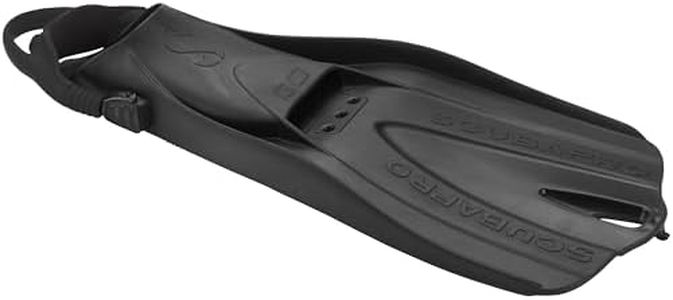
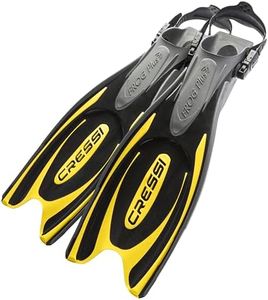
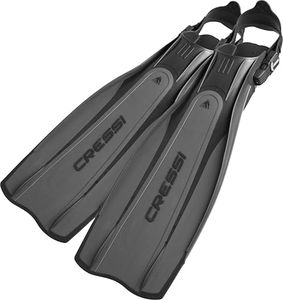

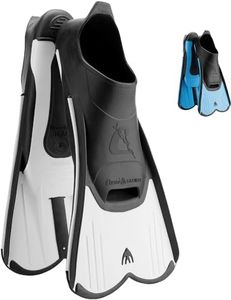
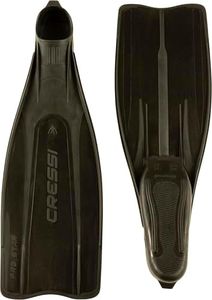
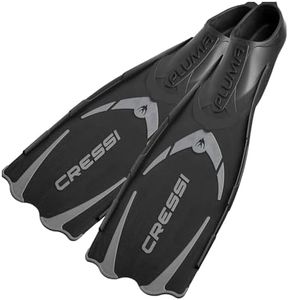
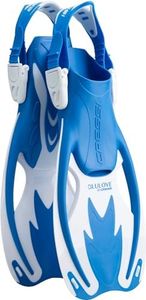
Buying Guide for the Best Scuba Diving Fins
Selecting the right scuba diving fins is essential for comfort, control, and enjoyment underwater. Fins help divers move efficiently through the water, saving energy and allowing longer, more enjoyable dives. The right fins for you depend on factors like your diving environment, skill level, and personal comfort preferences. Understanding the key specifications will help you match the fins to your needs and make your diving experience more pleasant and effective.Fin Type (Open Heel vs. Full Foot)Fin type refers to how the fins attach to your feet. Open heel fins require boots and have adjustable straps, while full foot fins slip directly onto your bare feet and fit like a shoe. Open heel fins are versatile and preferred for colder waters or rocky entries because you can wear insulating boots, offering extra protection. Full foot fins are lighter and more streamlined, making them great for warm water and travel. If you dive mainly in warm, calm waters from boats, full foot fins may be enough, but if you’re diving from shore, in colder water, or need extra foot protection, open heel fins are a better fit.
Blade Type (Paddle, Split, Channel, Vented)Blade type describes the fin shape and how it moves water. Paddle blades are the classic, solid shape and provide strong propulsion, suitable for divers who need power and don’t mind a bit more effort. Split fins have a split down the center, allowing easier kicking with less effort—great for those who want to reduce leg strain. Channel or vented fins guide water efficiently and balance power with ease of use. Your choice depends on your leg strength and diving style: If you want maximum thrust for strong currents, a paddle or channel fin is best; if you have knee troubles or prefer an easier kick, split fins may suit you better.
Fin Length and StiffnessFin length and stiffness affect how powerful and easy your kicks are. Longer and stiffer fins generate more thrust, which is beneficial for strong currents or technical diving, but they require stronger legs and can cause fatigue if you’re not used to them. Shorter or more flexible fins are easier and more comfortable, especially for beginners or those diving in calm conditions. If you’re new to diving or value relaxed kicking, opt for shorter and more flexible fins, while experienced divers or those tackling challenging dives may prefer longer, stiffer fins.
Material (Plastic, Rubber, Composite)Fins are made from materials like plastic, rubber, or composite blends. Plastic fins are lightweight and affordable, usually good for travel or infrequent use. Rubber fins are more durable and heavier, suitable for frequent diving or rough entry sites. Composite fins blend materials for balanced performance, strength, and flexibility. If you plan on diving often or in challenging environments, more durable materials like rubber or composite are advisable, while casual or travel divers find lighter plastic fins more convenient.
Foot Pocket Comfort and FitThe foot pocket is where your foot goes and determines how comfortable the fin feels during long dives. A well-fitting pocket reduces the risk of blisters and fatigue, which is critical for enjoyment and safety underwater. Try fins on with or without boots (depending on fin type) and ensure they’re snug but not overly tight. Your diving comfort will be largely affected by this, so always prioritize foot pocket fit for your intended diving style, water temperature, and personal comfort.
Weight and Travel FriendlinessWeight matters most if you travel frequently. Lighter fins are easier to pack and carry, while heavier fins can give more power but add bulk to your gear. If you fly often or hike to remote dive sites, lighter, more streamlined fins will make your travel experience smoother, whereas local or boat divers may benefit from the added performance of heavier fins.