10 Best Security Padlock
From leading brands and best sellers available on the web.By clicking on a link to a third party's website, log data is shared with that third party.
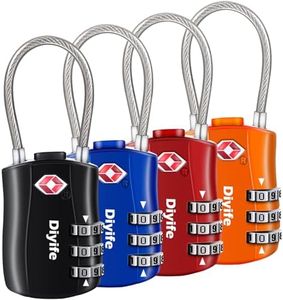
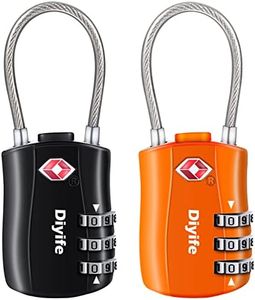
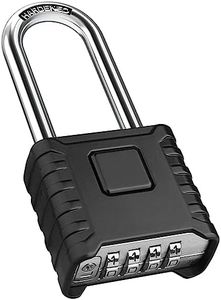
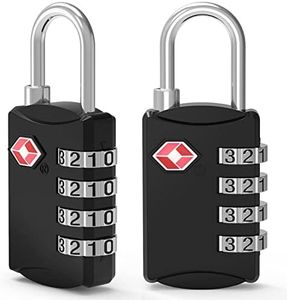
Related Products
Up to 8% off
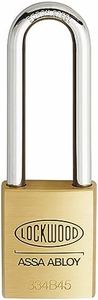
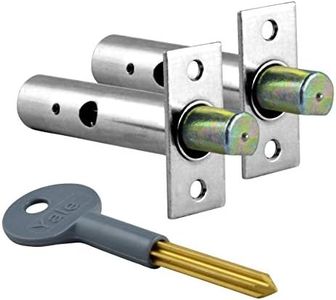
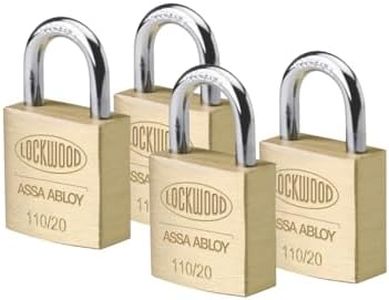
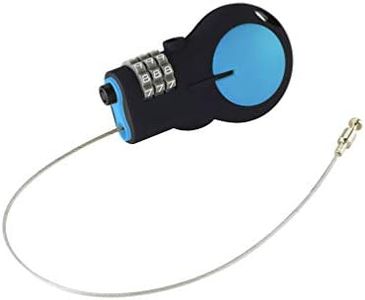
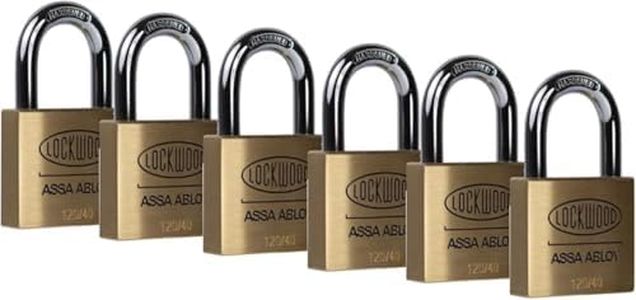
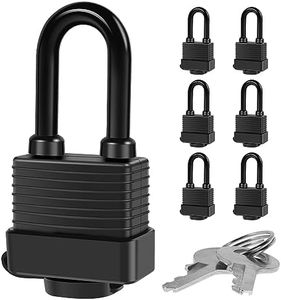
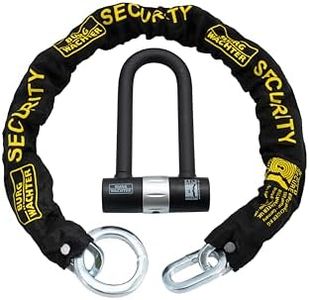
Buying Guide for the Best Security Padlock
Choosing the right security padlock is essential for keeping your belongings secure, whether you’re locking up a garden shed, a toolbox, a gate, or a storage unit. The ideal padlock for you will depend on where and how you plan to use it. Consider the environment (indoor or outdoor use), the value of what you’re securing, and how frequently you need to open it. By understanding key features and specifications, you can match a padlock to your specific needs and confidently protect your property.Lock Body MaterialThe body material is what makes up the main part of the padlock and contributes to its strength and resistance to attacks or harsh weather. Common materials include brass, steel, and laminated metals. Brass is naturally corrosion-resistant and suitable for moderate outdoor use, steel offers higher strength and security for situations with more risk of forced entry, and laminated bodies combine durability and weather resistance for tough environments. If you’re using the padlock outside or in a damp place, choose a corrosion-resistant material, while high-security applications often call for hardened steel.
Shackle Material and ThicknessThe shackle is the 'U'-shaped loop that goes around whatever you’re locking. Its material and thickness are crucial for resisting cutting, sawing, or prying attacks. Hardened steel shackles are much tougher and less likely to be cut through than standard steel or brass. Thicker shackles (usually measured in millimeters) are generally stronger, but very thick shackles may not fit certain locks or chains. Choose a shackle material and thickness based on the level of theft risk; for high-risk areas, go for hardened steel and thicker designs, while for basic security, standard materials may suffice.
Shackle ClearanceShackle clearance refers to the space inside the shackle—both vertically and horizontally. This affects what the padlock can actually fit around. A padlock with high clearance fits around bigger hasps or latches, but provides more space for potential thieves to pry or cut. Low-clearance padlocks are more secure but require precise sizing. Measure what you need to lock and choose a shackle clearance that’s just big enough to fit, minimizing excess space for tools.
Locking MechanismThis is how the padlock opens and secures: it could be a traditional key, a combination dial, or even a smart (digital) mechanism. Keyed padlocks are simple and reliable—ideal if you don’t want to memorize codes. Combination locks offer keyless convenience but can be less secure if the combination is easy to guess. Smart locks provide advanced features like keyless entry via phone but require batteries. Choose the mechanism based on convenience, reliability, and how likely you are to lose keys or forget combinations.
Weather ResistanceWeather resistance tells you how well the padlock holds up to rain, snow, and extreme temperatures. Outdoor locks should have materials and coatings that resist rust and corrosion, sometimes featuring rubber or plastic covers to shield delicate parts. If your padlock will be exposed to the elements, make sure it is described as weatherproof or outdoor-rated; for indoor use, standard models are usually sufficient.
Security RatingMany padlocks are assigned a security rating by manufacturers or independent organizations. These ratings assess how well a lock stands up to cutting, prying, and picking. Higher ratings mean greater protection, with distinctions for low, medium, and high-security levels. If you’re locking up high-value items or using the lock in a crime-prone area, look for a padlock with a higher security rating. For everyday or temporary use, a basic rating is often all you need.