10 Best Selfie Drones
From leading brands and best sellers available on the web.By clicking on a link to a third party's website, log data is shared with that third party.

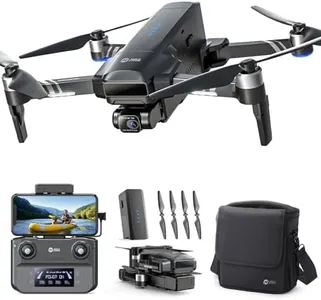
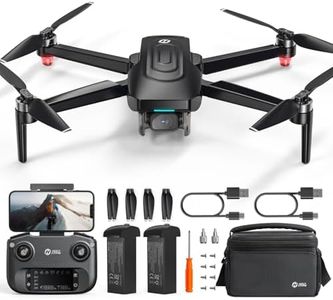
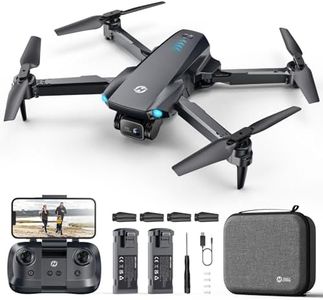
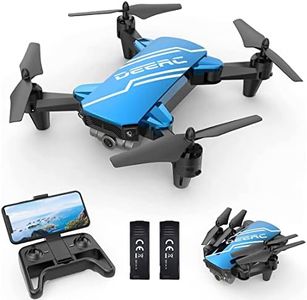
Related Products
Up to 26% off
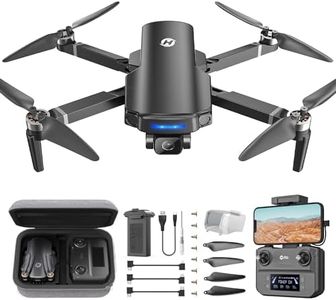
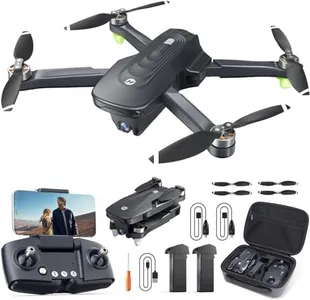
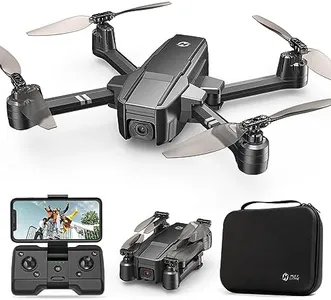
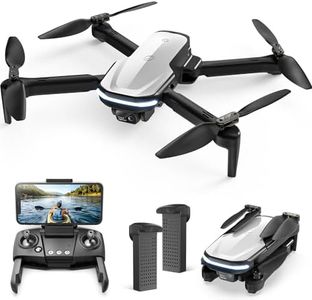
Buying Guide for the Best Selfie Drones
When choosing a selfie drone, it's important to focus on how easy it is to use, the quality of the photos and videos it can take, and its portability. Selfie drones are designed for capturing photos and videos of yourself from creative angles, usually with automatic flying features. Understanding the most important features helps you pick a drone that fits your lifestyle, whether you want to use it for travel, family events, or social media content.Camera ResolutionCamera resolution tells you how clear and detailed your photos and videos will be. Higher resolutions like 4K or 1080p give sharper images, while lower resolutions such as 720p might look more pixelated or blurry when zoomed in or viewed on big screens. If you want professional-looking results for social media or prints, aim for higher resolution. For casual snapshots or sharing only on your phone, lower resolution may be fine. Think about how you want to use your photos and whether image quality is a top priority.
Flight TimeFlight time is how long the drone can stay in the air on a single battery charge. Shorter flight times (around 5–10 minutes) are more common on compact drones, while higher-end models might last 15–30 minutes. If you plan to take a lot of shots or videos in one session, longer flight time saves you from having to recharge or change batteries frequently. If you only need occasional quick selfies, a shorter flight time could work. Matching this to your shooting habits helps avoid frustration.
Size and FoldabilityThe size and whether the drone is foldable are all about portability. Smaller and foldable drones are easier to carry in a bag or pocket, making them perfect for travel and spontaneous use. Larger drones may give better performance, but can be less convenient to bring everywhere. If you travel often, want a drone for hiking, or plan to use it at events, pick a lightweight and easy-to-carry model. If you use it mainly in one place like your backyard, size might matter less.
Ease of Use and ControlsHow you control the drone affects your overall experience. Many selfie drones can be operated through a smartphone app, gesture controls, or even voice commands. Some offer one-touch takeoff, landing, and automatic modes that keep the drone at a certain height or follow you. If you’re new to drones, prioritize models that advertise simple controls or beginner-friendly features. Advanced users might want manual controls or access to more settings. Consider your comfort with technology and how much you want to learn.
StabilizationStabilization helps keep your photos and videos from looking shaky or blurry as the drone moves or if there’s wind. Basic drones use digital stabilization, while more advanced ones feature gimbals that physically move to steady the camera. If smooth video or sharp photos—especially in motion—are important, seek out drones with good stabilization. For still shots or if you’re okay with a bit of shake, simpler options might work.
Obstacle Avoidance SensorsObstacle avoidance sensors help the drone detect and avoid walls, trees, or objects in its path, which is especially helpful for beginners or when flying in crowded spaces. Some drones only have basic sensors that help them hover in place, while others can automatically change direction if something is in the way. If you’ll fly your drone in areas with lots of obstacles or if you’re still learning, choose a model with solid obstacle avoidance features. If you’ll use it mostly in open spaces and are confident in controlling it, minimal sensors may be enough.
RangeRange refers to how far the drone can fly from its controller or your phone before it loses connection. Short ranges (about 20–30 meters) limit you to close-by selfies, while longer ranges (up to several hundred meters) allow for more creative and distant shots. If you want wide landscape shots or to include lots of background, a longer range gives you more options. If you just want quick selfies, staying within a short distance is usually fine.