10 Best Semi Automatic Espresso Machines
From leading brands and best sellers available on the web.By clicking on a link to a third party's website, log data is shared with that third party.

Related Products
Up to 42% off
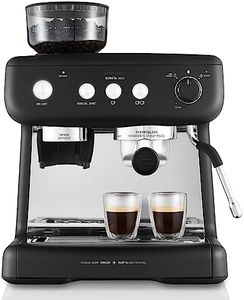
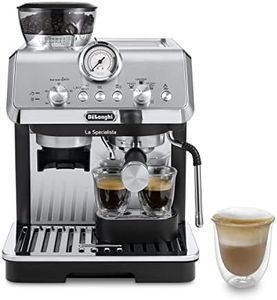
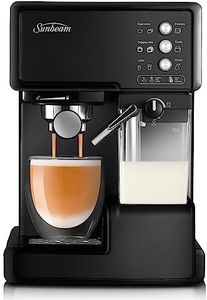
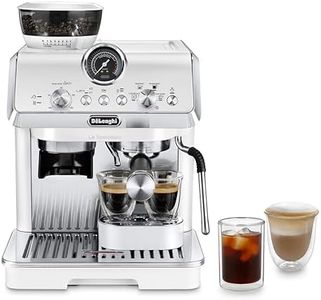

Recommended lists


Buying Guide for the Best Semi Automatic Espresso Machines
Choosing a semi-automatic espresso machine is a great way to enjoy café-quality coffee at home while still having a hands-on experience. These machines strike a balance between convenience and control, allowing you to manage parts of the brewing process, like grinding and tamping, while automation helps with tasks like water temperature and pressure. To select the right machine for your needs, it’s important to think about how involved you want to be in making espresso, how much counter space you have, and the features that best suit your habits and lifestyle. Understanding the key specifications can help ensure every cup matches your expectations.Boiler TypeThe boiler type in a semi-automatic espresso machine determines how water is heated for brewing and steaming. Common types include single boiler, heat exchange, and dual boiler. Single boiler machines use one boiler for both brewing and steaming, which means you have to wait between making espresso and frothing milk. Heat exchange systems allow you to brew and steam almost simultaneously, while dual boilers let you do both at exactly the same time with separate boilers. If you mostly drink straight espresso, a single boiler may suffice. If you often make milk drinks like lattes or cappuccinos, a heat exchange or dual boiler offers more convenience and speed.
Pump PressurePump pressure refers to how much force is used to push water through the coffee grounds. Most machines target around 9 bars of pressure, which is the standard for a good extraction. Lower-pressure machines might struggle to produce rich, flavorful espresso, while unnecessarily high pressure doesn’t improve taste and can make machines harder to use or maintain. For most home users, a machine that reliably delivers about 9 bars will create espresso with the right body and crema.
Portafilter SizeThe portafilter is the handle and basket where you place coffee grounds. Portafilters come in different sizes, usually measured in millimeters (like 58mm, 54mm, or smaller). Larger portafilters typically allow for more even extraction and are compatible with a wider variety of accessories, while smaller ones are often found in compact machines. If you want to experiment and make coffee like baristas, a standard 58mm portafilter gives you more flexibility. For simple, space-saving machines, smaller portafilters are fine.
Steam Wand TypeThe steam wand is used to froth milk for drinks such as lattes and cappuccinos. Some machines have basic wands that automatically introduce air, often called 'panarello' wands, making it easy for beginners. Others offer full manual control, which allows you to produce professional-quality microfoam but requires more skill. If you want hassle-free frothing, look for machines with assisted wands. If perfecting latte art or texture is a priority, a manual steam wand will give you the control you need.
Water Reservoir CapacityThe water reservoir holds the water used to brew espresso and steam milk. Sizes vary, typically from around 1 to 3 liters. A larger tank means less frequent refilling and is useful if you make many drinks in a row or entertain guests regularly. Compact machines may have smaller reservoirs, which is fine if you only make one or two cups per day. Consider your daily usage and how often you want to refill when choosing.
Temperature ControlTemperature control is crucial for consistent, flavorful espresso. Some machines offer basic thermostats, while more advanced models have precise electronic controllers. Better temperature stability leads to better-tasting coffee, especially if you experiment with different beans. For everyday use, a machine with reliable but simple temperature control is enough. If you want to fine-tune your espresso or use specialty coffees, look for models with more advanced temperature management.
Build Quality and MaterialsThe quality and type of materials used affect the machine’s durability, appearance, and ease of cleaning. Stainless steel and metal components are generally sturdier and withstand more frequent use, while plastic parts may be lighter and cost less but might not last as long. If you want a machine that lasts for years and maintains its appearance, focus on robust construction. If you favor lightweight design or portability, plastic elements can be adequate.