10 Best Sewing Threads
From leading brands and best sellers available on the web.By clicking on a link to a third party's website, log data is shared with that third party.
Related Products
Up to 8% off

Buying Guide for the Best Sewing Threads
Choosing the right sewing thread is essential as it can impact the strength, look, and longevity of your sewing project. The ideal thread will blend well with your fabric and intended use, ensuring both a clean finish and durable result. Understanding the various specifications of sewing threads helps you find the best match for different fabrics and project types, whether you are mending clothes, quilting, or creating decorative stitches.MaterialThread material refers to what the sewing thread is made of, and it's one of the most significant factors in thread selection. Common materials include cotton, polyester, nylon, silk, and blends. Cotton thread is popular for quilting and natural fabrics because it has a soft finish and absorbs dyes well, which means colors stay vibrant. Polyester is more versatile and strong, making it suitable for most garment-sewing and general use, especially with synthetic fabrics. Nylon is strong and stretchy, making it good for heavy-duty or stretchy materials. Silk thread is luxurious and perfect for delicate or fine fabrics. When picking thread material, think about the fabric you are using and the kind of stress the seams will face—the goal is to match the thread’s stretch, strength, and texture to your project for best results.
Thickness (Thread Weight or Tex)Thread thickness, often called weight or Tex, describes how fine or thick the thread is. It affects the visibility of stitches and the strength of the seam. Lighter weights (higher numbers for weight, lower tex values) are finer and better for delicate fabrics, heirloom sewing, and detailed work. Medium weights are the most common, suitable for everyday clothing and basic projects. Heavier threads are thicker, more visible, and stronger, making them best for heavy fabrics like denim, canvas, or when you want your stitching to stand out, like in topstitching. Choose the thread thickness by considering your fabric’s weight and the look you want—fine thread for delicate fabrics, medium for regular projects, and heavy for tough jobs or decorative effects.
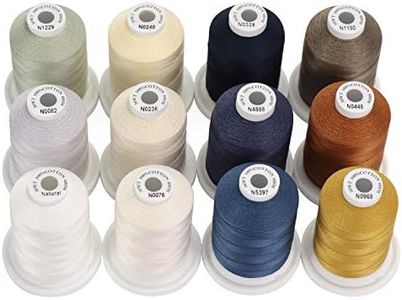
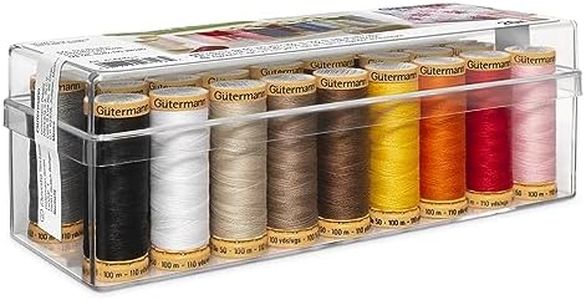
ColorThread color is important for both appearance and blending. A matching thread will blend into the fabric, while a contrasting color will make your stitches stand out as a design element. When choosing color, most people try to match the dominant color of the fabric, erring on the side of slightly darker if an exact match isn’t available, as it tends to hide better in seams. For decorative stitching, pick a color that contrasts or complements your fabric’s color scheme. Think about whether you want your sewing to be invisible or a standout detail before choosing.
FinishThe finish of a thread refers to its surface texture and how it interacts with fabric. Some threads are mercerized (especially with cotton), meaning they have been processed for a smoother, shinier, and stronger thread. Others are glazed, giving them a hard, glossy finish, or waxed for hand sewing to reduce tangling. Finishes can affect how smoothly the thread moves through your fabric and sewing machine. For most machined projects, a smooth, mercerized finish is best, while for hand sewing, a waxed or glazed finish might reduce frustration. Choose the finish based on your sewing method and the final look you want.
Intended Use (All-Purpose, Specialty)Thread is often labeled by its main intended use—such as all-purpose, quilting, embroidery, or heavy-duty. All-purpose thread is designed for general sewing and works well on most fabrics, making it a safe bet for many projects. Specialty threads, like embroidery or metallic, are meant for decorative stitching and might not be strong enough for seams. Heavy-duty thread is intended for high-stress areas or thick materials. When picking, always be guided by your project—go for all-purpose for everyday clothing, specialty for decoration, and heavy-duty for strong, functional seams.