10 Best Sheets For 12 Inch Mattress
From leading brands and best sellers available on the web.By clicking on a link to a third party's website, log data is shared with that third party.
Related Products
Recommended lists
Top rated
Sheets For Thin Mattress
Buying Guide for the Best Sheets For 12 Inch Mattress
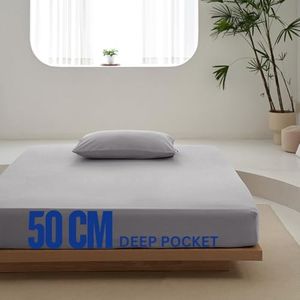
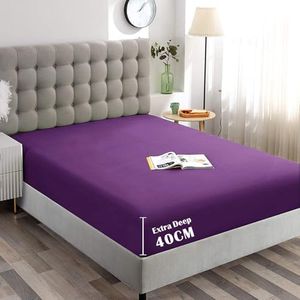
Choosing the right sheets for a 12-inch mattress may seem straightforward, but a bit of planning ensures you get a comfortable fit and a better night's sleep. It's not just about picking colors or patterns; you need sheets that will hold up to frequent washing, feel good on your skin, and stay secure on your mattress without slipping off the corners. By understanding the main features of bed sheets, you can select a set that matches your sleep preferences and your mattress dimensions. Here are the most important aspects to consider:Size and Fit (Pocket Depth)When shopping for sheets, it's crucial to choose the right size and correct pocket depth so the sheets fit snugly on your mattress. Pocket depth refers to how deep the fitted sheet can go to wrap around your mattress. Since you have a 12-inch mattress, look for sheets labeled as ‘deep pocket’ (usually fitting mattresses from about 10 to 15 inches thick). Standard sheets, meant for thinner mattresses, may not fit well and can pop off the corners. On the other hand, if you pick sheets with an extra-deep pocket meant for mattresses thicker than 15”, they may feel baggy and bunch up. Always check the manufacturer’s recommended pocket depth and compare it to your mattress height for the best fit.
Material/Fabric TypeThe fabric of your sheets affects their softness, durability, breathability, and how they feel against your skin. Common materials include cotton (which is soft, breathable, and easy to wash), microfiber (smooth and often wrinkle-resistant), linen (cool and moisture-wicking, but may feel rougher at first), and blends. Cotton sheets, especially those labeled 'percale' or 'sateen,' are popular for varying feels—percale is crisp and cool, sateen is smooth and slightly shiny. When picking, consider if you want a cool, airy feel (linen or percale cotton) or a silky warmth (microfiber or sateen cotton). Your climate and personal texture preferences should guide your choice.
Thread CountThread count refers to how many threads are woven into a square inch of the fabric. While a higher thread count can sometimes mean a smoother and more durable sheet, numbers can be misleading. Very high counts (like above 800) don't always equal better quality, as the type and quality of the fibers matter more. Sheets with a thread count around 200-400 tend to balance comfort, breathability, and durability for most cotton sheets. If you want something crisp and lightweight, aim for a lower end; for a heavier, denser feel, lean towards the higher end. Focus on thread count alongside material quality instead of only chasing high numbers.
Weave TypeWeave is about how the threads are interlaced and it significantly changes how the sheets feel and perform. The two most common weaves are percale, which is cool and crisp, and sateen, which is smoother and shinier. Percale is good for people who get hot at night or want a traditional cotton feel, while sateen is great for those who want a silky touch. Your preference for a cool or a cozy sleep surface should help you decide on the weave.
Care and MaintenanceCheck if the sheets are easy to wash and care for, especially if you expect to wash them frequently. Some materials, like cotton and microfiber, handle regular machine washing well, while linen may get softer over time but may initially wrinkle more. If you have allergies, look for sheets labeled as hypoallergenic or easy-care; they can help with maintenance and comfort. Always consider how much time and energy you want to spend on laundry and upkeep to pick the material and care routine that fits your lifestyle.