We Use CookiesWe use cookies to enhance the security, performance,
functionality and for analytical and promotional activities. By continuing to browse this site you
are agreeing to our privacy policy
10 Best Silent Click Mice
From leading brands and best sellers available on the web.By clicking on a link to a third party's website, log data is shared with that third party.


Related Products
Up to 31% off
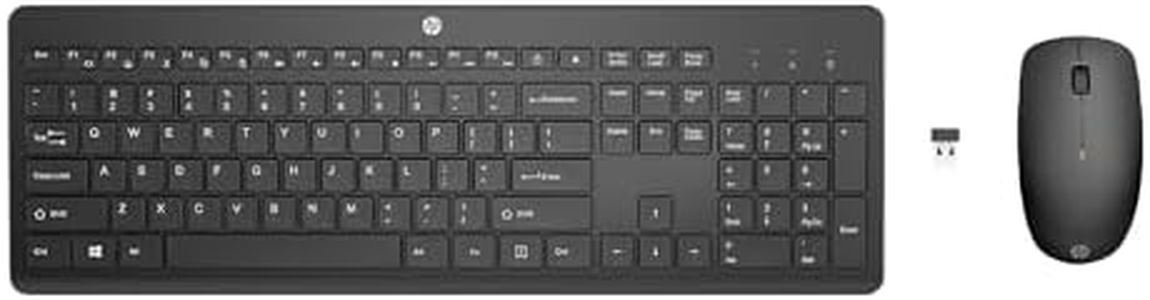
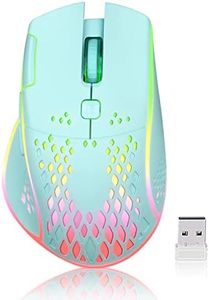
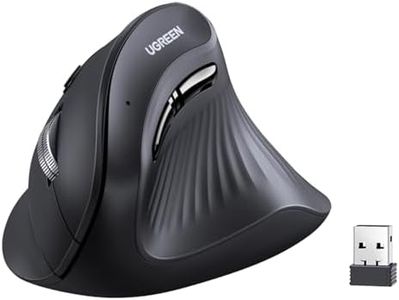
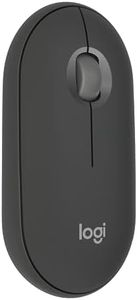
Buying Guide for the Best Silent Click Mice
When choosing a silent-click mouse, it's important to focus on both comfort and quietness. Silent mice are designed to produce significantly less noise when clicking, making them ideal for quiet environments like libraries, shared offices, or late-night work sessions at home. You'll want to compare various models based on a few important features to ensure you get a mouse that's not only silent but also suits your personal preferences and daily usage needs.Click Noise LevelClick noise level refers to how loud or quiet the button clicks are on a mouse. This is crucial for silent-click mice, as their main purpose is to reduce the clicking sound typically associated with regular mice. Silent mice usually use special switches inside that muffle the sound. Noise levels can range from nearly inaudible (barely detectable in silent rooms) to soft (quiet enough not to disturb people nearby). If your main concern is not bothering coworkers or family members, look for mice specifically labeled as ultra-silent or with tested decibel ratings. For those who still want a little feedback but less noise, a mouse with soft, muted clicks may be sufficient.
Ergonomics and ShapeErgonomics refers to how the mouse fits in your hand and how comfortable it is to use for extended periods. The right shape depends on your hand size, grip style (such as palm, claw, or fingertip), and whether you are left- or right-handed. Mice come in different sizes and contours; some are designed to support your palm and fingers better, which can help prevent strain. If you spend long hours at the computer, prioritize a shape that matches your grip and feels natural in your hand to avoid discomfort.
Wireless vs WiredThis describes how the mouse connects to your device. Wireless mice use Bluetooth or a USB receiver, giving you more flexibility and less cable clutter, while wired mice connect with a cable and are generally lighter since they don't need batteries. Wireless options are great if you need portability or hate cables, but they require charging or battery replacements. If you work mainly at a single desk and don't want to think about power, a wired mouse might be preferable. Consider your typical workspace and whether you move your mouse between devices before deciding.
DPI (Dots Per Inch) SensitivityDPI measures how sensitive the mouse is to movement; higher DPI means the pointer moves further on the screen with less physical movement. Some silent mice have adjustable DPI settings, allowing you to switch between lower DPI for precise tasks like graphic design or higher DPI for fast cursor movement, such as in gaming. For general office or web browsing, mid-range DPI (800-1600) is usually comfortable. If you do detailed design work or fast-moving tasks, look for a mouse with adjustable DPI.
Battery LifeBattery life only applies to wireless mice, indicating how long the mouse can operate before needing a recharge or new batteries. Some silent mice are optimized for low power use and can last months on one set of batteries, while others may need charging more often. If you dislike frequent interruptions, prioritize a model known for long battery life. Consider your willingness to recharge or replace batteries and how often you use your mouse outside the office or home.
Button Customization and Extra FeaturesSome silent mice offer extra programmable buttons, allowing you to assign shortcuts or special functions for tasks like internet browsing or productivity. This can enhance your workflow if you frequently use specific commands. However, more buttons may make the mouse bulkier or harder to use if you prefer simplicity. Decide if productivity shortcuts or customization matter to you, or if you prefer a basic, distraction-free mouse.