10 Best Ski Tuning Tools
From leading brands and best sellers available on the web.By clicking on a link to a third party's website, log data is shared with that third party.
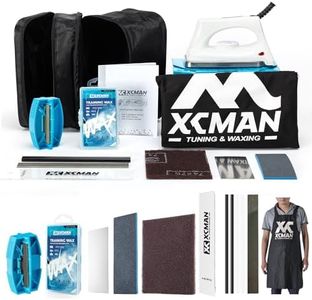
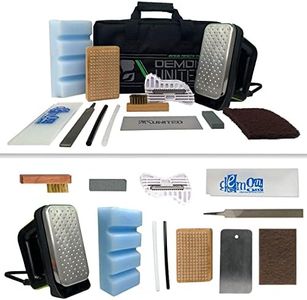
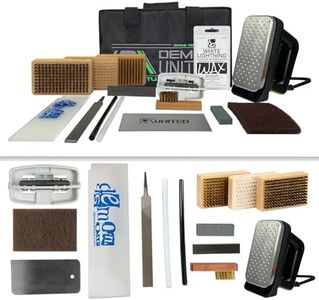
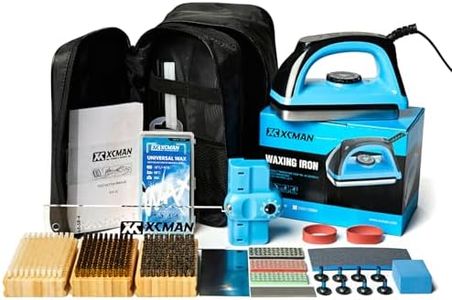
Related Products


Buying Guide for the Best Ski Tuning Tools
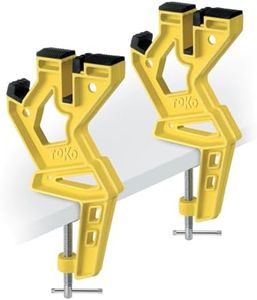
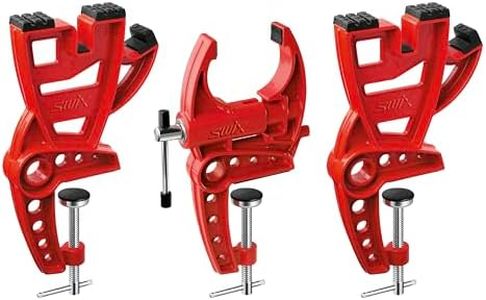
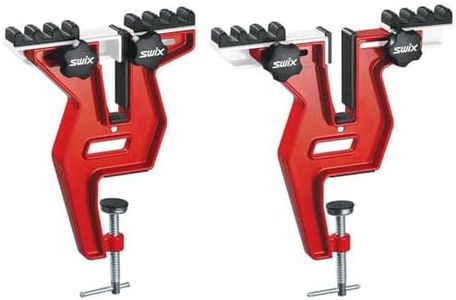
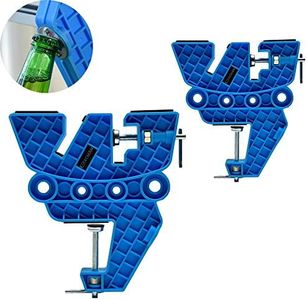
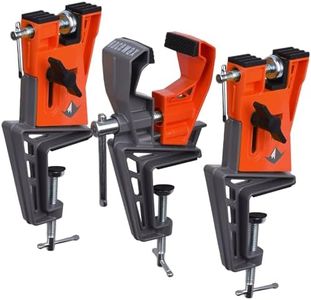
When picking ski-tuning tools, your goal is to maintain your skis for better performance and durability. The right tools will help you keep your skis fast, responsive, and safer on the slopes. It’s important to understand what each tool does and why it’s necessary for your level of involvement. Knowing the features of each tuning tool will guide you in choosing the best ones for your own skills and how much hands-on tuning you want to do, whether you are a beginner or an experienced skier.Ski ViseA ski vise is a device that holds your skis securely while you work on them. This is important because stability is key when tuning; without a good hold, maintenance tasks like scraping and filing can be difficult or even dangerous. Ski vises come in different designs: basic vises may clamp only at the bindings or sides, while advanced models hold skis in multiple positions. If you’re planning to do full tuning at home often, a sturdy, adjustable vise is ideal. Occasional users might get by with a simple version.
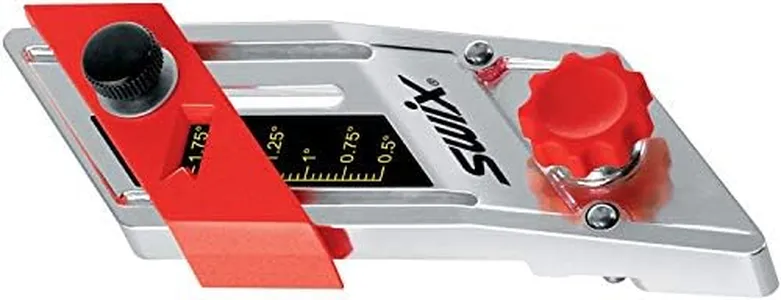
Edge TunerEdge tuners are tools that allow you to sharpen and set the angle of your ski edges. This affects how the skis grip icy or hard snow. Edge tuners vary by the angles they support and how precise they allow you to be—some are fixed-angle, others are adjustable. Beginners can choose a simple, fixed-angle tuner set to a common recreational angle, while advanced users or racers might want tuners with a wider range of angles for customization.
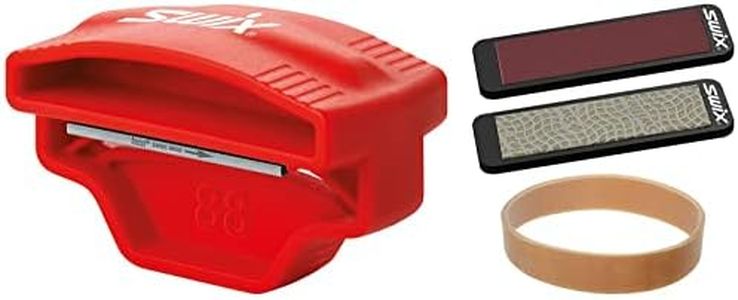
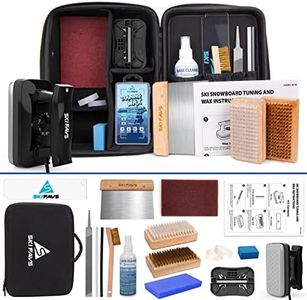
Diamond Stones and FilesThese are used to sharpen, smooth, and polish the edges of your skis after using a rough file. Different grit levels are available—from coarse (for repairing damaged edges) to fine (for polishing). Beginners can usually manage with one medium-grit stone, but frequent and advanced tuners benefit from a full set of coarse, medium, and fine options for better control over edge condition.
Base Brush and ScraperAfter waxing your skis, you’ll need a scraper (usually plastic) to remove leftover wax and a brush (nylon, brass, or horsehair) to polish the base and expose its structure. Different brushes bring out different qualities in the finish—nylon is most all-purpose, while brass and horsehair can be used for deeper or finer polishing. If you tune occasionally, a single scraper and nylon brush are enough. If you wax often, a set of brushes will make a difference.
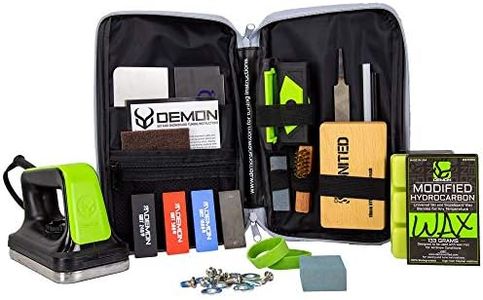
Waxing IronA waxing iron is used to melt and evenly spread wax onto the ski base. Consistency and temperature control are important to avoid damage. Some irons are specifically made for skis, offering adjustable temperatures and a thick plate for even heat, while others are simple household irons. For infrequent tuning, a basic iron can do the job, but serious tuners will benefit from a purpose-built ski waxing iron that offers greater precision and safety.
Gummy Stone and Deburring ToolsA gummy stone is a soft abrasive used to smooth out slight burrs and polish your edges after sharpening. Deburring is an important finishing step that makes your skis feel smoother and can prevent catching or damage. Not every home tuner will do this with every session, but for an extra-smooth ride, especially after aggressive sharpening, including a gummy stone is helpful.