We Use CookiesWe use cookies to enhance the security, performance,
functionality and for analytical and promotional activities. By continuing to browse this site you
are agreeing to our privacy policy
10 Best Slate Tile Cleaners
From leading brands and best sellers available on the web.By clicking on a link to a third party's website, log data is shared with that third party.


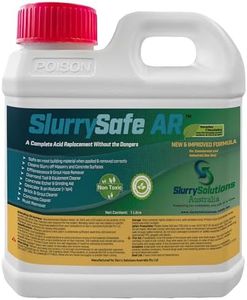
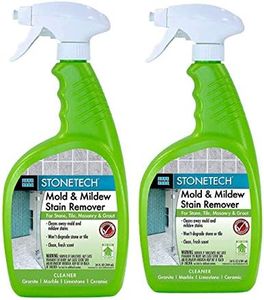
Related Products
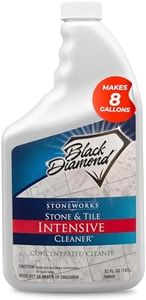
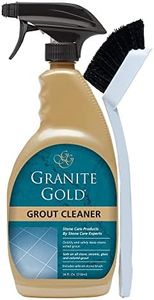
Buying Guide for the Best Slate Tile Cleaners
Choosing the right slate tile cleaner is important for protecting the natural beauty and durability of your slate floors or surfaces. Slate is a porous and often uneven natural stone, so it requires special care compared to general-purpose cleaners. The right product should effectively clean without damaging the stone, leaving your tiles looking their best and maintaining them for years to come. Knowing what to look for will help you navigate the many options and ensure your slate stays pristine.pH LevelThe pH level of a cleaner indicates how acidic or alkaline it is. For slate, which is sensitive to harsh chemicals, a neutral pH (around 7) is ideal because it cleans effectively without risking damage or discoloration to the stone. Acidic or highly alkaline cleaners can etch or degrade slate surfaces over time. When deciding, look for products marketed as 'pH neutral' or those specifically labeled safe for natural stone. Neutral cleaners are best for regular maintenance, while slightly more alkaline formulas might be reserved for tougher stains and occasional deep cleans under proper guidance.
Formulation (Ingredients)The formulation or ingredients in a slate tile cleaner determine not only how well it cleans, but also the potential for residue, scent, and safety for users or pets. Stone-safe cleaners usually contain biodegradable, non-toxic ingredients and avoid harsh chemicals like bleach, ammonia, or vinegar. Choose a cleaner free of abrasive particles and strong solvents; look at ingredient lists for gentler surfactants and natural extracts. For homes with pets, children, or allergies, always check for hypoallergenic and fragrance-free options.
Application TypeApplication type refers to whether the cleaner comes as a concentrate, ready-to-use spray, wipes, or powder. Concentrates are mixed with water and are useful for larger areas or regular use, offering good value and less packaging waste, but require careful dilution. Ready-to-use sprays are convenient for quick cleaning jobs or spot-cleaning, while wipes are good for minor touch-ups. Powders are less common and usually for specific deep-cleaning needs. Think about whether you’ll be cleaning a large floor, small bathrooms, or sealing in between–your cleaning habits can help guide which format is most convenient.
Sealer CompatibilitySealer compatibility ensures that the cleaner will not break down the protective sealant often applied to slate tiles. Using the wrong cleaner can strip away this sealant, leaving your tiles vulnerable to stains and moisture damage. Look for cleaners labeled as 'safe for sealed surfaces' or that specifically mention compatibility with common stone sealers. If your slate is unsealed, more attention should be paid to using only ultra-mild formulations to avoid etching.
Residual ProtectionSome slate tile cleaners offer residual protection, meaning they leave a protective layer to help resist future stains, water spots, or buildup. While this can aid in long-term care, avoid products that leave a sticky or visible residue. For high-traffic areas or kitchens, a light protective effect can be a plus; for decorative tiles or delicate finishes, you might prefer a cleaner that rinses completely clean. Consider how much extra protection your tiles need and how likely you are to notice or care about residue.
ScentThe scent of a cleaner can affect your experience, especially when used indoors. Some people prefer completely unscented products to avoid allergies or chemical smells, while others enjoy a mild, fresh fragrance. Strong scents can linger and may be unpleasant in small or poorly ventilated spaces. Think about your own preferences, the sensitivity of those who live with you, and how important fragrance is in your daily environment.