10 Best Sleep Sacks
From leading brands and best sellers available on the web.By clicking on a link to a third party's website, log data is shared with that third party.


Related Products
Up to 30% off
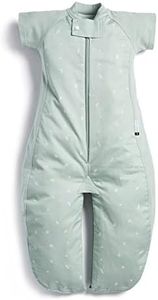
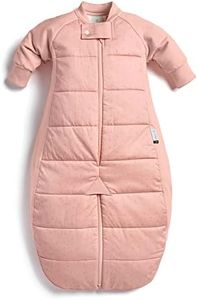
Buying Guide for the Best Sleep Sacks
Choosing the right sleep sack is important for your baby's comfort and safety during sleep. Sleep sacks are wearable blankets that provide warmth without the need for loose blankets, reducing the risk of suffocation in infants. The goal is to find a sleep sack that is appropriate for your baby’s age, size, and sleep environment. Understanding the main features will help you select a sleep sack that enhances your baby’s sleep quality and keeps them safe.Size and Age AppropriatenessThe size and age range for a sleep sack refers to the recommended weight and/or length of the baby it is designed for. This matters because a sleep sack that is too large can be a suffocation risk, while one that is too small can be uncomfortable and restrictive. Sizes are usually divided into segments like newborn, infant, or toddler. To pick the right one, you should check your baby’s weight and height and match it to the manufacturer’s recommendations. A properly fitting sleep sack ensures both safety and comfort, so always choose a size that your baby fits into now rather than one they will 'grow into.'
MaterialThe material of a sleep sack determines how warm, breathable, and comfortable it is. Common materials include cotton, muslin, fleece, and bamboo. Cotton and muslin are lightweight and breathable, suitable for warm climates or seasons, while fleece and thicker synthetics provide more warmth for cooler environments. To choose the right fabric, consider your home’s typical temperature and your baby’s tendencies to run warm or cold during sleep. Choosing an appropriate material helps regulate your baby’s body temperature for a restful sleep.
TOG RatingTOG stands for ‘Thermal Overall Grade’ and reflects how much warmth the sleep sack offers. This rating is important because it helps you select a sleep sack that suits your home’s sleeping environment—higher TOG means greater warmth. Most sleep sacks range from 0.5 TOG (very light, best for hot weather) to 2.5 or 3.5 TOG (for colder conditions). Decide on a TOG by considering the average temperature in your baby's room at night. If it’s warm, opt for a low TOG; if it’s chilly, choose a higher TOG to ensure your baby stays comfortable without overheating.
Closure TypeClosure type refers to how the sleep sack fastens—common options are zippers, snaps, or Velcro. The closure is important for both ease of use (especially during night changes) and securing the sack so it doesn’t come loose during sleep. Zippers are simple and efficient, but a two-way zipper is even more convenient for diaper changes. Snaps can offer a quieter and softer alternative, while Velcro is easy but can be noisy and may wear out over time. Think about what will be most convenient for your nightly routines and least likely to wake your baby when reopening the sack.
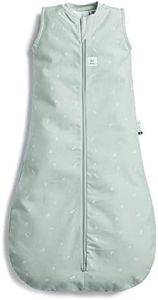
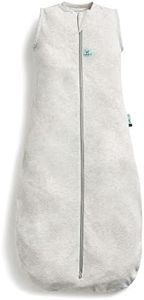
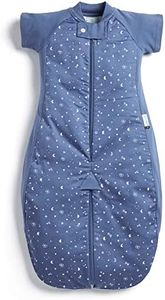
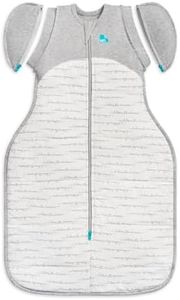
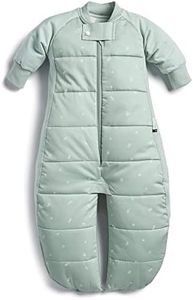
Sleeveless vs. Sleeved DesignSome sleep sacks are sleeveless while others have sleeves or detachable sleeves. Sleeveless designs promote better air circulation and reduce overheating, which is recommended for most infants. Sleeved options add warmth for colder settings but can be too warm in moderate climates. Your choice should depend on your baby’s room temperature and whether your baby tends to get hot or cold during sleep. In general, go sleeveless for mild rooms and consider sleeves only for extra chilly environments.
Ease of CleaningSleep sacks can get messy with spit-ups or diaper leaks, so how easy it is to clean them is a valuable consideration. Many are machine-washable, but some materials may require special care or longer drying times. Look for sleep sacks that are labeled as easy to wash and dry to ensure they fit smoothly within your regular laundry routine. This will save you time and hassle, especially if you need to clean sleep sacks regularly.