10 Best Small Cutting Boards
From leading brands and best sellers available on the web.By clicking on a link to a third party's website, log data is shared with that third party.
Related Products
Up to 13% off

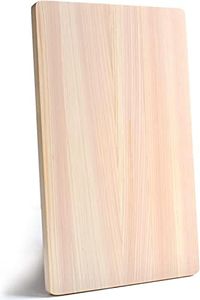
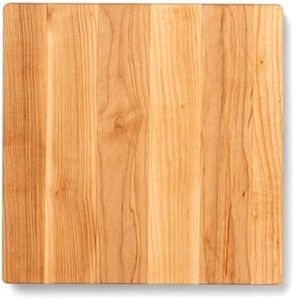
Buying Guide for the Best Small Cutting Boards
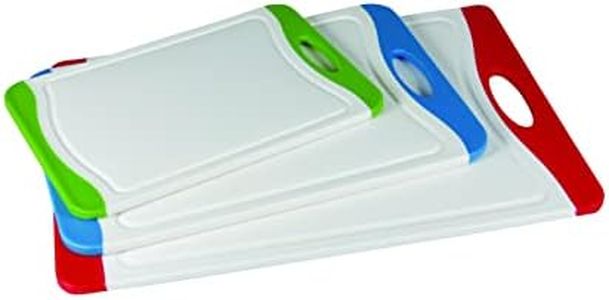
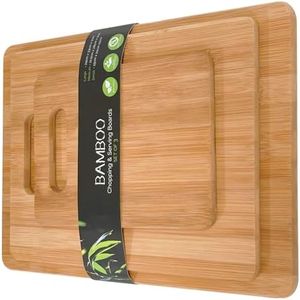
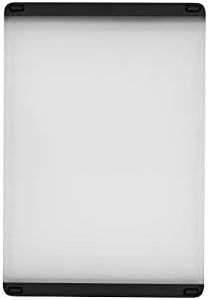
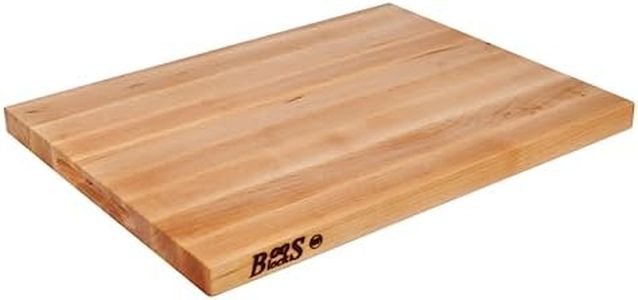
Choosing the right small cutting board can make your food preparation much more enjoyable and efficient, especially when you’re working with limited kitchen space or just prepping small amounts. Rather than grabbing the first board you see, it’s a good idea to look at the materials, size, thickness, maintenance needs, and safety features. Understand where and how you’ll use your board most—like slicing fruit, prepping garnishes, or for quick meal assembly—and let this guide your decision. With a bit of thought, you can get a cutting board that you'll reach for every day.MaterialMaterial is one of the most important features, as it affects durability, cleaning, and how kind the board is to your knives. Most small cutting boards are made of wood, plastic, or bamboo. Wooden boards are gentle on knife edges and often look elegant, but require more care and can’t usually be put in the dishwasher. Plastic boards are easy to clean, often dishwasher-safe, and lightweight, making them popular for fast, casual prep. Bamboo offers a blend of both, being a bit harder on knives than wood but more eco-friendly and often less costly. If you want something low-maintenance, plastic is usually best; if you prefer aesthetics and tradition, wood is appealing; for a green choice, bamboo stands out.
SizeFor small cutting boards, the actual dimensions are crucial because they determine how much food you can prepare at once and where you can store the board. You’ll see sizes measured by length and width, typically ranging from around 6x8 inches up to about 9x12 inches. Boards at the smaller end are perfect for prepping just one fruit, cheese, or a small herb bunch, while those at the higher end are more versatile for snacks or sandwiches. Consider where you’ll store the board, and what you usually prepare, to find the ideal size for your needs.
ThicknessThickness refers to how sturdy and stable a board is. Thin boards, around 1/4 inch, are lightweight and great for easy handling or taking along for picnics, but may flex or slip on the counter. Medium thickness boards, about 1/2 inch, find a balance between portability and stability. Thick boards, close to 1 inch, are very stable but heavier. Think about how often you'll move or store the board—go lighter for frequent moves, heavier for a sturdier, stay-in-place feel.
Non-Slip FeaturesNon-slip features make using a cutting board safer by keeping it steady on your countertop. Boards may include rubber feet, textured surfaces, or silicone edges. If you want extra security and dislike fussing with wet towels under your board, look for these anti-slip additions. People prepping juicy or slippery foods or working on slick surfaces will appreciate these the most.
Ease of CleaningA small cutting board can be used often, so how simple it is to clean matters. Plastic boards usually are dishwasher safe, making them a good fit for busy kitchens or those concerned about cross-contamination. Wood requires a quick wipe-down and sometimes oiling; it can’t go in the dishwasher but is less likely to stain if cared for. Choose according to how much time you want to spend on care—many prefer plastic or bamboo for quick clean-up.
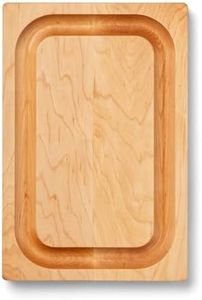
Juice GrooveA juice groove is a little channel around the edge of the board that catches juices from fruits, tomatoes, or meats, helping keep your counters mess-free. Not all small boards have this, but it’s handy for prepping anything juicy. If you're often slicing fruit or tomatoes, you might prefer a board with a groove; if you mainly use it for dry foods like bread or cheese, it’s less important.