We Use CookiesWe use cookies to enhance the security, performance,
functionality and for analytical and promotional activities. By continuing to browse this site you
are agreeing to our privacy policy
10 Best Small Dog Food
From leading brands and best sellers available on the web.By clicking on a link to a third party's website, log data is shared with that third party.
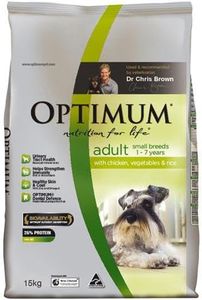
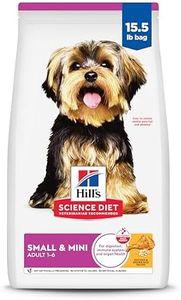
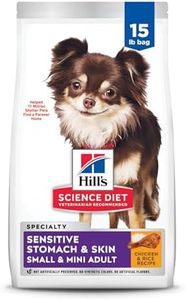
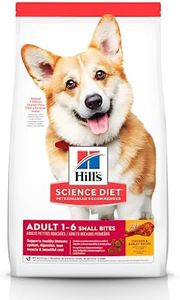
Related Products
Up to 30% off


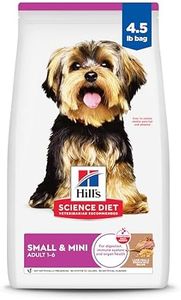
Buying Guide for the Best Small Dog Food
Choosing the right food for a small dog is essential for their health and happiness. Small dogs often have unique dietary needs due to their size, metabolism, and sometimes picky appetites. When selecting dog food, it's important to look beyond marketing claims and focus on key nutritional and physical attributes that match your pet's needs and lifestyle. Always transition to new food gradually and consult with your veterinarian, especially if your dog has special health concerns.Kibble SizeKibble size refers to the physical shape and diameter of each piece of dry dog food. For small dog breeds, smaller kibble is crucial because it fits more comfortably in their mouths and is easier to chew. Larger kibbles can make mealtime difficult or uncomfortable for little dogs, while very tiny kibbles might not be satisfying or could be swallowed too quickly. Typically, pet food labeled for small breeds offers smaller, bite-sized pieces. Choose kibble that your dog can easily pick up and chew—watch how they eat, and adjust if you notice difficulty.
Protein ContentProtein content shows how much protein is in the food, which is vital for muscle maintenance, energy, and general health. Higher protein foods can be good for active or younger dogs, while moderate protein may suit less active or older small dogs. Dog foods will list protein as a percentage on the label. Generally, a range from around 20% to 30% is typical for small dog kibble, with higher percentages supporting more energetic lifestyles. Pick a protein level that matches your dog's age, energy, and health status.
Caloric DensityCaloric density tells you how many calories are packed into each cup or gram of food. Small dogs have fast metabolisms and often require calorie-rich diets in smaller portions. Too few calories can lead to weight loss and low energy, while too many might encourage unwanted weight gain. Small-breed foods are often more calorie-dense to meet these needs. Read the label for calorie content (often shown as kcal per cup or per kilogram) and select a food that matches your dog's daily calorie requirements, which depend on their activity level, size, and age.
Ingredient QualityIngredient quality refers to the sources and types of proteins, grains, fillers, and added vitamins or minerals in the food. High-quality ingredients generally mean more real meat, recognizable vegetables, and fewer artificial additives or fillers like corn or by-products. Transparent ingredient lists starting with real meat or fish indicate better quality. For picky or sensitive small dogs, easily digestible and limited-ingredient diets might help with allergies or sensitive stomachs. Read labels for whole-food ingredients and avoid foods with too many unrecognizable names.
Life Stage FormulaLife stage formula means the food is designed specifically for puppies, adults, or senior dogs. Puppies need extra protein and calories for growth, adults need balanced nutrients for maintenance, and seniors may require joint support or tailored calorie content. Pick food based on your small dog's current age—feeding an adult food to a puppy or vice versa can lead to nutrient imbalances. Always ensure the food you choose matches your pet's stage of life.
Special Dietary NeedsSpecial dietary needs include requirements such as grain-free, hypoallergenic, or weight management formulas. Some small dogs have sensitivities to specific ingredients or need help with issues like dental care or weight control. If your dog has skin allergies, digestive problems, or other medical conditions, you may need a specialized formula recommended by your vet. Matching your dog's unique needs to an appropriate formula ensures their ongoing comfort and health.