10 Best Small Espresso Machines
From leading brands and best sellers available on the web.By clicking on a link to a third party's website, log data is shared with that third party.


Related Products
Up to 41% off
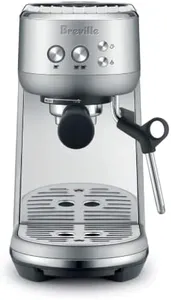
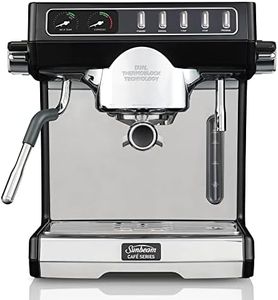

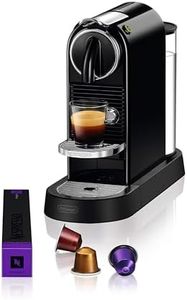
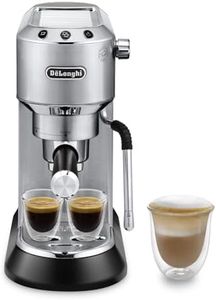
Recommended lists

Top rated
Espresso Machines
Buying Guide for the Best Small Espresso Machines
Choosing a small espresso machine can be a rewarding experience, especially if you love the idea of enjoying rich and flavorful espresso at home without taking up much space. When considering which model is right for you, it's important to focus not only on the machine's size, but also on the features that impact performance, ease of use, and maintenance. Understanding the key specifications will help you match a machine to your lifestyle, habits, and coffee preferences.Size and FootprintThe size of the espresso machine refers to its physical dimensions and how much counter space it will occupy. This is crucial for those with small kitchens or limited storage. These machines can range from ultra-compact single-serve units to slightly larger, yet still slim, models that might accommodate multiple cups. Think about where you'll place the machine and measure your available space. If you only have a tiny spot, look for ultra-compact models. If you have a bit more room, a machine that is small but has added features might be suitable.
Water Tank CapacityWater tank capacity tells you how much water the machine holds at a time, which directly affects how many espresso shots you can make before refilling. Small machines often have smaller tanks, from around 0.5 liters to just over 1 liter. If you plan to make several drinks in a row or have more than one coffee drinker at home, a larger capacity is more convenient. For solo drinkers or those who don’t mind refilling, a smaller tank keeps the machine more compact.
Pressure SystemEspresso machines use pressure, measured in bars, to force water through coffee grounds and extract espresso. Standard espresso requires around 9 bars of pressure, but machines may advertise higher numbers. In small machines, most have either a manual pump (lower pressure, more skill needed) or an automatic pump (consistent pressure). For most users, automatic pump-driven machines with at least 9 bars are best, delivering authentic espresso with little effort. If you prefer a hands-on experience and are willing to learn, manual options are available but less common in small units.
Steam Wand or Milk Frothing CapabilitySome small espresso machines come with a steam wand or frothing attachment, letting you make lattes and cappuccinos. The inclusion and quality of this feature vary: some machines have no wand, some have basic frothers, and others offer more powerful steam wands. If you love milk-based drinks, definitely choose a machine with a frothing option. If you only drink espresso or americanos, you can skip this feature.
Ease of Cleaning and MaintenanceCleaning and maintenance influence how enjoyable the machine is to use over time. Small machines often have fewer parts, making cleaning easier, but it’s worth checking if parts like the drip tray, water tank, and brew head are easy to access and remove. Machines with removable parts or simple cleaning programs save you time and hassle. If convenience is key, prioritize models that are easy to take apart and clean.
Pod Compatibility vs. Ground Coffee UseSome compact espresso machines use pre-packaged pods or capsules, while others use loose ground coffee. Pod systems are very easy and mess-free, ideal if you want speed and minimal cleanup. Ground coffee options give you more control over the strength and variety of your espresso but require a bit more effort and cleanup. Decide if you value customization or convenience more when picking between these systems.
Heat-Up TimeHeat-up time is how quickly the machine reaches the right temperature for brewing. Small machines are typically faster, but times can range from less than 30 seconds to over a minute. If you want a quick morning espresso, a fast heat-up time is essential. If you don’t mind waiting, this may be less important.