10 Best Small Fire Pits
From leading brands and best sellers available on the web.By clicking on a link to a third party's website, log data is shared with that third party.



Related Products
Up to 6% off




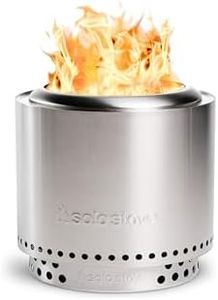
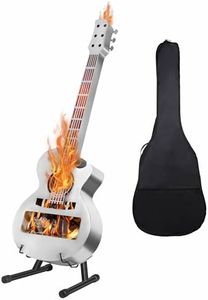
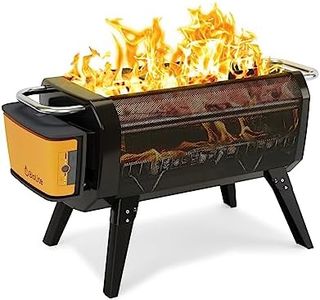
Buying Guide for the Best Small Fire Pits
Choosing a small fire pit can make your outdoor space more inviting and functional. It's great for gathering with friends and family, warming up on cool evenings, or even roasting marshmallows. When picking one, it's important to think about where you'll use it, how portable you want it to be, and how much space you have. By understanding the key features, you can select a fire pit that will suit your lifestyle and give you the best experience.Fuel TypeThe fuel type determines how your fire pit is powered, and it is a crucial factor to consider because it affects convenience, maintenance, and the ambiance offered. The most common types are wood-burning, propane, natural gas, and gel. Wood-burning gives a classic campfire feel with crackling sound and warmth but requires regular cleaning and involves smoke. Propane and natural gas provide a cleaner, smokeless flame and are easier to light, but they require gas canisters or hook-ups. Gel is a less common, easy-to-use, clean-burning option often for ambiance over heat. Choose wood-burning if you love the traditional experience and don't mind a bit more effort; opt for propane or gas for hassle-free, clean burning, especially in smaller or shared spaces.
Size and PortabilityThe size of the fire pit determines how much space it will occupy and how much heat it can produce, which is important for both safety and comfort. Small fire pits are typically lightweight and easy to move, making them suitable for small patios, balconies, or even for taking on camping trips. Consider a compact model if you have limited space or want to move it around easily, and look for features like carrying handles or foldable legs. If you'll keep it in one place, slightly heavier or more decorative models may be appealing. Make your choice based on your available space and whether you'll want to use your fire pit in multiple locations.
Material and DurabilityFire pits are made from materials such as steel, cast iron, copper, or stone, each with its own benefits regarding heat retention, weight, and durability. Steel is lightweight and often coated for rust resistance but may warp over time. Cast iron is heavy and retains heat very well but can rust if left exposed. Copper is attractive and resists corrosion but can be pricey. Stone fire pits are sturdy but often much less portable. Choose a material based on how often you'll move the fire pit and your local weather conditions—opt for rust-resistant and lightweight for portability or heavy-duty materials for a more permanent setup.
Safety FeaturesSafety features protect people, pets, and property from accidental burns or fire spread, which is particularly important in compact spaces. Look for fire pits with stable bases, spark screens, heat shields, and protective rings. Spark screens help contain embers and are essential in family or crowded settings. Sturdy construction and insulated bases prevent tipping and reduce heat transfer to the ground. Pick features that align with your environment—opt for more safety measures if you have children, pets, or limited space.
Ease of Cleaning and MaintenanceA fire pit that's easy to clean saves you time and effort, making routine use more enjoyable. Removable ash pans, accessible grates, and rust-resistant finishes all make maintenance simpler. Wood-burning models especially benefit from features that allow easy disposal of ash and debris. If you want a low-maintenance option, consider a gas-powered pit, which just requires occasional wipe-downs. Balance your desire for ambiance with your willingness to perform regular upkeep when choosing a cleaning system.