10 Best Small Greenhouses
From leading brands and best sellers available on the web.By clicking on a link to a third party's website, log data is shared with that third party.

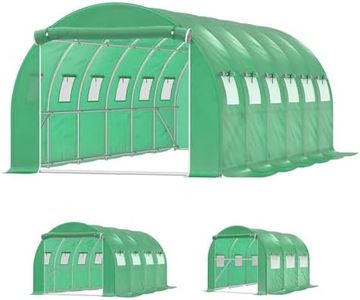
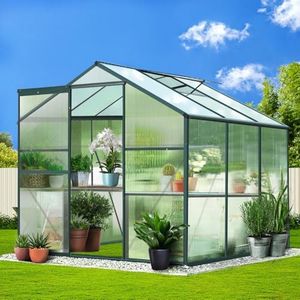
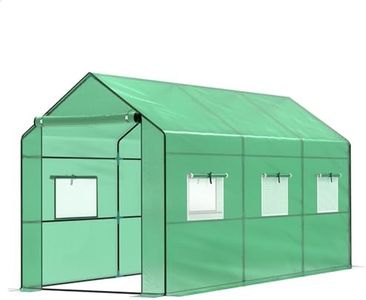
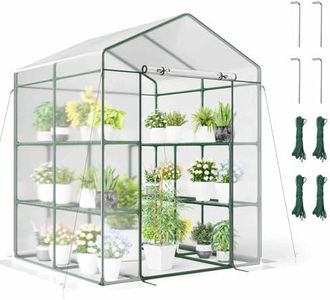
Related Products



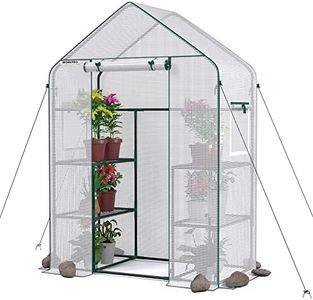

Buying Guide for the Best Small Greenhouses
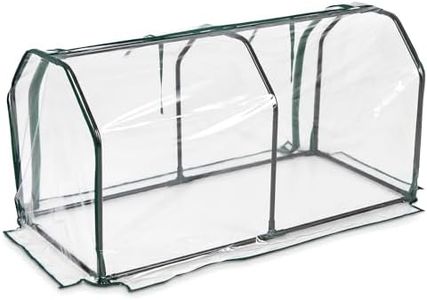
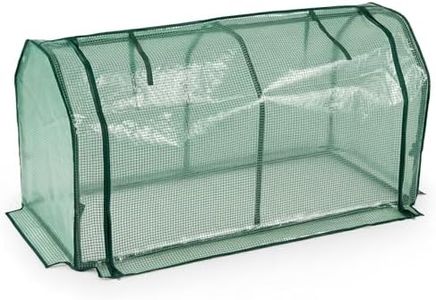
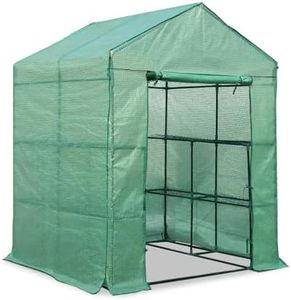
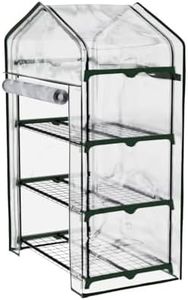
Choosing a small greenhouse is an exciting step towards growing your own plants, flowers, or vegetables in a protected environment. It's important to think about where you'll put the greenhouse, what you'll be growing, and how much time you're willing to spend maintaining it. Understanding the key features can help you find the right greenhouse that fits your space and gardening style, making your growing experience both successful and enjoyable.Size and DimensionsThe size and dimensions of a small greenhouse determine not just how many plants you can grow, but also where you can place it in your yard or patio. These greenhouses typically range from compact, countertop units to larger walk-in structures. If you have limited space or just want to start with a few plants, a smaller unit may be ideal. For those wanting to cultivate a wider variety, a walk-in model will provide extra room. Make sure to measure your intended location before choosing so you pick a greenhouse that fits comfortably without being cramped.
Frame MaterialThe frame is the skeleton of your greenhouse and affects its durability, weight, and resistance to weather. Common frame materials are aluminum, steel, and plastic. Aluminum frames are lightweight and rust-resistant, making them easy to move and maintain. Steel frames are stronger and handle wind better but can rust if not treated properly. Plastic frames are affordable and simple but sometimes less sturdy. Choose a frame material based on your climate, the level of exposure to wind or rain, and whether you'd like a portable structure.
Panel/Cover MaterialThis refers to the material covering the frame, which is crucial as it impacts light transmission, insulation, and durability. Typical covers include polycarbonate, glass, and polyethylene film. Polycarbonate panels are lightweight, strong, and offer good insulation. Glass lets in lots of natural light and looks attractive but is heavier and more fragile. Polyethylene film is budget-friendly and easy to install but may need replacing over time. Your choice should depend on whether you prioritize longevity, light for your plants, or a structure that's easy to manage.
Ventilation OptionsVentilation is important because it regulates temperature and humidity, preventing your greenhouse from overheating and protecting your plants from problems like mold. Some greenhouses have roof vents, side windows, or doors that can be opened for airflow. More advanced models might have automatic vents that adjust based on temperature. If you live in an area with hot summers or plan to grow delicate plants, good ventilation is essential to keep your plants healthy.
Ease of AssemblyHow easy a greenhouse is to set up will impact your overall experience. Some greenhouses come as simple kits that can be put together with basic tools and one person, while others are more complex and may require assistance. Look at whether the product includes clear instructions, pre-drilled holes, or snap-together parts. If you prefer a quick, hassle-free setup, opt for a model marketed as easy to assemble.
AccessibilityAccessibility means how easy it is to get to your plants and move around inside the greenhouse. Features like wide doors, a walk-in design, or multiple shelves matter if you want to maximize use of the space or need room for maneuvering tools and watering cans. Consider your gardening habits and think about how much space you'll need to feel comfortable while tending to your plants.
Weather ResistanceWeather resistance reflects how well the greenhouse can withstand wind, rain, snow, or sun exposure. This involves both the frame and cover material, plus details like how securely the structure can be anchored. If you live in an area with strong winds or harsh weather, look for a greenhouse that's rated as weather-resistant and includes features like sturdy anchoring options. Matching your greenhouse to your local weather will extend its lifespan and protect your plants year-round.