7 Best Small Size Inverter Generators
From leading brands and best sellers available on the web.By clicking on a link to a third party's website, log data is shared with that third party.
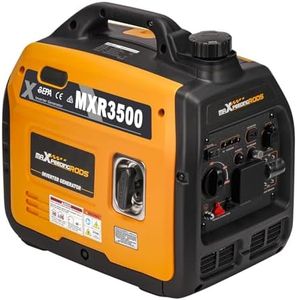
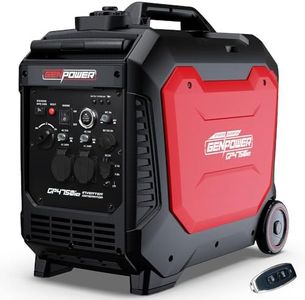
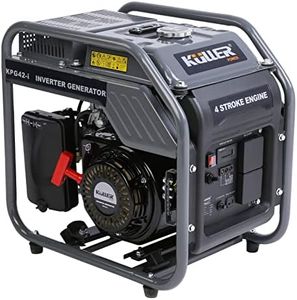
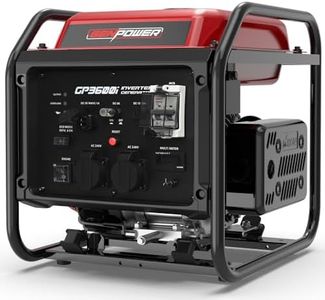

Buying Guide for the Best Small Size Inverter Generators
Choosing the right small-size inverter generator can make a big difference when it comes to having reliable and quiet power for camping, home backup, or outdoor events. It's important to consider what you'll be powering, how portable you need it to be, and what environmental conditions you'll mostly use it in. Understanding the main features and specs will help you make a smart decision that fits your needs and lifestyle.Wattage Output (Rated/Surge Power)Wattage output tells you how much power the generator can produce. There are usually two values: rated (continuous) power, which is what the unit can supply continuously, and surge (peak) power, which is the short burst it can provide for starting up devices like refrigerators or power tools. Smaller generators might range from 1000 to 2500 watts. If you only want to charge small electronics or run a few lights, a lower wattage works fine. If you need to power a fridge, a microwave, or something with a motor, go for a higher wattage. Think about all the devices you plan to power at once, add up their wattage, and choose a generator that matches or slightly exceeds that number.
Portability (Weight and Size)Portability is how easy it is to move and transport the generator. Small inverter generators are valued for being lighter and more compact than traditional ones. They can range from ultra-light models around 20 pounds, which are easy to carry with one hand, up to 60 pounds or more for more powerful units. Consider your strength and how often you'll need to lift or transport the generator. If you're taking it camping or tailgating, lighter and more compact is usually better. For occasional home backup, size may not be as important.
Noise LevelNoise level is measured in decibels (dB) and tells you how loud the generator is while running. Inverter generators are designed to be quieter than traditional models, often running at conversation level or quieter. Typical noise levels can range from 48 dB (similar to a quiet library) up to around 60 dB (normal conversation). If you'll use the generator at campsites, residential areas, or events where noise matters, look for lower dB ratings. For remote-use where noise isn't a concern, this is less important.
Runtime and Fuel EfficiencyRuntime tells you how long the generator can run on a full tank at a specific load, and fuel efficiency means how effectively it uses fuel. Some models might run several hours at 25% load but less when you're drawing more power. Features like Eco or Economy Mode can extend runtime by adjusting the engine speed to match demand. Choose a generator that offers enough runtime to cover your intended use—whether it’s overnight camping or a few hours at an event—without frequent refueling.
Output Types and Number of OutletsThis spec tells you how many devices you can plug in and what types of outlets are available. Common output options are standard 120V AC outlets, USB ports for charging devices, and sometimes 12V DC outputs for charging batteries. Consider what types of appliances or electronics you'll be powering. If you need to plug in multiple things at once, look for a generator with enough outlets and the right mix for your gear.
Parallel CapabilityParallel capability means you can connect two compatible inverter generators together with a special cable to double your power output. This is helpful if your needs might grow or vary—like starting small, but needing more power later. If you foresee ever needing more power, choose a generator model that offers this option so you can add a second unit instead of buying a much larger and heavier generator.
Start MechanismGenerators can be started by either a traditional pull recoil cord or a more convenient electric push-button or remote start. Pull start is simple and reliable but may require more effort, especially in cold weather. Electric or remote start offers easier operation, which is useful if you have physical limitations or want extra convenience. Choose based on your comfort with either method and where you'll be using the generator most.