We Use CookiesWe use cookies to enhance the security, performance,
functionality and for analytical and promotional activities. By continuing to browse this site you
are agreeing to our privacy policy
10 Best Small Solar Generators
From leading brands and best sellers available on the web.By clicking on a link to a third party's website, log data is shared with that third party.
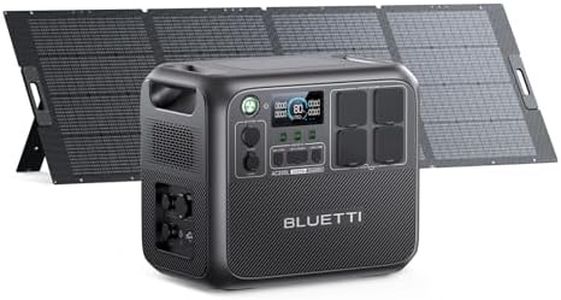
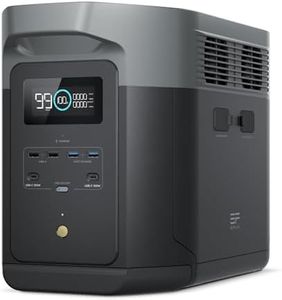
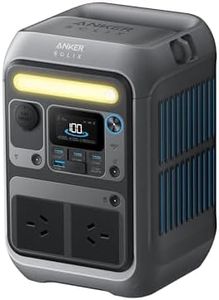
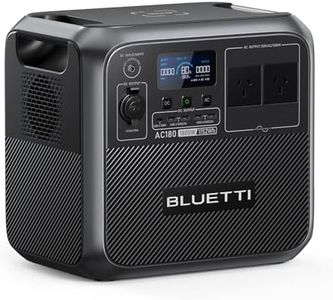
Related Products
Up to 22% off


Recommended lists


Buying Guide for the Best Small Solar Generators
Choosing a small solar generator means finding a portable and reliable source of power for your outdoor adventures, emergency situations, or simple backup needs. The best approach is to think about where and how you'll use it—are you camping, powering devices during a blackout, or keeping tools running at a job site? Being clear about your intended use will help you focus on the features that matter most, and avoid paying for extras you don't need. Understanding key specifications helps match your power needs with the right generator so you get the optimal balance of portability and performance.Battery Capacity (Watt-hours, Wh)Battery capacity tells you how much energy the generator can store and, ultimately, how long it can power your devices. A higher capacity means a longer runtime, but also a heavier unit. Capacity typically ranges from around 150Wh for lightweight models to over 1000Wh for larger portables. If you only need to charge phones and small lights, a low-capacity generator is fine. For powering small appliances, CPAP machines, or several devices at once, a medium to high-capacity generator is a better fit. Think about what you'll need to run and for how long—add up the wattage of your devices and estimate usage time to guide your choice.
Power Output (Wattage)Power output refers to the amount of power the generator can deliver at once, usually measured in watts. This determines what devices you can use simultaneously. Small units may provide under 150W, suitable for phones, cameras, and small fans. Medium generators (150-500W) can handle laptops and some small appliances. Larger portables (500W and above) support bigger items like mini-fridges or TVs but weigh more. To choose, check the power requirement of your devices—the generator should exceed the peak wattage you plan to use at one time.
Input/Charging OptionsThis spec describes how you recharge the generator’s battery. The main methods include solar panels, wall outlets, and car sockets. Some generators support faster or simultaneous charging from multiple sources. Solar capacity matters if you’re off-grid and want to recharge only with sunlight: higher input wattage means faster solar charging but requires powerful solar panels. If you plan to recharge overnight at home, almost any input will do. Select based on how and where you’ll recharge—outdoor users should prioritize flexible and efficient solar input.
Ports and OutletsThese are the physical connections for plugging in your devices—typically AC outlets, USB ports, and DC carports. The mix and number of ports control what you can power at once. Fewer, basic ports are fine for minimalist needs (phones, LED lights), but if you want to plug in laptops, small appliances, or several gadgets, look for more diverse and abundant ports. Take stock of what you’ll need to connect and make sure the generator has enough outlets in the right formats for your gear.
Weight and PortabilityWeight and portability reflect how easy it is to carry the generator around. Smaller units usually weigh less than 5 kg and are easy to pack or hike with. Medium models might be 5-10 kg and often have handles, making them manageable for car or RV trips. Larger units can exceed 10 kg and are best for situations where you don’t have to move them much. Match the weight to your use: if you’ll carry it far, lighter is better; for car-based or stationary use, you can go heavier for more power.
Durability and Safety FeaturesDurability covers how well the generator stands up to real-world use—look for robust casing, weather-resistance, and solid build quality, especially if you’ll use it outdoors. Safety features can include overcharge, short-circuit, and temperature protection to keep both the generator and your devices safe. If you’ll use it regularly outside, or in rough conditions, prioritize models that specify weatherproofing or impact resistance, and always ensure it has basic safety features.