10 Best Smart Bike Trainers
From leading brands and best sellers available on the web.By clicking on a link to a third party's website, log data is shared with that third party.
Related Products

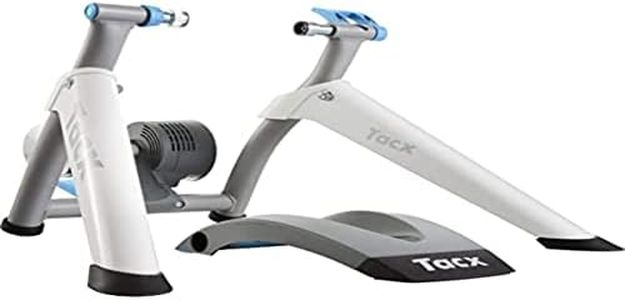


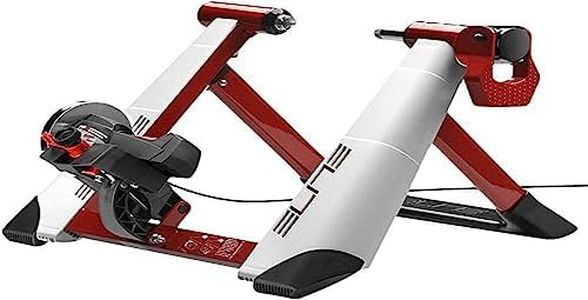
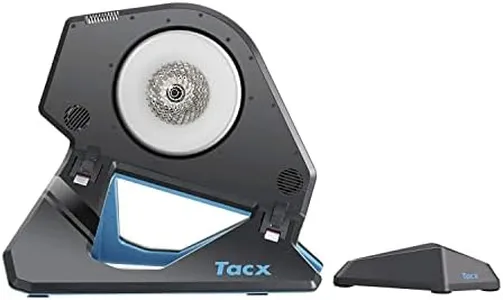
Buying Guide for the Best Smart Bike Trainers
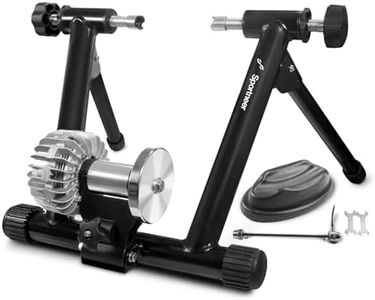
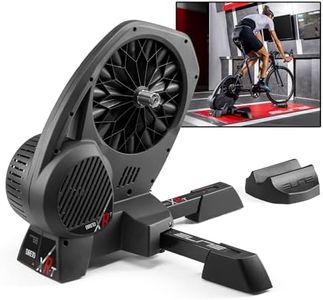
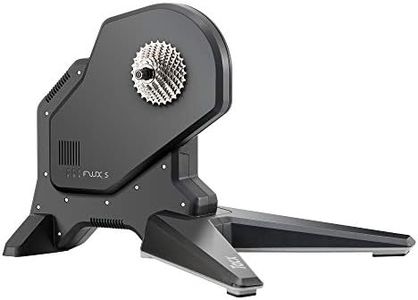
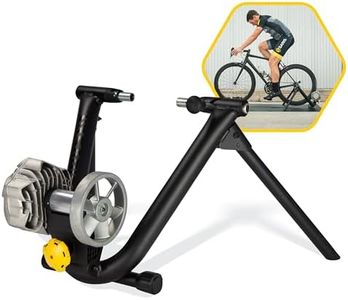
Choosing a smart bike trainer is a great way to enhance your indoor cycling experience. These trainers connect to apps and devices for tracking, virtual rides, and interactive workouts. When picking a smart trainer, start by thinking about your cycling goals, space available, and how much you value realism in the ride feel. It’s also important to consider the compatibility with your bike, as well as with training apps you want to use. Focusing on key features helps you find the best fit for your needs.Resistance TypeThe resistance type determines how the trainer simulates the effort you feel as you ride. There are two main kinds: wheel-on and direct-drive. Wheel-on trainers press against your bike’s rear wheel, while direct-drive trainers require you to remove the rear wheel and attach your bike directly. Direct-drive usually feels smoother and more realistic, but is also heavier and takes up more space. If you’re looking for simplicity and quick setup, wheel-on is easier to use. For serious training or realistic road feel, direct-drive might be the better option.
Maximum ResistanceMaximum resistance shows how hard the trainer can make your workout, measured in watts. Lower resistance is usually enough for casual workouts, while higher resistance is useful if you’re doing intense interval training or sprints. If you’re just looking for general fitness and long rides, a moderate maximum resistance will do. If you’re a competitive cyclist or enjoy very tough workouts, look for trainers with a high maximum resistance.
AccuracyAccuracy refers to how closely the trainer’s power readings (watts) match the real effort you’re putting in. Higher accuracy is important if you’re training with specific targets or want reliable tracking of your progress. Entry-level trainers may have accuracy around ±5%, while higher-end options can be accurate to within ±1%. Pick the accuracy level based on how precise you want your training data to be — casual riders can be flexible, but focused athletes should aim for better accuracy.
ConnectivityConnectivity tells you what devices and apps you can use with your trainer. Look for trainers that support ANT+ and Bluetooth, as these let you connect to most phones, tablets, computers, and bike computers. If you want to use virtual cycling platforms or multi-device setups, strong connectivity makes things easier. Consider what devices and apps you already have or plan to use, and make sure your trainer will connect smoothly.
Noise LevelNoise level determines how loud the trainer is when in use. This matters if you share a living space, have thin walls, or plan to ride early or late. Direct-drive trainers tend to be quieter than wheel-on models. If a silent workout is important for you, check user reviews or manufacturer info to find a low-noise model.
Flywheel WeightFlywheel weight affects how smooth and realistic the ride feels, especially when accelerating or coasting. Heavier flywheels usually make the ride feel more like cycling outdoors. Lighter flywheels are fine for basic workouts, but if ride feel and realism matter to you, look for a trainer with a heavier flywheel.
CompatibilityBike compatibility means your trainer must match your bike’s axle, cassette, and tire size. Always check what types of bikes a trainer supports — not all work with thru-axles or certain cassette types. Before buying, confirm the trainer supports your bike’s specifications to avoid setup problems.