We Use CookiesWe use cookies to enhance the security, performance,
functionality and for analytical and promotional activities. By continuing to browse this site you
are agreeing to our privacy policy
10 Best Soft Golf Balls
From leading brands and best sellers available on the web.By clicking on a link to a third party's website, log data is shared with that third party.
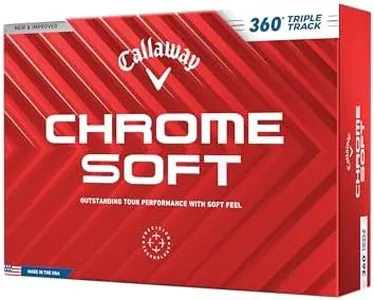
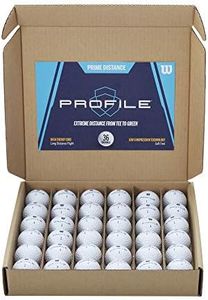
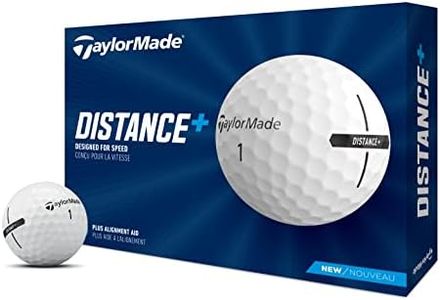
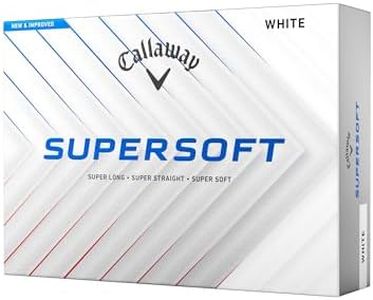
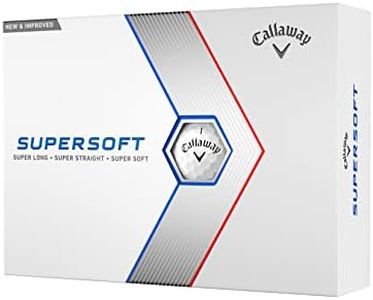
Related Products
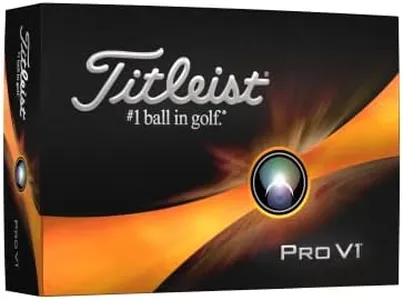
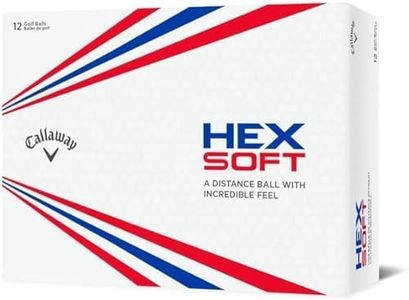
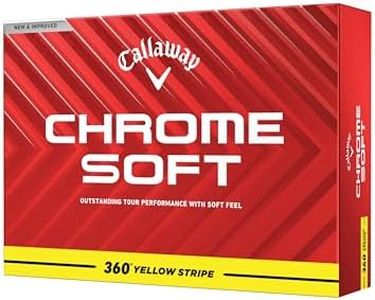
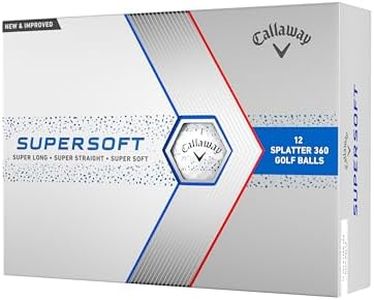
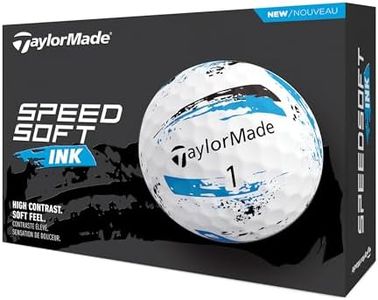
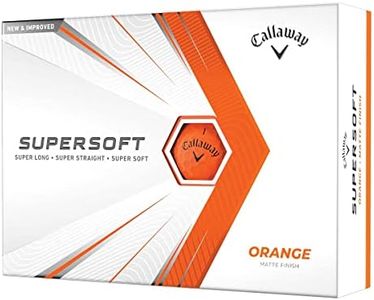

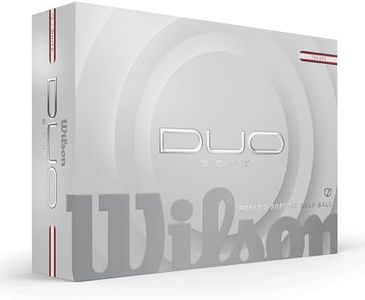


Buying Guide for the Best Soft Golf Balls
When choosing soft golf balls, it's important to focus on how the ball feels when you hit it, as well as how it performs for your specific style of play. Soft golf balls are designed to give you better control and more comfortable feedback, which can help if you prefer a gentler, more controlled game. Consider the different features and match them to what you're looking to achieve in your golf game—whether that’s more control, better spin, or a softer feel from the tee to the green.CompressionCompression is a measure of how much the golf ball deforms when struck, and it's especially important in soft golf balls. Soft golf balls have lower compression ratings, which means they compress more easily on impact, resulting in a softer feel and potentially more distance for players with slower swing speeds. Compression values typically range from low (under 70) for the softest balls, to mid (70–90), and high (above 90). If you have a slower swing speed or want maximum softness and feel, go for low compression; if you swing faster or want a bit firmer feel, a mid or higher compression might suit you better.
Cover MaterialThe cover material of a golf ball impacts both feel and durability, and it's especially relevant for soft balls. You'll mostly encounter either ionomer (or surlyn) and urethane covers. Ionomer covers are more durable and offer a slightly firmer feel with less spin, while urethane covers are softer and provide more spin and control, especially for short-game shots. If you want the softest feel and maximum spin around the green, look for urethane covers; for a blend of softness and durability, ionomer is a good choice.
Spin RateSpin rate tells you how much the ball spins in the air, greatly influencing control and stopping power on the greens. Soft golf balls are designed to make it easier to generate spin, but there are differences in how much spin they create. Low-spin balls tend to go straighter and work for golfers seeking distance, while higher-spin varieties help stop the ball quickly on the green and offer more shot-shaping options. Choose a lower-spin ball if you struggle with hooks or slices, or lean towards higher-spin options if you prioritize green-side control.
FeelFeel refers to the sensation you get when you strike the golf ball and is one of the main reasons for choosing a soft golf ball. A softer feel is preferred by golfers who like gentle feedback and more subtle control during putting and short-game shots. Some soft balls offer an 'ultra-soft' feel, while others are just moderately soft. Decide whether a super-soft sensation improves your confidence and control, especially with your putter and wedges, or if you want a slightly firmer touch for more feedback.
DistanceWhile softness is key, distance performance is still important. Soft golf balls generally trade a bit of distance off the tee for increased control and feel. Some designs aim to balance softness with decent distance, while others focus on maximizing short-game benefits. Think about which is more critical for your game—if you have a slower swing speed, softer balls can actually help you gain distance. If you already hit long but want more feel, choose the softest option to fit your needs.