7 Best Softball Cleats For Pitchers
From leading brands and best sellers available on the web.By clicking on a link to a third party's website, log data is shared with that third party.
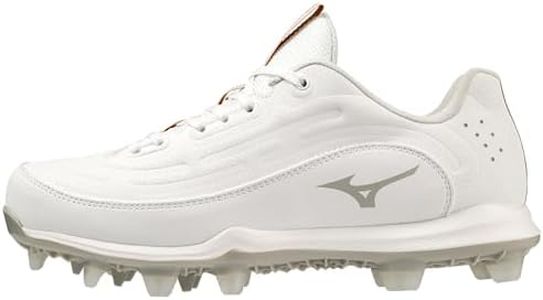
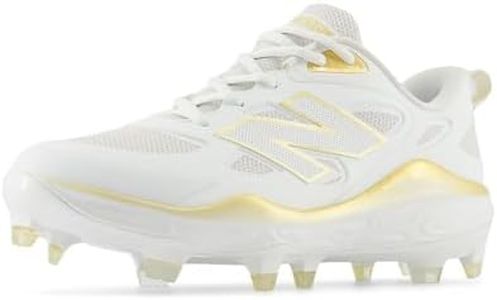
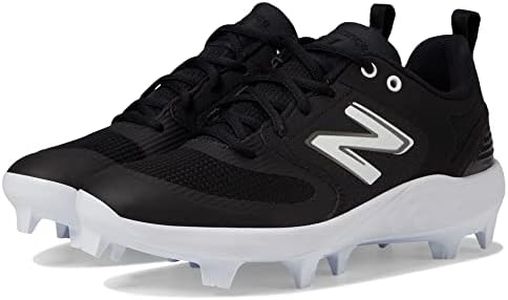
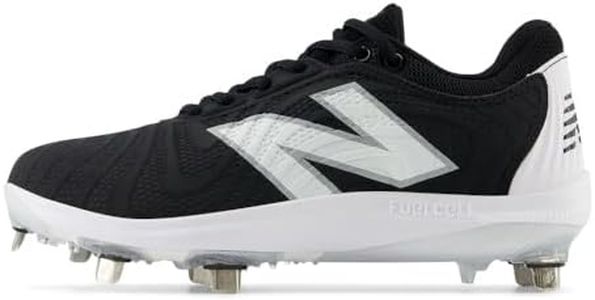

Recommended lists


Buying Guide for the Best Softball Cleats For Pitchers
Choosing the right softball cleats for pitchers is important because they provide the stability, comfort, and support needed during the unique movements of pitching. As a pitcher, you need cleats that will help you grip the dirt, protect your ankles, and remain comfortable throughout the game. To pick the best cleats for you, pay close attention to their fit, traction, material, and other features that impact performance and safety on the field.Cleat Type (Metal vs. Molded)Cleat type refers to the material and design of the spikes on the bottom of the shoe. Metal cleats have thin, sharp spikes made from metal, offering superior grip on dirt and grass fields, which is especially useful for pitchers who need stability during the push-off. Molded cleats, made from rubber or plastic, provide less grip but are often more versatile and comfortable, making them suitable for youth leagues or artificial turf. To decide, consider your league's rules (some prohibit metal cleats), the surfaces you play on, and your need for traction—pitchers often benefit from the extra grip of metal, but molded can be safer and more versatile for younger or recreational players.
Ankle Height (Low, Mid, High)Ankle height refers to how much of your ankle the cleat covers and supports. Low-cut cleats allow for maximum mobility and speed by leaving the ankle exposed but provide less support. Mid-cut options offer a balance, giving extra support while still allowing some flexibility, while high-cut cleats wrap above the ankle for maximum support, which can help prevent ankle rolls during pitching. Pitchers who want explosive movement and are not prone to ankle injuries may prefer low or mid-cut, but those with previous ankle issues or who value extra stability should consider mid- or high-cut designs.
Toe ReinforcementToe reinforcement means the front part of the cleat is specially strengthened, often with an extra layer of material. Pitchers drag their toe during delivery, so the front of the shoe takes a lot of wear. Reinforced toes prevent the cleat from wearing out quickly, extending its lifespan and keeping the foot better protected. If you pitch regularly, especially with an aggressive toe drag, look for cleats with a built-in toe guard or reinforced area.
Fit and ComfortFit and comfort refer to how well the cleat matches the shape of your foot and how it feels during play. Cleats that are too loose can lead to blisters and lack stability, while those that are too tight can cause pain and limit movement. Proper support, interior padding, and breathability also affect comfort. Always try on cleats (with your softball socks) and walk or jog in them to test how they feel; your pitching motion should feel natural, and your feet should feel secure but not constricted.
Traction PatternTraction pattern is about the layout and shape of the spikes or studs on the bottom of the shoe. Some patterns are designed to grip better in one direction—useful for pitchers pushing off the rubber and landing smoothly. A well-designed traction pattern helps you maintain balance and power during your pitching motion. For pitchers, look for cleats with a stable heel and forefoot area to maximize push-off and prevent slipping on the mound.
WeightWeight refers to how heavy or light the cleat feels. Lighter cleats make it easier to move quickly and feel less tiring during long games, but ultra-lightweight styles may provide less protection and support. Pitchers often benefit from a moderate weight: enough support and durability without feeling sluggish. Consider your own balance of comfort, speed, and protection when choosing.
Breathability and MaterialBreathability means how much air can flow through the cleat to keep your feet cool and dry. Materials like mesh or synthetic uppers improve breathability, while leather offers durability but may be warmer. Sweaty or overheated feet can get uncomfortable or blistered, which can distract you during the game. If you play in warmer climates or sweat a lot, prioritize breathable materials while ensuring the shoe remains sturdy enough for pitching.