10 Best Softest Bed Sheets
From leading brands and best sellers available on the web.By clicking on a link to a third party's website, log data is shared with that third party.

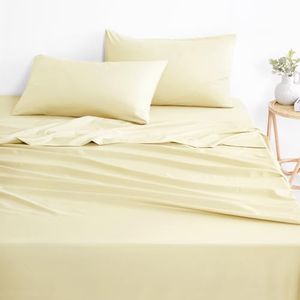
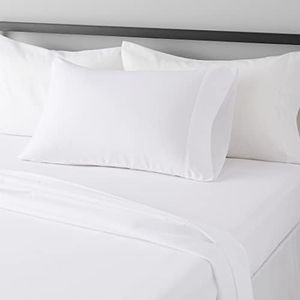
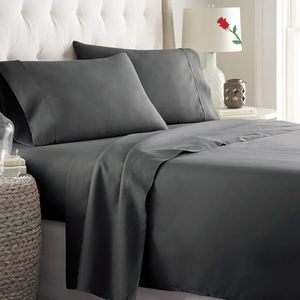
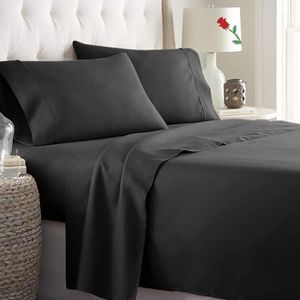
Related Products
Up to 20% off
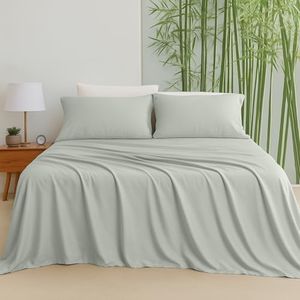
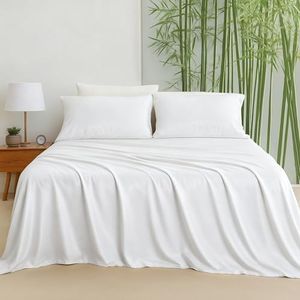
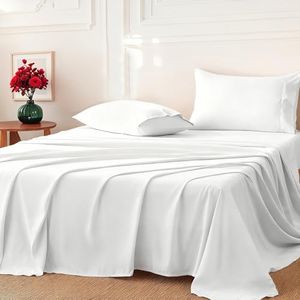
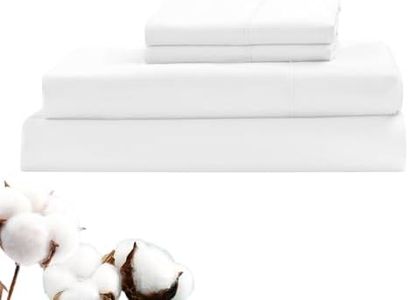


Buying Guide for the Best Softest Bed Sheets
Choosing the softest bed sheets can make a big difference to your sleep experience. Softness isn’t just about immediate touch, but also about how sheets wear and feel over time. When shopping for the softest sheets, pay close attention to the fabric, weave, thread count, and finishing process. It’s important to reflect on your personal preferences: some people like a silky finish, others enjoy a warmer and cozier feel. Knowing what makes sheets soft—and how that matches your sleeping habits—can help you find the best fit.Material/FabricMaterial refers to what the sheets are made from, and it is the most significant factor affecting softness. Common options include cotton, bamboo, linen, silk, and microfiber. Cotton (especially long-staple varieties like Egyptian or Pima) is known for its combination of softness and durability, while bamboo can feel silky and cool. Silk provides an ultra-smooth finish but is delicate, and microfiber gives a velvety touch though it may feel less natural. The right material for you depends on whether you prefer classic softness (cotton), a smooth, cool touch (bamboo or silk), or a more affordable but soft feel (microfiber). Consider any skin sensitivities you may have, and the climate you’ll be sleeping in.
Thread CountThread count is the number of threads woven into one square inch of fabric. Many believe higher thread count means softer sheets, but that’s true only up to a point. Generally, thread counts between 300 and 500 offer a good balance of softness and breathability for cotton sheets. Extremely high thread counts may sound impressive, but can sometimes result from marketing tricks and can actually feel less soft due to denser weaves. For a soft feel, aim for a mid-range thread count—especially if you’re choosing natural fibers like cotton.
Weave TypeWeave refers to how the threads are woven together, which affects the feel of the sheets. Common weaves include percale, sateen, and jersey. Percale has a crisp, cool feel and is lightweight—great if you like sheets that feel fresh against your skin. Sateen is smoother and silkier with a subtle sheen, making it feel softer to many people. Jersey is stretchy and soft, resembling a favorite T-shirt. Think about whether you prefer crisp or silky softness; percale suits those who like cool, airy sheets, sateen is best for those craving extra smoothness, and jersey is a cozy choice for those who want warmth.
Finishing/TreatmentFinishing or treatment refers to the processes sheets undergo to enhance softness, color, or wrinkle resistance. Some sheets are pre-washed, mercerized, or treated with softeners. A pre-washed or garment-washed sheet often has a broken-in, soft feel right out of the package, while untreated sheets may require a few washes to reach peak softness. If instant softness is a priority, look for sheets that mention these treatments. However, some chemical treatments for softness can wear off with time, so also consider the durability of softness after several washes.
Staple Length (for Cotton)Staple length refers to the length of the fibers used in the cotton; longer staples produce smoother, softer yarns. Egyptian and Pima cottons are examples of long-staple cottons that feel softer and resist pilling better than short-staple cottons. If you want sheets that stay soft and look new after repeated use, consider those made from long-staple cotton.