We Use CookiesWe use cookies to enhance the security, performance,
functionality and for analytical and promotional activities. By continuing to browse this site you
are agreeing to our privacy policy
10 Best Soil For Raised Beds
From leading brands and best sellers available on the web.By clicking on a link to a third party's website, log data is shared with that third party.
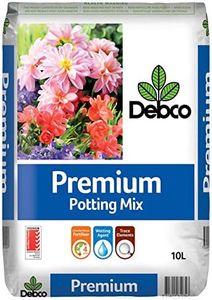
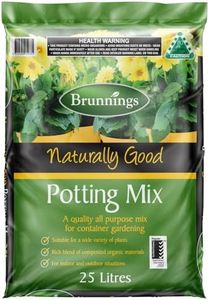
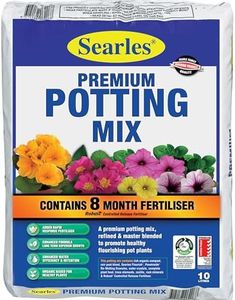
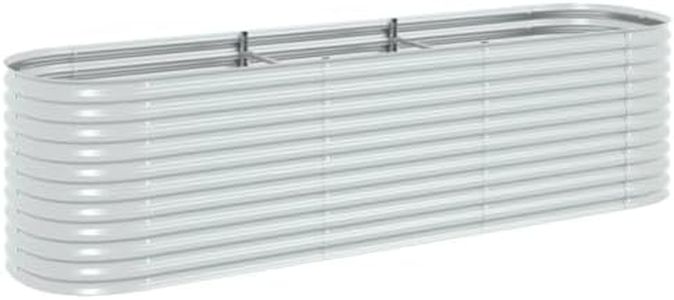
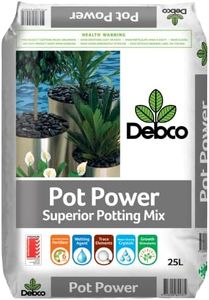
Related Products
Up to 41% off
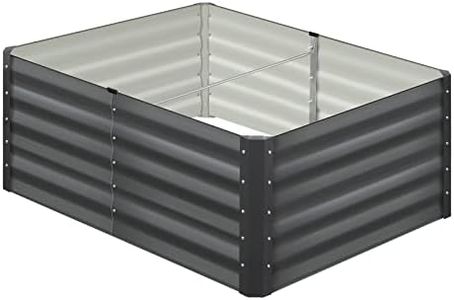

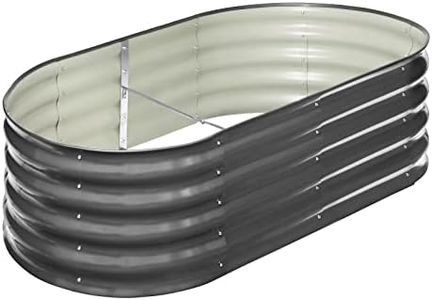
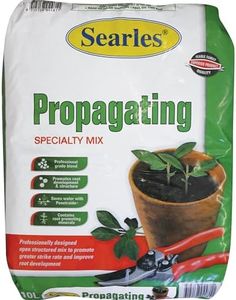

Buying Guide for the Best Soil For Raised Beds
Choosing the right soil for raised beds is essential for growing healthy plants and achieving a productive garden. The soil you use forms the foundation for root growth, nutrient availability, and water retention. Understanding the key characteristics of good raised bed soil will help you create an ideal environment for a variety of plants, whether you're growing flowers, vegetables, or herbs. It's important to assess your gardening goals and local conditions before making a decision.Soil CompositionSoil composition refers to the blend of different materials that make up the soil, such as topsoil, compost, peat moss, and sometimes sand or perlite. This balance affects how well soil drains, retains water, and provides nutrients. Some mixes are heavier with more clay, while others are lighter with more compost or organic matter. In raised beds, a blend containing about 40–50% topsoil, 30–40% compost, and 10–20% aeration material works well for most plants. For crops that need excellent drainage, a lighter mix with extra perlite or sand may be better, whereas root vegetables prefer looser, well-aerated soil. Matching the composition to your plant type and climate will give you the best results.
Nutrient ContentNutrient content describes how much and what kind of plant food is available in the soil, such as nitrogen, phosphorus, and potassium. High nutrient levels support strong growth, but the needs vary depending on what you want to grow. Some pre-mixed raised bed soils come with added fertilizers, while others rely on compost for nutrition. Fast-growing vegetables like lettuce or tomatoes benefit from nutrient-rich soil, while native or drought-resistant plants may need less. Consider testing your soil or buying mixes labeled for your intended use to ensure your plants get what they require.
Texture and DrainageTexture refers to how fine or coarse the soil particles are, and it impacts how well water moves through the soil. Good soil for raised beds should feel crumbly yet hold its shape when squeezed—this means it drains well but doesn’t dry out too quickly. Heavy clay soils retain water but can become compacted, while very sandy soils drain too fast. To find the right balance, aim for a loamy texture, which is soft, airy, and holds moisture without becoming soggy. Plants like tomatoes or peppers thrive in well-drained soils, while leafy greens prefer something that holds moisture a bit longer.
pH LevelpH is a measure of how acidic or alkaline the soil is. Most garden plants grow best in a slightly acidic to neutral pH range of 6.0 to 7.0. If the soil pH is too low (acidic) or too high (alkaline), certain nutrients may be unavailable to plants and growth can suffer. Most commercial raised bed soils are balanced, but it’s still good to check, especially if you want to grow specific plants like blueberries (which prefer acidic conditions). You can adjust pH by adding lime to raise it or sulfur to lower it, based on the needs of your plants.
Organic Matter ContentOrganic matter, such as compost or aged manure, adds nutrients to the soil and improves its structure and ability to hold water. Soils with a high content of organic material are darker and foster a healthy environment for beneficial microbes. Vegetable gardens in particular do better with lots of organic material. Look for soils that specifically list a significant amount of compost or worm castings as this boosts fertility and helps renew your soil over time. If you're aiming for long-term garden health or organic growing, prioritize mixes rich in organic matter.