10 Best Solar Eclipse Eyeglasses
From leading brands and best sellers available on the web.By clicking on a link to a third party's website, log data is shared with that third party.

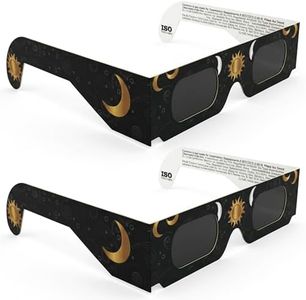

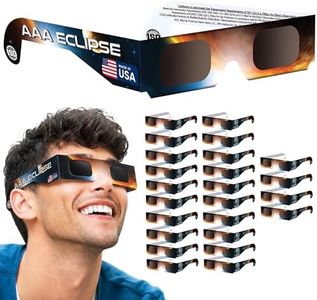
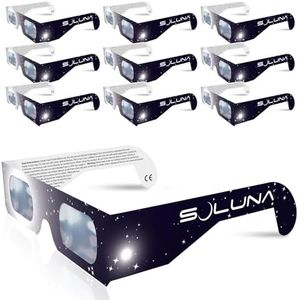
Related Products
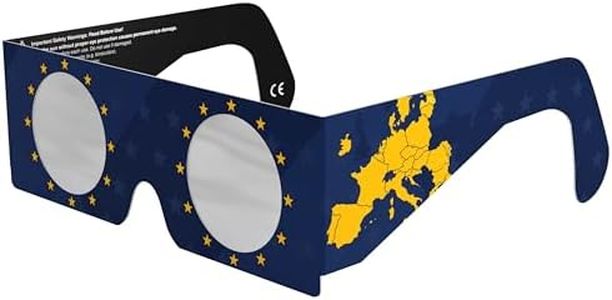

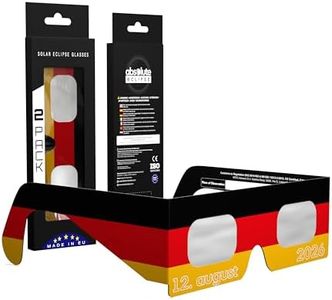
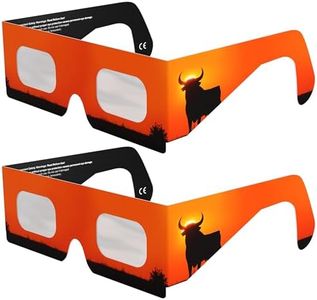
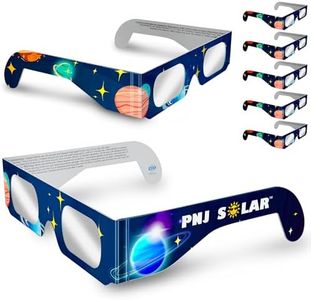
Buying Guide for the Best Solar Eclipse Eyeglasses
When picking solar eclipse eyeglasses, your main goal is to ensure your eyes are fully protected from the harmful rays of the sun during an eclipse. Regular sunglasses or homemade solutions do not provide enough protection and can cause serious eye damage. Therefore, choosing the right eclipse glasses comes down to understanding a few key specifications related to safety certification, material quality, comfort, and clarity.Safety Certification (ISO 12312-2)This specification ensures the eyeglasses meet international safety standards for direct viewing of the sun. ISO 12312-2 certified glasses block harmful ultraviolet, visible, and infrared radiation. If a pair does not have this certification, it may not provide safe protection. It's best to only consider glasses clearly labeled and tested to this standard, especially if you are buying for children or prolonged use, as uncertified glasses could expose eyes to damage even if they appear dark.
Optical DensityOptical density measures how much light the glasses let through. For solar viewing, glasses should let through no more than 0.00032% of sunlight, usually indicated as an optical density of 5 or higher. Lower-density lenses may be comfortable for other uses but are unsafe for looking directly at the sun. Always look for this information in the packaging or product description, and pick glasses with the recommended density for eclipse viewing.
Lens MaterialSolar eclipse glasses are usually made from black polymer or aluminized Mylar. Both materials are effective, but they feel and look slightly different. Black polymer provides a slightly clearer, more natural-orange sun image, while Mylar glasses can give the sun a bluish or silvery appearance. If you're sensitive to color or want the clearest image, you might prefer black polymer. For short use or group purchases, either is fine as long as they are properly certified.
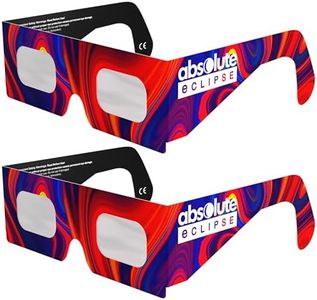
Frame Design and ComfortFrames range from simple cardboard to more durable and comfortable plastic models. Cardboard frames are lightweight and affordable, which is good for occasional use or sharing among many people. Plastic frames usually fit more snugly and feel more like sunglasses, making them preferable if you’ll wear them longer or want a sturdier feel. Consider who will be using the glasses and for how long—children may appreciate flexible frames, while adults might want a more comfortable fit.
Clarity and Scratch ResistanceBecause you'll be looking at a very bright object in sharp contrast, clarity is important for a good viewing experience. Some lenses offer higher clarity and resistance to scratches. If you plan to use the glasses more than once or save them for future eclipses, clarity and durability become more important. For a one-time event, almost any certified pair will be sufficient, but long-term users should prioritize scratch-resistant and clearer-lens models.