10 Best Solar Rechargeable Batteries
From leading brands and best sellers available on the web.By clicking on a link to a third party's website, log data is shared with that third party.

Related Products
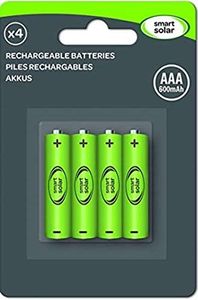
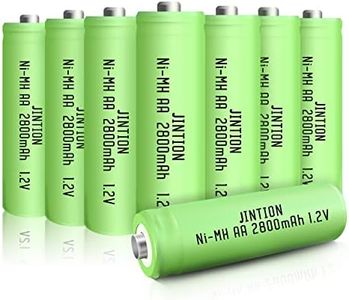
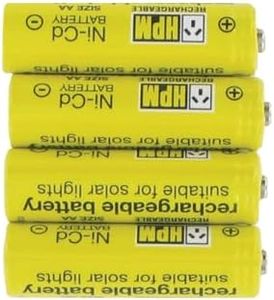
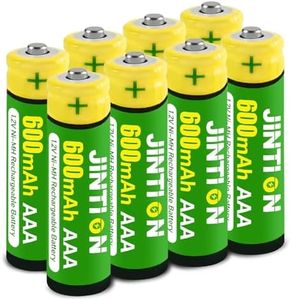
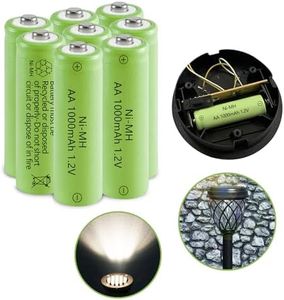
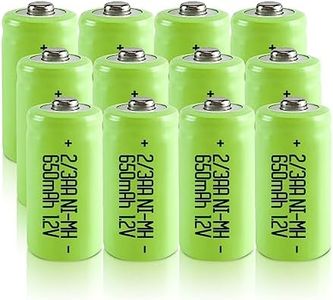
Buying Guide for the Best Solar Rechargeable Batteries
Choosing the right solar-rechargeable batteries is important if you want to power devices or store solar energy efficiently. Before making a purchase, consider the devices or systems you'll be using the batteries for. Your needs could range from small gadgets to powering household appliances, and the intended application strongly influences what kind of battery specifications you should prioritize. Understanding the main features of solar-rechargeable batteries will help you make an informed decision that matches your requirements for performance, reliability, and convenience.Battery TypeThe type of battery refers to the chemical makeup, such as Lithium-ion, Nickel-Metal Hydride (NiMH), or Lead-acid. This is important because each type has unique benefits and limitations, such as weight, charging speed, life span, and how well it handles being charged and discharged repeatedly. Lithium-ion batteries are lightweight and have a long life, making them suitable for portable and frequent-use situations. NiMH batteries are often more affordable, safe, and robust, but may not last as long. Lead-acid batteries are heavy but generally used for larger, stationary setups due to their cost-effectiveness. Consider your need for portability, cycle life, and the size of your solar project when choosing the battery type.
Capacity (mAh or Ah)Capacity, often measured in milliamp-hours (mAh) or amp-hours (Ah), tells you how much charge the battery can store, which translates to how long it can power a device. A higher capacity battery will last longer between charges but is often larger and heavier. For low-drain electronics like garden lights, a lower capacity may suffice, while for power-hungry items or longer runtimes you should look for higher capacities. Match the capacity to your needs by understanding how much energy your devices use, and choose accordingly.
VoltageVoltage indicates the potential energy of the battery. Common values include 1.2V for small NiMH batteries, 3.7V for lithium-ion, or 12V for larger batteries. The right choice depends on the voltage requirements of your devices or solar system. Using a battery with the wrong voltage can damage equipment or be inefficient. Identify the voltage that matches your device or system so everything runs smoothly and safely.
Cycle LifeCycle life means how many times a battery can be fully charged and discharged before it noticeably loses capacity. Batteries with higher cycle life provide better long-term value, especially for frequent use in solar systems where batteries are charged daily. If you want a battery that will last years with regular use, prioritize ones with a high cycle life. For occasional or seasonal use, cycle life may be less critical.
Self-Discharge RateSelf-discharge rate describes how quickly a battery loses its charge when not in use. Batteries with lower self-discharge rates hold their charge longer, which is helpful if your system will sit unused for stretches. For frequent, daily use, this may be less important, but for emergency equipment or backup systems, choose a battery with a low self-discharge rate to ensure it's ready when you need it.
Charging TimeCharging time is the amount of time required to recharge a battery from empty, and it depends on the battery type, capacity, and the strength of the solar charger. Faster charging is preferable if you have short daylight hours or need the battery ready quickly. For stationary or overnight setups, longer charging times may be acceptable. Always consider your available sunshine and how often you need the batteries ready.
Operating Temperature RangeOperating temperature range indicates the temperatures at which the battery can charge and function safely. This is critical if you live in an area with very hot summers or cold winters, or if your battery will be located outdoors. Check this specification to ensure the battery will remain reliable in your climate. Batteries stored or operated outside their recommended temperature range may become less efficient or have a reduced lifespan.