10 Best Soundproofing Solutions For Walls
From leading brands and best sellers available on the web.By clicking on a link to a third party's website, log data is shared with that third party.
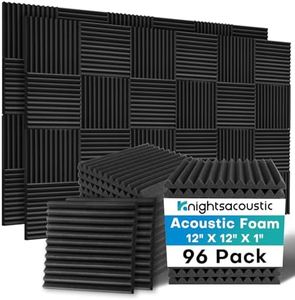
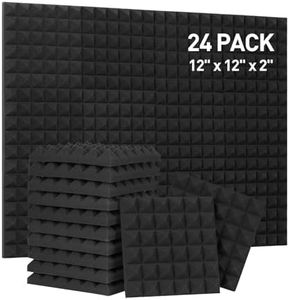
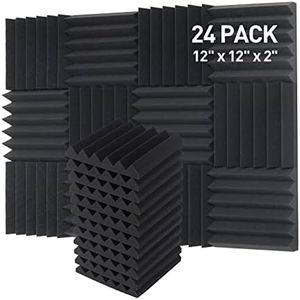
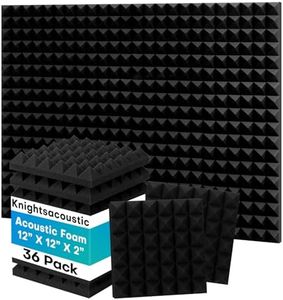
Related Products
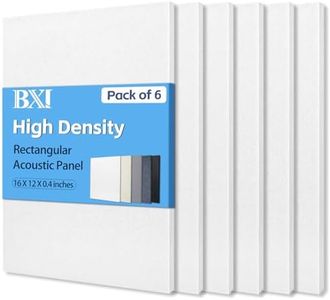
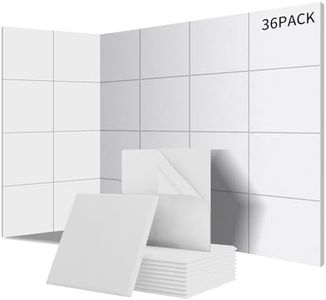
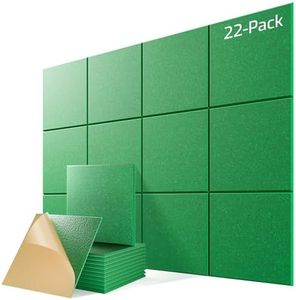
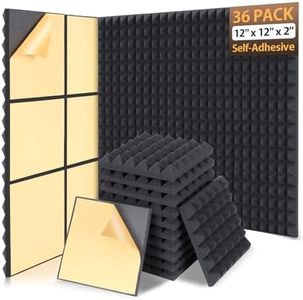
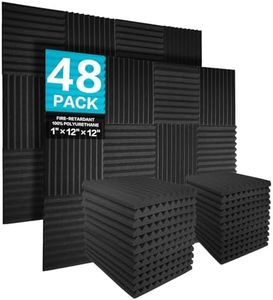

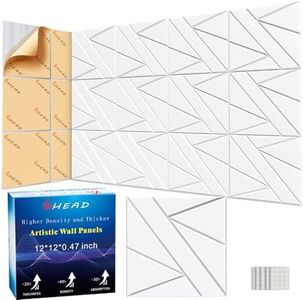
Buying Guide for the Best Soundproofing Solutions For Walls
When looking for soundproofing solutions for walls, it's important to understand that not all products work the same way, and different spaces will have different soundproofing needs. Start by thinking about what kinds of noises you’re trying to block or reduce—are they loud voices, traffic noise, or maybe music from another room? Also, consider whether you own your property (since some solutions are more permanent) or if you need something more temporary. Understanding your specific situation and the type of noise will help you choose the right approach and materials, ensuring better results and satisfaction.STC RatingSTC stands for Sound Transmission Class, a number that tells you how well a wall material or soundproofing product can stop sound from passing through. The higher the STC rating, the better it is at blocking sound. Light walls or thin solutions have lower STC ratings (like 20-30) and only stop softer sounds, while higher ratings (like 50 and above) are good at blocking loud noises, even shouting or music. To decide what STC you need, think about how much noise you want to block—a bedroom wall might only need moderate soundproofing, but a home studio would need the highest possible.
Material TypeThere are a variety of materials used for soundproofing, like dense foam panels, mass loaded vinyl, fiberglass batts, or specialized drywall. Denser and heavier materials usually perform better at blocking sound. Soft and light materials are often better at absorbing sound instead of blocking it. If you want to reduce echo inside a room, go for absorber materials; if you want to stop noise moving through a wall, choose the densest or heaviest option that fits your situation and wall type.
Installation MethodSoundproofing solutions range from simple stick-on panels to full-scale wall renovations. Some products can be added directly on your existing wall, while others require removing drywall or adding extra layers. Permanent installs generally offer more noise reduction, but temporary or removable options can still help and don’t damage your walls. Consider your living situation: renters often need removable solutions, while homeowners can explore more drastic upgrades.
ThicknessThe thickness of a soundproofing material affects how much sound it can block or absorb. Thicker materials usually provide better performance, especially in blocking lower-frequency sounds like bass or traffic rumble. Wall space and available room may guide how thick you can go—if you can add an extra wall layer, you’ll get better results than using only a thin panel. Choose a thickness that matches the noise problem and doesn’t overly reduce your room space.
Fire Safety RatingSince soundproofing materials are added to your walls, it’s important that they are safe in case of a fire. Fire safety ratings tell you how quickly a material burns or if it releases toxic smoke. If you’re soundproofing bedrooms or busy spaces, always check for fire-resistant labeling to keep your home safe. This is even more crucial if local building codes require it, or you’re soundproofing commercial areas.
Moisture ResistanceIn areas like basements, bathrooms, or anywhere with dampness, you should think about how well a soundproofing solution resists moisture. Some materials, like certain types of foam or fiberglass, can absorb water and become damaged or moldy. If you’re working in a humid place, look for materials labeled as moisture-resistant or designed for such conditions. This helps your investment last longer and keeps your walls healthy.