10 Best spinnerbaits
From leading brands and best sellers available on the web.By clicking on a link to a third party's website, log data is shared with that third party.
Related Products
Up to 15% off

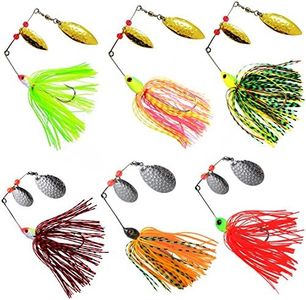
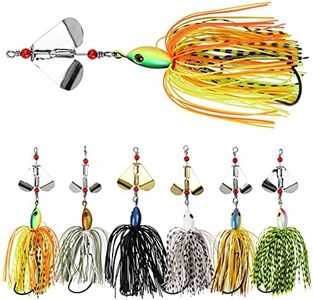
Buying Guide for the Best spinnerbaits
Choosing the right spinnerbait can feel overwhelming with all the different options out there, but focusing on a few key features will help you narrow things down. Spinnerbaits are versatile lures that can catch a variety of fish, especially bass, because of their flash and vibration in the water. The best way to pick a spinnerbait is to think about where, when, and how you plan to use it—different water conditions, target species, and retrieval styles can influence your choice. Understanding the major features and how they relate to your fishing style will make your selection much easier and more effective.Blade TypeThe blade type is a central part of a spinnerbait's design, affecting the lure’s flash and vibration, which in turn attract fish. The most common blade shapes are willow, Colorado, and Indiana. Willow blades are long and narrow, offering lots of flash but less vibration, making them great for clear water where sight is key. Colorado blades are round and create strong vibrations, but flash less, so they're ideal for murky water where fish rely more on feel than sight. Indiana blades are a middle ground, offering moderate flash and vibration. Picking the right blade type depends on the typical water clarity and how you want to attract fish: use more vibration in dirty water and more flash in clear water.
Blade SizeThe size of the spinnerbait blade can range from small to large, and this influences how much water the blade moves and how visible it is. Smaller blades spin faster and create less disturbance, perfect for a subtle approach or when targeting smaller or skittish fish. Larger blades make a bigger thump and are easier for fish to find in deeper or dirtier water. To pick the right size, think about the conditions and the type of fish you are after—use larger blades for aggressive fish or low-visibility water, and smaller blades when you need finesse.
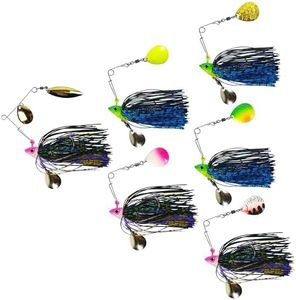
Skirt Material and ColorThe skirt covers the hook and adds movement and color, mimicking the appearance of prey. The material is usually silicone or rubber, which are both durable and provide good action in the water. Color choices are abundant: natural, subtle colors are best for clear water and wary fish, while bright, vibrant colors stand out in murky water or on cloudy days. Your choice should match local prey and water conditions, helping your spinnerbait look like the best meal available.
WeightSpinnerbaits come in a range of weights, commonly from 1/8 to over 1 ounce, and the weight affects how deep and how fast you can fish the lure. Light spinnerbaits stay higher in the water and are easy to use in shallow areas, while heavier ones get down quickly and are better for deeper waters or faster retrieves. Choose a weight that lets your spinnerbait travel at the right depth for where you’re fishing, and gives you control over your retrieve speed.
Wire Arm Length and ThicknessThe wire arm is what holds the blade(s) to the jig head and affects how the lure moves in the water. A longer or thinner wire gives more vibration and allows the blades to spin freely, which can be excellent in open water for maximum attraction. A shorter or thicker wire is sturdier and less likely to bend, making it good for fishing in heavy cover where durability matters more. If you’re fishing around lots of weeds or wood, a strong, compact arm can handle bumps and snags; if you need to maximize flash and vibration, look for a longer, thinner arm.