10 Best Sports Bras For Running
From leading brands and best sellers available on the web.By clicking on a link to a third party's website, log data is shared with that third party.
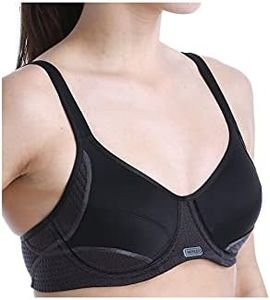
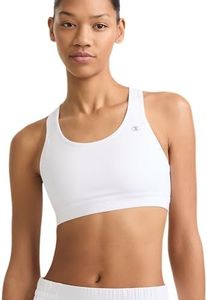
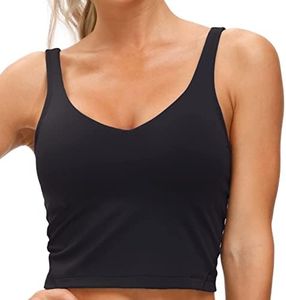
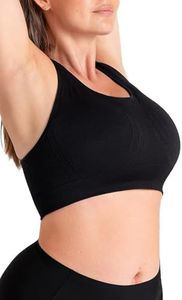
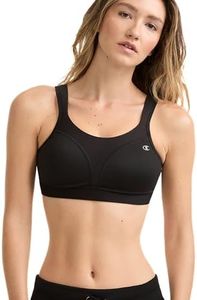
Related Products
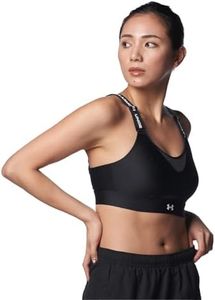
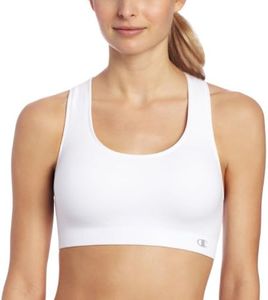
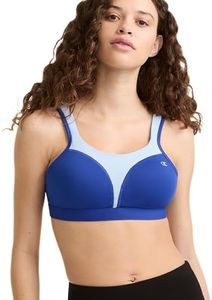

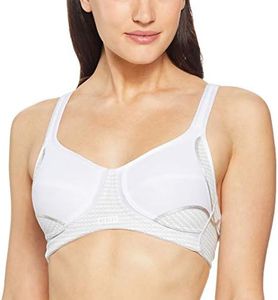
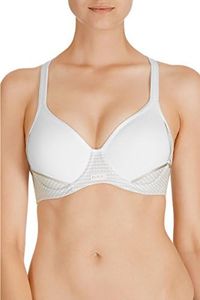
Buying Guide for the Best Sports Bras For Running
Choosing the right sports bra for running is important for comfort, support, and performance. A well-fitting sports bra reduces discomfort and limits breast movement, which helps prevent irritation and long-term tissue damage during high-impact activities like running. There are various options available, each with features tailored to different body types and activity levels, so understanding the key aspects will make it easier to find the best fit for your needs.Support LevelSupport level describes how much control the bra provides to minimize breast movement. High-impact activities like running generally need maximum support. Support levels usually fall into low, medium, and high categories. Low support is suitable for activities with little movement, medium for activities like cycling or hiking, and high for running or aerobics. Pick a high-support bra for running, especially if you have a larger bust or find bouncing uncomfortable. The snugger the fit (without being restrictive), the better the support.
Fit and SizingFit and sizing are crucial since an ill-fitting sports bra can be very uncomfortable and ineffective. Sports bras come in general sizes (like S, M, L) or regular bra sizes (such as 34C, 36D). For best results during running, look for a bra that fits firmly around the chest without digging in, with separate cups or compression designs that encapsulate or compress the breasts to limit movement. Try on a few options if possible, test the fit by moving or jumping, and make sure there is no chafing or riding up.
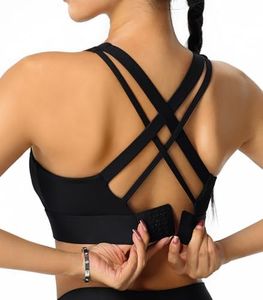
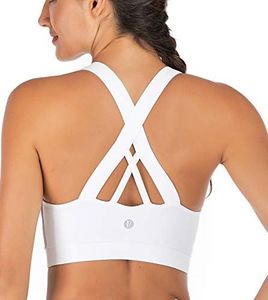
Strap DesignStrap design plays a role in both comfort and support. You’ll find racerback, crisscross, and traditional vertical straps. Racerback and crisscross styles often provide more support because they keep the bra snug against the body, which is ideal for running. Wider straps help distribute weight and reduce shoulder strain. Adjustable straps allow for a customized fit, which is helpful if your body changes or you need different tightness for various activities.
Fabric and BreathabilityThe fabric of a sports bra affects moisture management and ventilation. Look for materials labeled as moisture-wicking or quick-dry. These fabrics pull sweat from your skin and dry quickly, reducing chafing and keeping you comfortable during long runs. Some bras offer extra ventilation through mesh panels. If you tend to sweat heavily or run in hot climates, prioritize highly breathable fabrics.
Closure TypeSports bras may use pullover (no closure), hooks, or zip fronts. Pullover styles are common for compression bras, providing a simple design. Hook-and-eye closures, usually at the back, allow for adjusting tightness. Zip fronts can be very convenient for putting on and taking off, especially after a sweaty workout. Consider closure type based on your flexibility, ease of use, and personal comfort.
Padding and UnderwirePadding and underwire both affect shape and support. Some bras are unpadded, while others have light or removable padding for modesty or extra comfort. Underwire bras offer more shaping and separation, but some runners find them less comfortable for long distances. Choose padding and underwire based on whether you seek extra shaping and support or prefer a more natural, less structured feel.