10 Best Sports Photography Cameras For Beginners
From leading brands and best sellers available on the web.By clicking on a link to a third party's website, log data is shared with that third party.
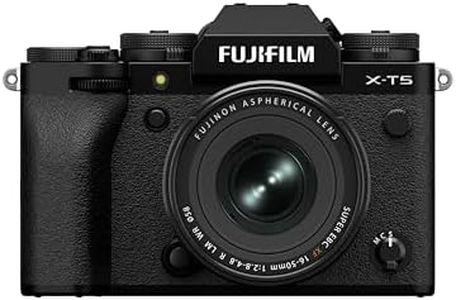

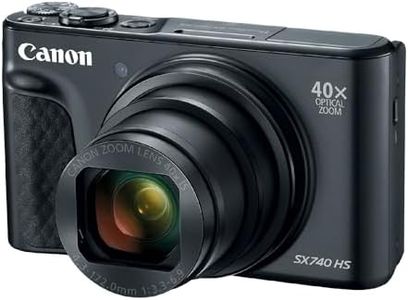
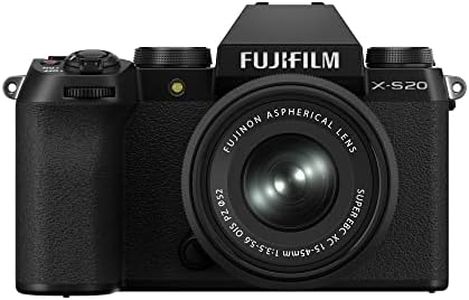
Related Products
Up to 8% off
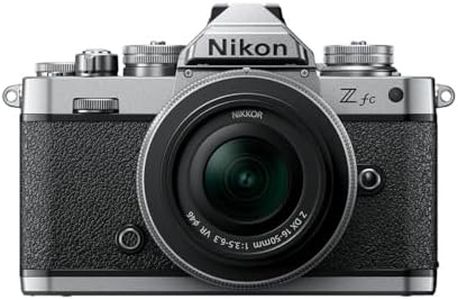
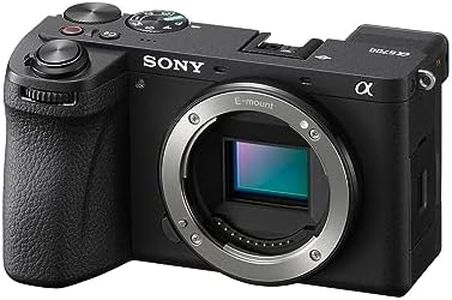
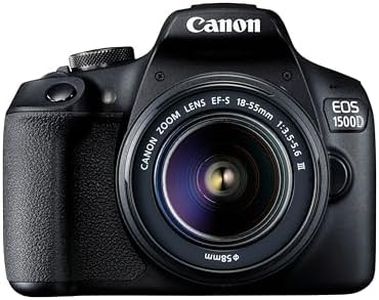
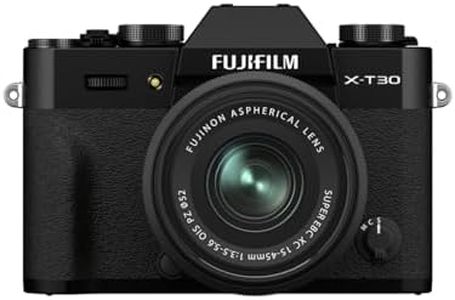

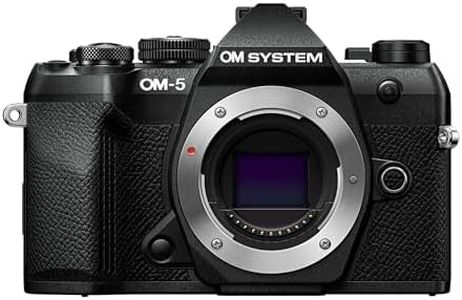
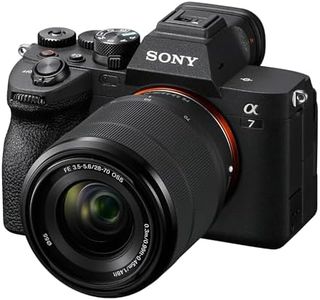
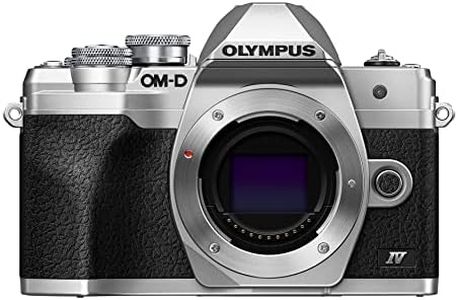

Buying Guide for the Best Sports Photography Cameras For Beginners
Choosing your first camera for sports photography can feel overwhelming, but it's all about understanding which features will help you capture sharp, exciting action shots. For sports, you'll want a camera that can freeze fast movement and keep up with rapidly changing scenes. Instead of getting lost in technical jargon, focus on the main features that impact how easily you'll catch the perfect moment. It's important to match your camera's abilities to the type of sports you want to shoot, how much movement happens, and how often you'll be taking photos in less-than-ideal lighting like indoors or at dusk.Autofocus SystemAutofocus is what helps your camera lock onto a subject, like a running player, and keep them sharp even as they move. In sports photography, a good autofocus system is vital because subjects are moving rapidly and unpredictably. You'll find autofocus systems rated by how many focus points they have, and whether they offer special modes like tracking or continuous autofocus. Simpler systems may have only a few focus points—fine for predictable motions, but likely to miss more complex movement. More advanced systems offer dozens or hundreds of points and better tracking, which is especially helpful if you'll be shooting dynamic sports like soccer or basketball. Choose a camera with autofocus that keeps up with the speed and unpredictability of the sport you plan to photograph most often.
Frames Per Second (FPS) / Burst RateThis spec tells you how many photos the camera can take in one second while you hold the shutter button down—important in sports because action happens in split seconds. Entry-level cameras might shoot 3-5 FPS, which lets you grab a decent set of action sequences, but you might miss some key moments in fast-paced games. Mid-range cameras often manage 7-10 FPS, giving you a much better chance of getting the perfect shot during pivotal moments. If your sport is especially fast (think track and field, or martial arts), higher FPS will let you choose the sharpest, most exciting frame. For beginners, a camera that offers at least 5 FPS is a good starting point, but go higher if your subject matter demands it.
Sensor SizeThe sensor is like the eye of the camera: the larger it is, the more detail and light it can capture. This matters in sports photography, especially in poor lighting or when you want to crop in close to the action. Common sensor sizes are 'Full-Frame' (largest), 'APS-C' (medium), and 'Micro Four Thirds' (smaller). Full-Frame sensors provide better performance in low light and allow more control over depth-of-field, but cameras with these sensors are usually larger and heavier. APS-C sensors strike a balance between size and performance, and often give your lenses extra reach due to their 'crop factor'—useful for distant subjects. Beginners can start with either APS-C or Full-Frame depending on how important low light performance and weight are to their shooting style.
Buffer DepthBuffer depth is how many photos the camera can store temporarily while shooting in burst mode before slowing down to transfer images to the memory card. If you're shooting fast action, a deeper buffer means you can keep shooting bursts for longer without the camera slowing down. With a small buffer, you might only get a few seconds at full speed; a deeper buffer keeps you shooting for longer sequences, which is helpful for unpredictable sports moments. As a beginner, look for a buffer that can handle at least a few seconds of continuous shooting at the camera’s maximum FPS.
Viewfinder TypeCameras offer either optical viewfinders (which show the real scene through the lens, typical in DSLRs) or electronic ones (which display a digital preview, seen in mirrorless cameras). Optical viewfinders have no lag and work great in bright sunlight—a big plus for outdoor sports. Electronic viewfinders can show you exactly how your shot will turn out, including exposure and color, and they often come with helpful overlays like focus peaking. Beginners should pick the type that feels more natural—optical is better for those who want immediacy, electronic offers a more 'what you see is what you get' experience.
Lens CompatibilityYour lens determines how close you can get to the action. For sports, longer lenses (telephoto) are often key. Make sure the camera you pick supports a variety of lenses, especially telephoto options, since you'll likely want to invest in a lens with a long reach as you grow. Beginners should check the availability and price range of sports-appropriate lenses for their camera system before committing.
Handling and SizeComfort matters, especially when you're panning quickly or holding your gear for an entire game. Heavier cameras can be steadier but harder to carry, while smaller models are lighter but sometimes feel less robust. Try holding different cameras in-store if you can, paying attention to grip and button layout. Pick a camera that feels comfortable and balanced in your hands, especially with a bigger lens attached, since you'll be focusing on action for long periods.