10 Best Sports Video Cameras
From leading brands and best sellers available on the web.By clicking on a link to a third party's website, log data is shared with that third party.

Related Products
Up to 26% off
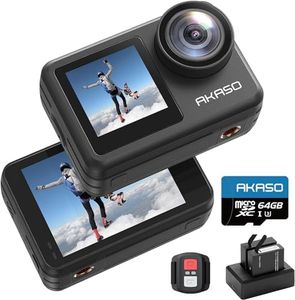
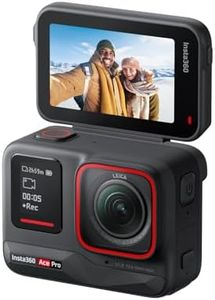
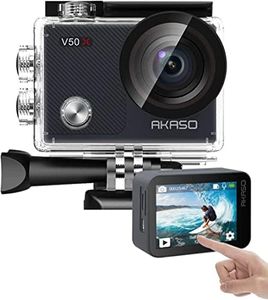
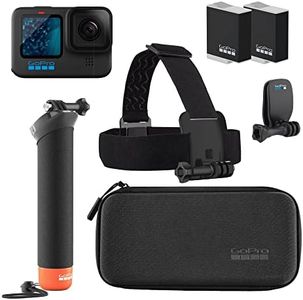
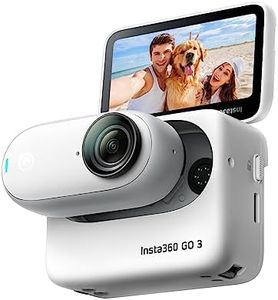
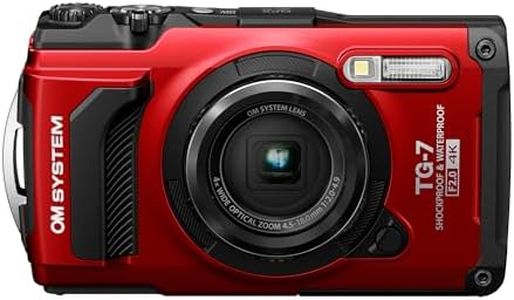
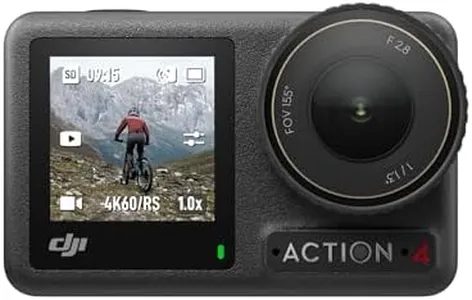
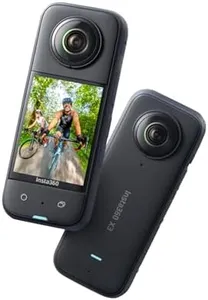
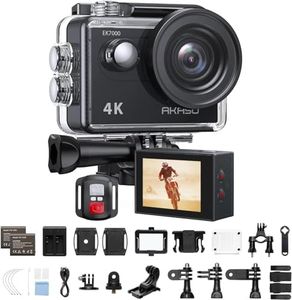
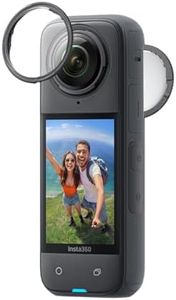
Buying Guide for the Best Sports Video Cameras
Choosing a sports video camera can feel overwhelming because there are many features and specs that seem complicated at first glance. Start by thinking about the activities you plan to film—whether it’s fast-paced sports like cycling or surfing, or smoother activities like hiking. The best camera for you will be one that offers the right combination of video quality, durability, ease of use, and mounting options to match your needs. Pay attention to how and where you’ll be using the camera, as well as what you want your videos to look like.Video ResolutionVideo resolution refers to the clarity and detail of the video a camera records, usually noted as 1080p (Full HD), 1440p, 2K, or 4K. The higher the number, the sharper your footage will be. For most general action footage, 1080p provides clear and smooth video. 2K and 4K offer even more detail, which is great if you want to show off crisp visuals or plan to edit and crop your videos later. If your main goal is to share clips on social media or view them on most screens, 1080p or 1440p is plenty. Only go for 4K if you want professional quality or plan heavy editing.
Frame RateFrame rate is the number of pictures the camera takes per second, measured in frames per second (fps). Common options are 30fps, 60fps, and 120fps or higher. Lower frame rates like 30fps are suitable for regular motion, while higher ones like 60fps or 120fps capture smoother action and are great for fast sports or creating slow-motion effects. If you plan to record high-speed sports or want dramatic slow-motion replay, look for cameras with higher frame rates. Otherwise, 30-60fps will satisfy most casual users.
Image StabilizationImage stabilization is a technology that helps keep your video steady, even when the camera moves or shakes. This is particularly important for sports cameras because they are often mounted on moving bodies or equipment. There are basic stabilization systems and advanced ones (such as electronic or optical stabilization). If your activities involve lots of bumps or rapid motion like mountain biking, opt for better stabilization. For smoother activities, less advanced stabilization could suffice.
Durability/WaterproofingThis spec is about how well the camera handles harsh conditions like water, dust, or drops. Some cameras are waterproof and rugged straight out of the box, while others need a separate case. If you’re planning activities around water, rain, or dirt—or action sports like snowboarding or surfing—make sure your camera is rated as waterproof and tough without any extra case. If you’re just filming on land or in mild environments, basic durability is enough.
Mounting OptionsMounting options determine where and how the camera can be attached—like to a helmet, handlebars, chest, or board. The more flexible the mounting system, the more creative shots you can capture. Some cameras come with a wide variety of mounts, while others may need extra accessories. Think about your main sport: for head or body mount sports, look for cameras with good, stable mounts designed for those areas. If you want to try lots of different angles, make sure the system is compatible with many mounts.
Battery LifeBattery life tells you how long the camera can record on a single charge. This varies from under an hour to several hours, depending on settings and use. If you plan long recording sessions (like hiking, biking, or all-day events), look for models with longer battery life or swappable batteries. If you just capture short clips, battery life is less critical.
Ease of Use and ConnectivityEase of use includes things like touchscreen controls, simple menus, and a user-friendly app for transferring videos. Connectivity options like Wi-Fi or Bluetooth make it easier to quickly share or back up footage. If you’re not tech-savvy or want to quickly post videos online, pick a camera with simple controls and straightforward app support. If you prefer to transfer files manually, this may be less important.