10 Best Stair Steps For Dogs
From leading brands and best sellers available on the web.By clicking on a link to a third party's website, log data is shared with that third party.


Related Products
Up to 21% off

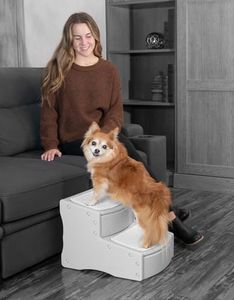


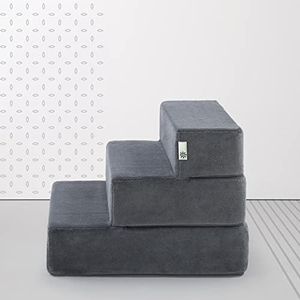


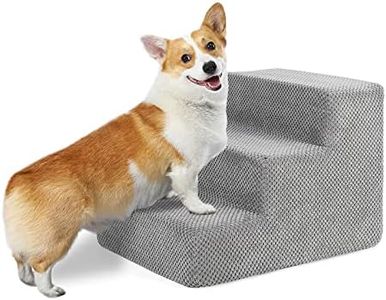
Buying Guide for the Best Stair Steps For Dogs
Choosing the right stair-steps for your dog is important for their safety and comfort. These steps help dogs reach higher surfaces like beds or couches and can be especially useful for older dogs, small breeds, or pets with mobility issues. When selecting dog stairs, consider your dog's needs, their size, health, and the places where they'll use the steps. Prioritize stability and ease of use for both you and your pet. Understanding the key product specifications will help you find the perfect match for your home and your dog.MaterialThe material of stair-steps for dogs affects durability, weight, and comfort. Most steps are made from plastic, wood, or foam. Plastic steps are lightweight and easy to clean, but may be less stable on slippery floors. Wooden steps are sturdy and often more decorative, but heavier. Foam steps are soft and comfortable, ideal for smaller or lighter dogs, but might not support large breeds well. Choose material based on your dog's size, strength, where you’ll use the steps, and how easy you want cleaning and moving them to be.
Number of Steps/HeightThe number of steps and their overall height determines how easily your dog can climb onto your furniture. Steps typically range from two to five steps and vary in height. Fewer, taller steps are better for larger dogs who can handle bigger strides, while more, shorter steps are easier on smaller or less agile dogs. Measure the furniture height and compare to the stairs to ensure a safe and gentle ascent for your pet.
Step Depth and WidthStep depth and width impact how comfortable and safe it is for your dog to use the stairs. Wider and deeper steps offer more room for your dog’s paws and reduce the risk of slipping. Shallow, narrow steps may be fine for small dogs, but larger breeds or pets with joint pain need extra space for secure footing. Think about your dog’s breed and mobility to decide what depth and width work best.
Weight CapacityWeight capacity tells you how much weight the steps can handle without breaking or becoming unstable. Models with higher weight limits suit larger dogs, while lighter capacity steps are often adequate for small breeds. Always check this spec and choose a model that supports your dog’s weight to ensure safety.
Grip/Surface TextureGrip or surface texture refers to how slippery or secure the steps are. Look for steps with carpet, fabric, or non-slip rubber treads. These features give your dog’s paws grip and reduce the chance of accidents, which is vital for senior dogs or pups with mobility challenges. If your pet is prone to slipping, a textured surface is especially helpful.
Portability and StoragePortability and storage matter if you need to move the stairs between rooms or store them away. Some steps are lightweight or foldable, making them easier to carry or tuck under furniture. If you have limited space or plan to use the stairs in multiple places, consider how easy it will be to move and store them.
Ease of CleaningEase of cleaning is about how simple it is to keep the steps sanitary. Removable, washable covers or materials that can be wiped down with a cloth are practical features. Especially if your dog sheds a lot or is prone to accidents, easy cleaning will make maintenance stress-free.