10 Best Standing Desk Riser
From leading brands and best sellers available on the web.By clicking on a link to a third party's website, log data is shared with that third party.
Related Products
Up to 26% off


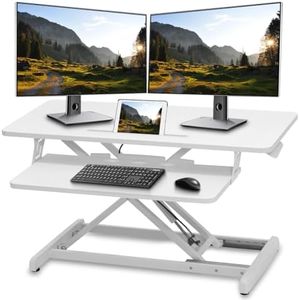
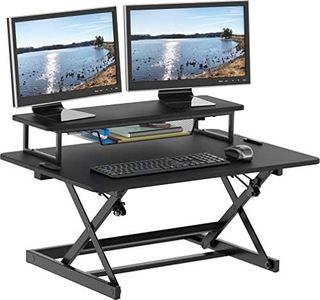
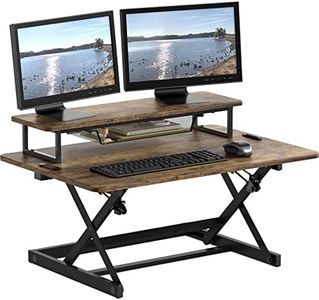
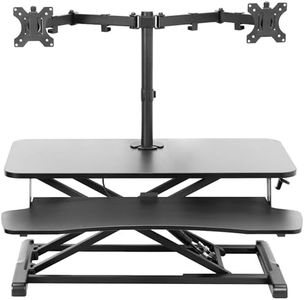
Recommended lists

Top rated
Standing Desks
Buying Guide for the Best Standing Desk Riser
Choosing a standing desk riser is all about finding a balance between comfort, ergonomics, and practicality. A desk riser lets you easily switch between sitting and standing while working, which can help with posture and reduce fatigue. Since you’ll use it daily, think about your work habits, the size of your workspace, and how easy the riser is to adjust and live with day-to-day.Height AdjustabilityThis spec refers to the range of heights the riser can be set to. It's important because everyone’s comfortable working posture is different. Some risers have just a few stops, while others allow for fine-grained adjustability. Shorter users might be fine with a more limited range, but taller users should look for the highest possible setting. Try to match the riser to your natural elbow height for both sitting and standing positions to avoid strain.
Work Surface SizeWork surface size means how much usable area you have on top of the riser. A small surface suits a laptop or minimal setup, while a larger one lets you use multiple monitors, a keyboard, and a mouse comfortably. Think about what you need to have within easy reach—if you use more gadgets or paperwork, a bigger surface will suit you better.
Weight CapacityWeight capacity indicates how much weight the riser can support. Lighter duty models are fine for a laptop or a monitor, while heavier setups—like dual monitors or heavy accessories—require a riser that can handle more weight. Make a list of what you’ll put on the riser and check the combined weight to ensure the riser can manage it without wobbling or bending.
Adjustment MechanismThis describes how you raise or lower the riser. Manual mechanisms are common and require you to use handles, levers, or buttons, while some premium options use gas springs for smoother movement. If you anticipate adjusting often, smoother or one-handed adjustments will save effort and prevent interruptions to your workflow.
StabilityStability refers to how steady and secure the riser feels at any height. A wobbly riser can feel unsafe and disrupt work, especially when typing or writing. Heavier, broader bases and solid construction improve stability. Try gently rocking the surface if possible—if it feels solid, it will support productive, distraction-free work.
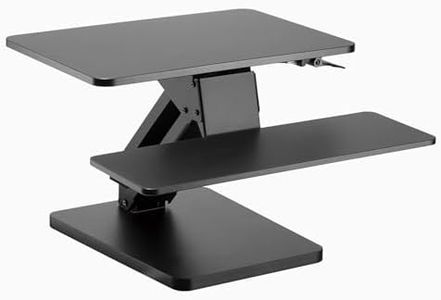
Keyboard TraySome risers include a dedicated keyboard tray, while others do not. A separate tray can help keep your hands at the right ergonomic height and free up surface space, but only if it's large and sturdy enough. If you use a full-sized keyboard and mouse, make sure the tray fits them easily and won't make typing awkward.
Ease of Assembly and PortabilitySome risers come ready to use, while others need some assembly. If you prefer minimal setup, look for models that need little to no work to get started. Portability is worth considering if you plan to move the riser between rooms or share it. Lighter materials make moving easier, but be sure stability doesn’t suffer as a result.