10 Best Stovetop Grill Pans
From leading brands and best sellers available on the web.By clicking on a link to a third party's website, log data is shared with that third party.
Related Products
Up to 18% off
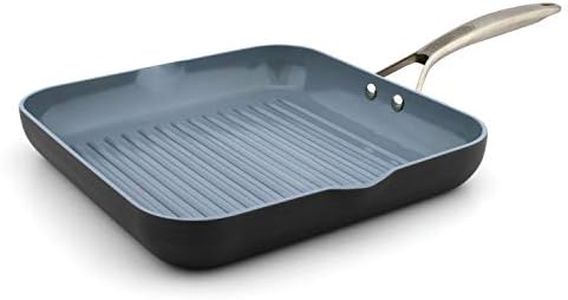
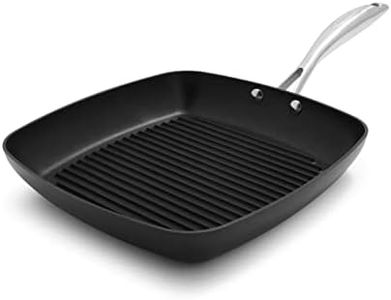

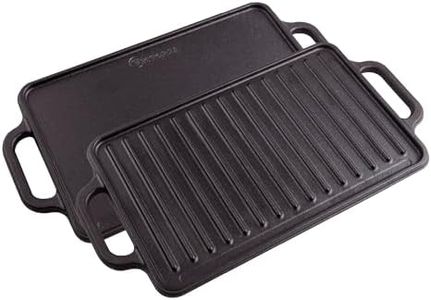

Buying Guide for the Best Stovetop Grill Pans
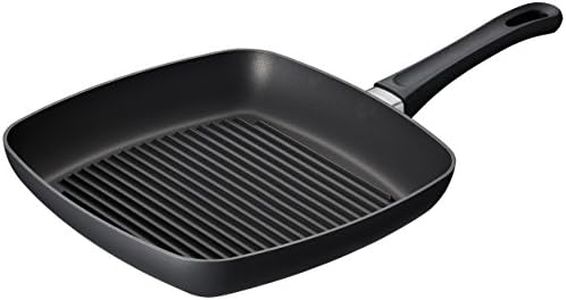
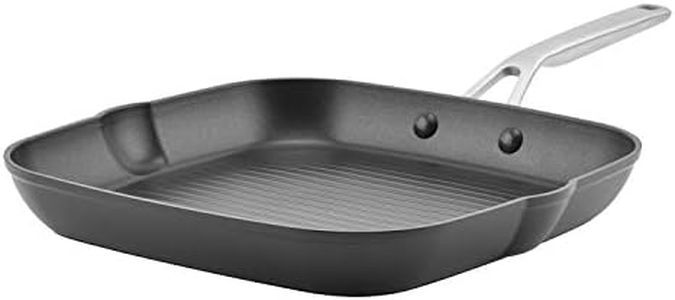
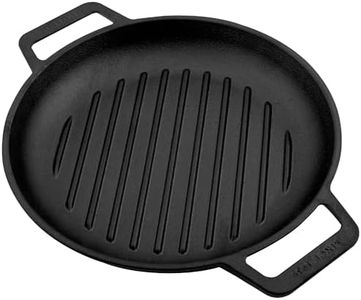
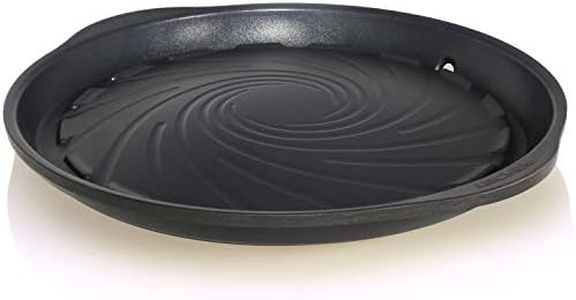
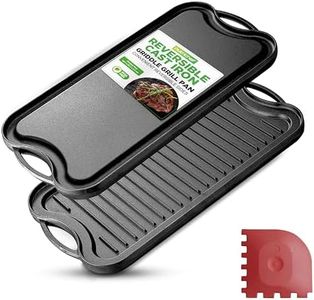
Choosing the right stovetop grill pan ensures you get delicious grilled results indoors, no matter the weather. The perfect grill pan can beautifully sear food, help you control fat and flavor, and serve as a versatile tool for everything from steak to vegetables. To find the best fit, think about what you cook most often, how much space you have on your stove, and how easy you need cleanup to be.MaterialMaterial refers to what the grill pan is made of, which greatly affects how evenly it heats, how well it retains heat, and how easy it is to maintain. Common choices are cast iron, nonstick-coated metals, and stainless steel. Cast iron grill pans get really hot and stay hot, making them excellent for searing and getting grill marks, but they're heavier and require seasoning and extra care. Nonstick grill pans are lighter and easy to clean, but don't always provide intense heat for a strong sear; they're great for lean foods and gentle grilling. Stainless steel pans heat up quickly and offer durability, but can be harder to clean. If you like rich, smoky flavors and don't mind a little extra work, cast iron is usually the best choice, while nonstick or stainless might suit you if you want convenience and easier upkeep.
Size and ShapeSize and shape refer to the dimensions and design of the grill pan. Grill pans come in various sizes, from compact single-serving pans to larger ones that can handle multiple portions at once. They can be round, square, or rectangular. Larger pans are great for families or cooking several servings, but require more cooking space and are harder to handle; smaller pans heat up faster and are easier to store. Round grill pans may fit better on smaller burners, while square or rectangular ones maximize cooking area. Pick a grill pan that's big enough for your typical meal size and fits comfortably on your stovetop without overlapping burners.
Ridge Depth and SpacingRidge depth and spacing describes the raised lines inside the grill pan that mimic outdoor grill grates. These ridges are important because they let fat drain away from food and produce classic grill marks. Higher, widely spaced ridges keep food out of grease and create deeper grill marks, but may be trickier to clean and can leave some food undercooked in the valleys. Shallower or closely spaced ridges make it easier to cook evenly and fit delicate or smaller foods, but might not give as dramatic grill marks. If you like that signature grilled look and taste, deeper ridges may appeal to you, but gentler ridges are better if easy flipping and even heating matter more.
CompatibilityCompatibility refers to which types of stovetops the grill pan works with, including gas, electric, induction, or ceramic. Some pans, especially those with certain materials or coatings, may not work on induction cooktops. Before buying, check if your stove's heating method matches the pan's requirements. If you have an induction stove, look for a pan that's clearly labeled as induction-compatible. If you'll use the pan in the oven as well, make sure it's marked oven-safe to the temperatures you need.
Ease of CleaningEase of cleaning refers to how simple it is to wash and maintain the grill pan after use. Grill pans with nonstick surfaces are quickest to clean, while bare cast iron needs careful drying and oiling to prevent rust. Deeper ridges can trap food and grease, requiring brushes or soaking to get truly clean. If you want the least fuss, lighter pans with smooth nonstick coatings are easiest to manage. However, if you don't mind a little work in exchange for a top-quality sear and durability, cast iron might be worth the extra effort. Consider how much time and effort you're willing to spend on upkeep when making your choice.
Weight and HandlingWeight and handling describe how heavy the pan is and how comfortable it is to grip and move. Heavier grill pans, like those made from cast iron, provide steady heat but can be challenging to lift, especially when full. Lighter pans are easier to maneuver, pour, and clean, but might not distribute heat as evenly. Long handles and side grips help you carry the pan safely and pour off excess fat. Choose a pan weight and handle design that matches your strength, cooking frequency, and comfort in the kitchen.