10 Best Streaming Music Players
From leading brands and best sellers available on the web.By clicking on a link to a third party's website, log data is shared with that third party.


Related Products
Up to 8% off

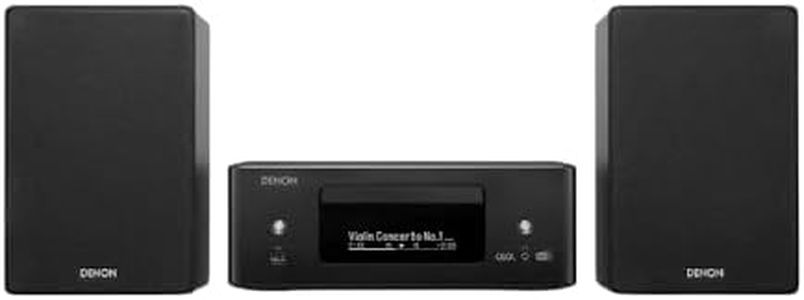
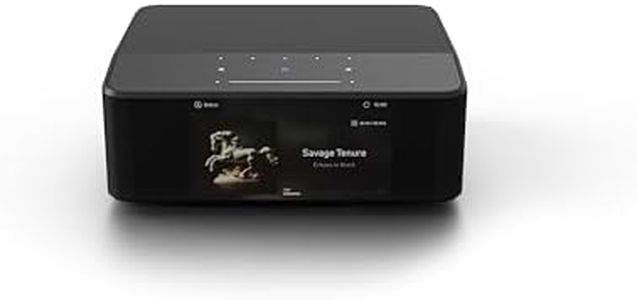

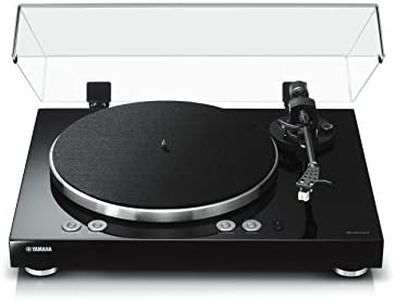
Buying Guide for the Best Streaming Music Players
Choosing a streaming music player is all about finding a device that fits your listening habits, the way you interact with your music, and your need for sound quality or extra features. Whether you want to fill a room with tunes or enjoy music discreetly in your headphones, focusing on the right specs will help you enjoy your favorite playlists without frustration. Think about where you'll use it, what kind of music you love, and how tech-savvy you are. Below are some important features to keep in mind and how they might matter to you.Audio Quality (Supported Codecs and DAC)Audio quality is all about how good your music sounds when played through the device. This is determined by the audio codecs it supports (like MP3, FLAC, AAC, or WAV) and the kind of digital-to-analog converter (DAC) it uses. Basic music players will handle popular compressed formats (like MP3) that are good enough for most casual listeners, while high-resolution audio support and quality DACs matter more to audiophiles who want the cleanest, richest sound. If you value music that sounds 'nice' without thinking too much about technical details, standard audio quality is fine. If you crave deep detail and clarity in every song, look for support for lossless formats (like FLAC or ALAC) and top-notch DACs.
Connectivity (WiFi, Bluetooth, Wired Options)Connectivity means how your streamer gets online and shares music with other devices. Most streaming players use WiFi so you can access online music services, and many also have Bluetooth for connecting to wireless headphones or speakers. Some have physical outputs like headphone jacks or line-out ports for plugging into bigger sound systems. If you mostly listen alone (with headphones) and want a tidy setup, Bluetooth is key. If you're streaming music to speakers around your home, strong WiFi performance and multi-room options become more important. Think about whether you need to plug into older speakers—or prefer everything wireless.
User Interface (Display, Controls, App Support)The user interface is how you control the player and browse music. Some streamers have touchscreens, others use buttons, and almost all can be controlled through a companion app on your phone or tablet. Devices with clear, simple displays are easier for quick access, while app-based control offers more flexibility and integration with services. If you like straightforward control right on the device, look for an easy physical interface. If you'll be using your phone most of the time, app quality should be your focus.
Streaming Service SupportThis refers to which online music platforms the streamer can connect to, such as Spotify, Apple Music, Tidal, or Amazon Music. Not every player supports every service, and some work best with particular platforms. If you already have a subscription, make sure your choice works seamlessly with your favorite provider. If you bounce between services, a player with broad platform support is the safest bet.
Portability and Power (Battery or Plug-in)This spec is about whether your streaming player is meant to stay in one place (plugged into the wall and possibly hooked up to a stereo) or if it can be carried around with a built-in battery. Stationary devices are often better for home audio systems and offer higher audio quality. Portable ones let you take your music anywhere but may sacrifice some features for battery life. If you want music everywhere, portability is must-have; for a living room setup, a plugged-in player is just fine.
Storage for Offline MusicSome streaming players have built-in storage (like a hard drive or SD card slot) so you can save music and listen when you're offline. This matters if you'll be in places without internet or if you want to keep a personal library alongside your streaming accounts. If you mainly listen at home or somewhere with WiFi, this isn't crucial. If you plan on going off the grid and still want tunes, make sure offline storage is an option.