10 Best Stud Finder For Plaster Walls
From leading brands and best sellers available on the web.By clicking on a link to a third party's website, log data is shared with that third party.

Related Products
Up to 6% off
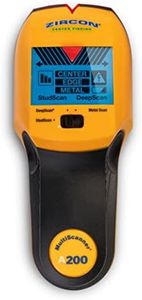
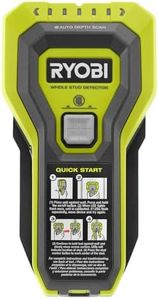
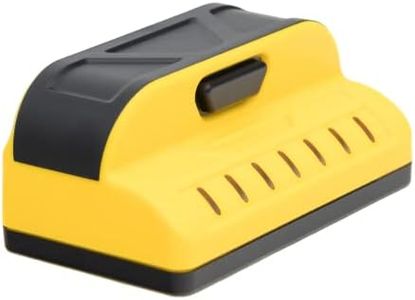
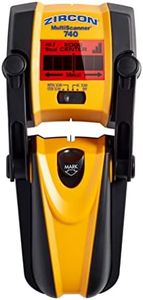
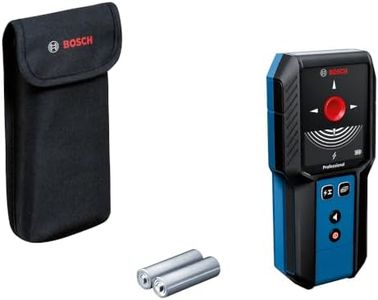

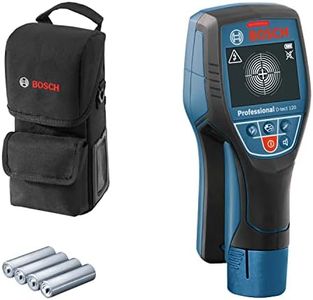
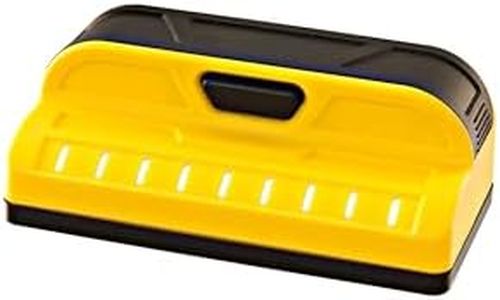
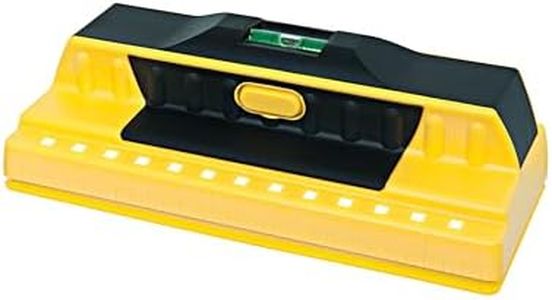
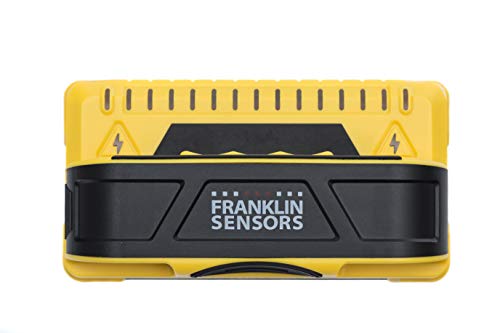
Buying Guide for the Best Stud Finder For Plaster Walls
Choosing a stud finder for plaster walls can seem tricky, but understanding how these tools work and what features matter can help you pick the right one for your needs. Plaster walls are different from drywall; they can have wire mesh or lath behind them, which makes locating studs harder. The best stud finder for plaster should reliably detect wooden studs behind these surfaces, giving you confidence when hanging heavy items or carrying out renovations. Knowing the main features and considering how you intend to use the tool will help you make an informed choice.Detection technologyDetection technology refers to how the stud finder senses what’s behind your wall. The main types are magnetic and electronic. Magnetic stud finders locate screws or nails in studs using a magnet, while electronic stud finders detect density changes in the wall. For plaster walls, electronic finders are often more effective because plaster and lath can throw off magnetic readings. Consider electronic models if you regularly work with thick or older plaster, but a magnetic tool might be adequate for basic, occasional tasks or if the walls have wooden lath without much metal.
Depth capabilityDepth capability indicates how deep behind the surface a stud finder can accurately sense. Plaster walls can be much thicker than drywall, sometimes over an inch due to both plaster layers and lath. Look for a stud finder that works at greater depths, especially if your home is older or has thick walls. Some devices allow you to switch depth modes. Pick a tool with a depth range matched to your walls: shallow detection works for thin walls, but a model with a high maximum depth is necessary for dense or older plaster.
Wire/metal detectionWire and metal detection is a feature that lets the stud finder locate live wires or metal pipes within the wall. This is particularly important in plaster walls, which often contain embedded wires or metal lath. Accidentally drilling into these can be dangerous. If you plan on drilling holes or mounting heavy objects, choose a stud finder with wire and metal detection to make your work safer and reduce risk of damage.
Ease of use and displayEase of use and the type of display can significantly impact your experience. Some stud finders use simple indicator lights, while others have digital screens and offer clearer feedback about stud locations, detection depth, or alert you to wire presence. If you are less experienced, a clear digital display can help avoid mistakes and build your confidence, while more basic models may suit those familiar with construction or who want a simple tool for infrequent use.
Calibration processCalibration refers to how the stud finder sets itself up to accurately read your wall. Some devices require manual calibration every time they're used, while others self-calibrate. For plaster walls that vary in thickness and material, ease of calibration can save time and frustration. A tool with automatic or simplified calibration makes it easier for beginners and ensures consistent results, especially if you have multiple wall types in your home.