10 Best Surveillance Binoculars
From leading brands and best sellers available on the web.By clicking on a link to a third party's website, log data is shared with that third party.
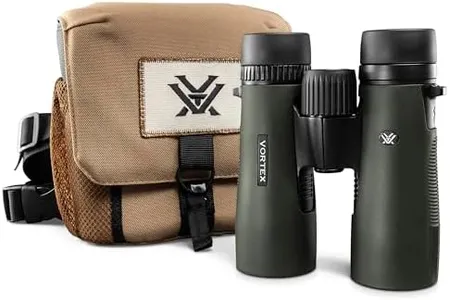
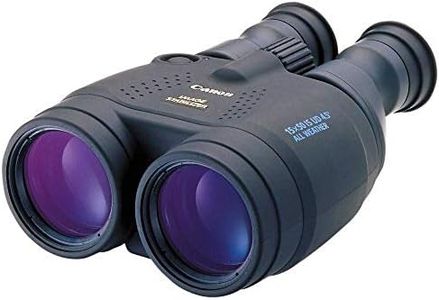
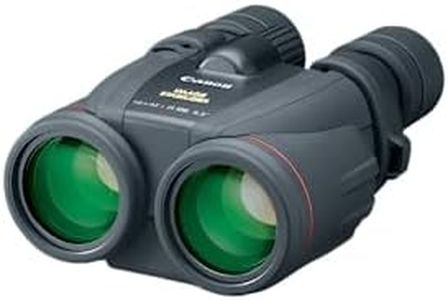
Related Products
Up to 19% off

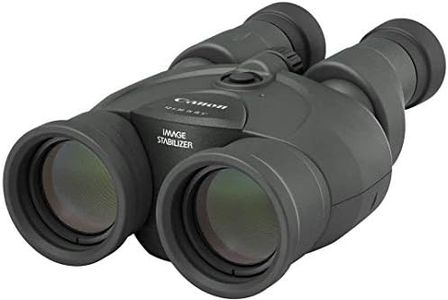
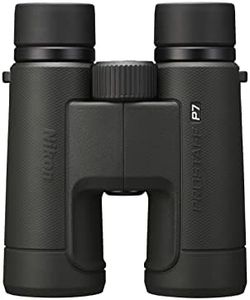
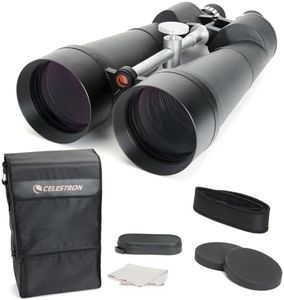
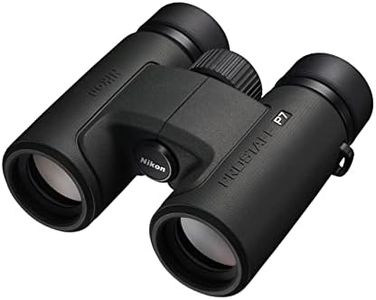
Recommended lists

Top rated
Binoculars
Buying Guide for the Best Surveillance Binoculars
Choosing surveillance binoculars is all about understanding your intended use and matching features to your needs. Whether you want to observe wildlife, watch distant landscapes, or keep track of activity from a discreet location, the right binoculars can make a big difference. Begin by thinking about how far you’ll need to see, what lighting conditions you’ll be in, how portable the binoculars need to be, and if you might require features to help you remain unnoticed.MagnificationMagnification tells you how much closer the binoculars can make objects appear. For example, a magnification of '10x' means the object appears ten times closer than it does to the naked eye. Higher magnifications let you see more detail at longer distances, but they also make your view shakier and can reduce your field of view. Binoculars with 7x to 10x magnification are common for handheld use, with 12x or higher suitable for deeper observation but often needing a tripod. Consider what you're observing and how steady your hands are—lower magnification is best for scanning large areas and easier mobility, while higher is for focusing on specific, far-off subjects.
Objective Lens DiameterThe objective lens diameter, usually given in millimeters (the second number on binoculars like '10x42'), determines how much light the binoculars can gather. Larger diameters let in more light for brighter images, especially useful in low-light conditions like dusk or nighttime surveillance, but make the binoculars heavier and bulkier. A diameter of 32-42mm is often a good balance between brightness and portability. If you need to conduct surveillance in dim settings or at night, opt for the higher end of this range, otherwise, a smaller size will be easier to carry.
Field of ViewThe field of view is the width of the area you can see through the binoculars at a certain distance, usually measured in feet at 1,000 yards or in degrees. A wider field lets you scan larger areas and follow moving objects more easily, which is helpful for surveillance. However, higher magnification usually reduces your field of view. If you need to watch wide areas or track moving subjects, a larger field of view is beneficial. For focusing on a specific stationary point, a narrower view will suffice.
Prism TypeThe prism type influences the size, shape, and image quality of your binoculars. The two main types are roof prisms and Porro prisms. Roof prisms make binoculars more compact and streamlined, which is good for portability and discreet use. Porro prisms tend to offer slightly better depth perception and a wider field of view but are bulkier. If you need something lightweight and easy to conceal, choose roof prism binoculars; if highest image depth and a broad view matter more (and bulk isn't a concern), Porro prism is worth considering.
Low Light and Night Vision CapabilityFor surveillance in low light or nighttime, this feature is critical. Some binoculars have built-in night vision or are designed with larger lenses and special coatings to help you see in dim conditions. Night vision binoculars use electronic amplification to allow vision in almost complete darkness. If you plan to observe at night or in deep shade, prioritize models with night vision or superior low-light performance.
Size and WeightThe overall size and weight of the binoculars affect how comfortable they are to carry and use for extended periods. Compact binoculars are lighter and easier to carry discreetly but may have smaller lenses and lessen image brightness. Larger binoculars may offer better image quality but are bulkier and more conspicuous. Think about how long you'll be holding them, whether you need to move quickly or stay undetected, and choose a size that matches your comfort needs without sacrificing necessary features.
Durability and Weather ResistanceSurveillance often happens outdoors, so binoculars should be able to withstand varying weather conditions. Waterproof or water-resistant models are ideal if you’ll be outside in rain or humidity. Rubber armor provides extra protection from drops and helps with grip. If you expect to use your binoculars in tough environments or bad weather, prioritize sturdy, weather-resistant construction for long-term reliability.
Discreet FeaturesFor some surveillance needs, being inconspicuous is key. Look for binoculars with matte finishes, compact designs, and quiet focusing mechanisms. These aspects help you blend in and avoid drawing attention while observing. If discretion is important to your surveillance activity, focus on models that are purpose-built to avoid glare, noise, and excessive bulk.