10 Best Suspension Seat Posts
From leading brands and best sellers available on the web.By clicking on a link to a third party's website, log data is shared with that third party.
Related Products


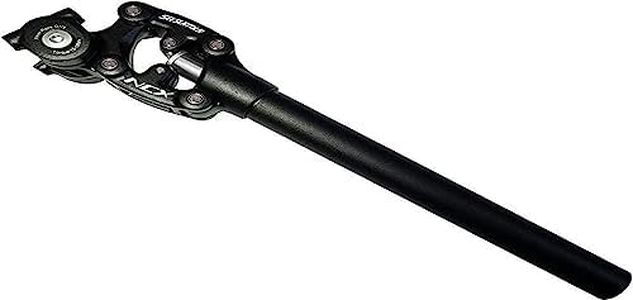

Buying Guide for the Best Suspension Seat Posts
Choosing a suspension seat post for your bicycle is all about improving riding comfort, especially over rough or bumpy terrain. A suspension seat post helps to absorb shocks and vibrations from the road or trail, making your ride smoother and reducing fatigue. When shopping for one, it's important to consider the specs that matter most to your comfort, riding style, and the type of bike you have. By understanding what each feature does and matching it to how and where you ride, you’ll be able to find the ideal seat post that enhances your cycling experience.Suspension TravelSuspension travel refers to how much the seat post can move up and down to absorb shocks. More travel means the seat can move further, absorbing bigger bumps, while less travel means a firmer, more efficient ride on smoother surfaces. Generally, short travel (about 20-40mm) works well for city commuters and road cycling, providing comfort without sacrificing pedaling efficiency. Medium travel (40-60mm) suits mixed terrain or gravel use, balancing comfort and performance. Long travel (over 60mm) is best for off-road, mountain biking, or riders seeking maximum cushiness over harsh conditions. Think about where you usually ride: if it's mostly smooth roads, less travel might be ideal; if you face a lot of bumps, consider more.
Suspension MechanismThe suspension mechanism describes how the seat post absorbs shocks. Common types are spring-based, elastomer-based (using rubbery inserts), and air or hydraulic damped systems. Spring mechanisms are simple and affordable, best for riders seeking basic comfort. Elastomer-based posts are quieter and absorb small vibrations well, great for daily commuters or touring cyclists. Air and hydraulic systems allow fine-tuning and smoother action, catering to performance and off-road users. To pick the right one, consider how much adjustment you want or need, and whether you prioritize simplicity or maximum performance.
Diameter and LengthDiameter and length are crucial because your new seat post must fit your bike. Most bikes have a specific seat tube diameter, usually measured in millimeters. Common diameters include 27.2mm, 30.9mm, and 31.6mm. The length should be long enough to allow for your preferred riding height while staying within safe minimum insertion lines. Always check your current seat post or bike manual for these measurements to ensure compatibility. Getting the right size is essential for safe and effective suspension performance.
Adjustment Range and PreloadAdjustment range or preload refers to how much you can tune the suspension to match your weight and riding preference. Some seat posts offer knobs or tools to adjust spring tension or preload, while others may not. Being able to fine-tune this lets heavier riders prevent bottoming out, and lighter riders avoid a stiff feel. If your needs change (carrying bags, riding harder terrain), adjustability is valuable. If your weight and riding conditions stay consistent, a preset system can be fine.
WeightThe weight of the seat post affects how heavy your bike feels overall. Lightweight options exist for racers and those looking to keep their ride nimble, while heavier posts may offer more travel or durability. If you prioritize speed and agility, choose a lighter suspension post. For most casual riders, a few extra grams are not noticeable, and comfort should come first.
Maintenance NeedsDifferent suspension seat posts require varying amounts of upkeep. Simpler spring or elastomer models usually require little to no maintenance, while air or hydraulic systems may need occasional checks and servicing. If you prefer a 'set and forget' approach, opt for a simple design. If you enjoy tinkering or demand peak performance, be prepared for occasional maintenance.