10 Best swim belts
From leading brands and best sellers available on the web.By clicking on a link to a third party's website, log data is shared with that third party.
Related Products
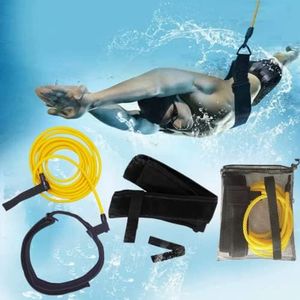

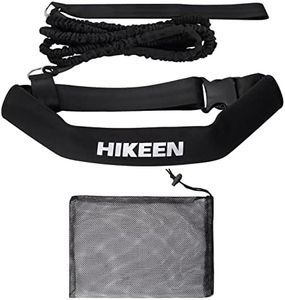
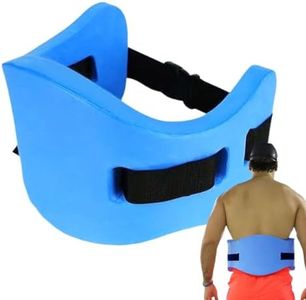
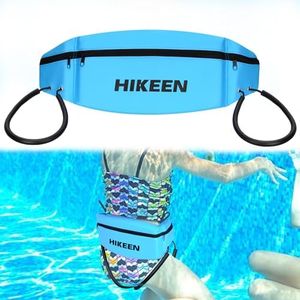
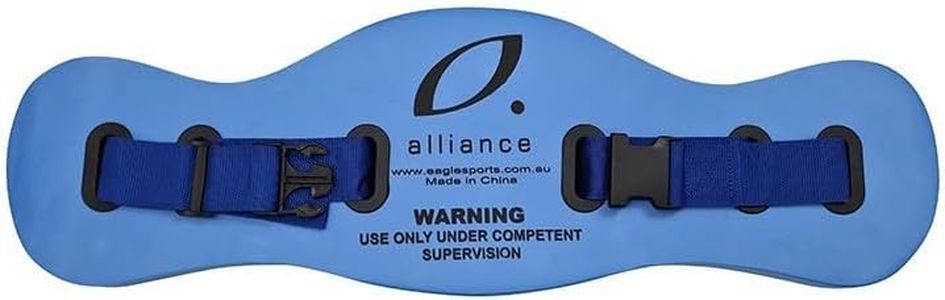
Buying Guide for the Best swim belts
When choosing a swim belt, it's important to consider what you want to achieve with it. Swim belts are mainly used for swim training, water aerobics, rehabilitation, and helping beginners stay afloat. The right belt can enhance your training, provide safety, and make your water activities more enjoyable. Understanding the key features can help you choose a belt that matches your needs and comfort levels.BuoyancyBuoyancy refers to how much support the swim belt provides to keep you afloat. This is important because the belt needs to provide enough floatation to support your body during swimming or exercise activities. Light buoyancy belts are suitable for confident swimmers or for resistance training, while higher buoyancy belts are better for beginners or those who need more support. Consider your swimming ability and the type of activity to decide whether you need a belt that provides minimal support for unrestricted movement, or one that offers maximum floatation to help you stay above water easily.
MaterialThe material of the swim belt affects its comfort, durability, and resistance to water or chemicals such as chlorine. Most swim belts are made from EVA foam, neoprene, or other water-resistant materials. EVA foam is lightweight and provides good buoyancy, while neoprene is softer and may feel more comfortable on the skin, but can be slightly heavier. If you have sensitive skin, prioritize softer materials. If you want a longer-lasting belt for intensive or daily use, opt for durable, high-quality foam.
AdjustabilityAdjustability is about how well the swim belt can fit different waist sizes. An adjustable belt is important for getting a secure and comfortable fit, which keeps the belt in place during use. Some belts have simple snap buckles or Velcro, while others offer straps that can be easily lengthened or shortened. If you anticipate sharing the belt among family members or using it over various layers of swimwear, look for one with a wider range of adjustment.
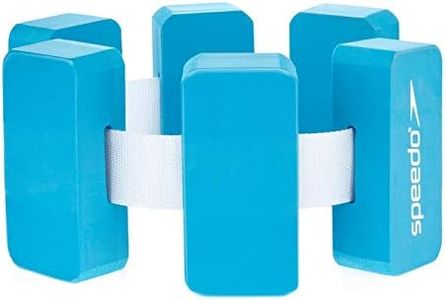
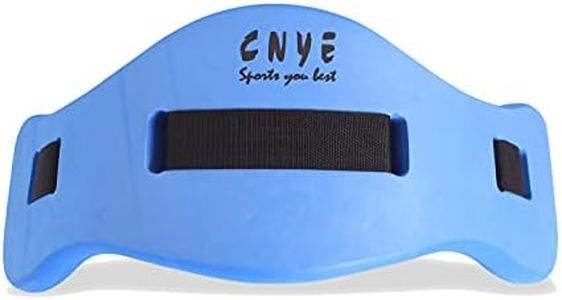
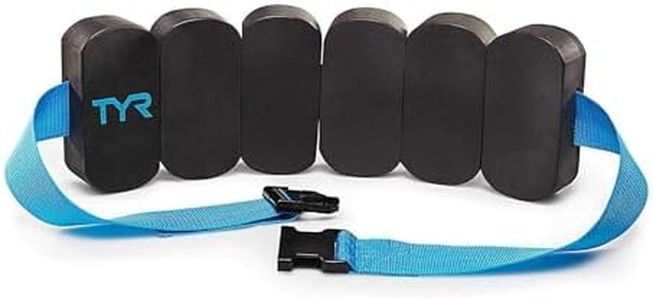
Number and Shape of Floatation BlocksSome swim belts use several blocks or panels to provide floatation, while others use a single piece. The number and shape of these floatation blocks affect how the belt conforms to your body and how evenly it supports you in the water. Multiple blocks can allow for more flexibility and a closer fit, while a single, solid piece may give more stable support. Think about whether you prefer a snugger fit and greater mobility, or maximum stability and support.
Purpose of UseSwim belts are used for different activities: training, rehabilitation, learning, or fitness. The nature of your activity should guide your choice. For example, water aerobics might benefit from a belt with more comfort and flexibility, while swim training might require minimal drag and a stable fit. If the belt is for learning to swim, higher buoyancy and secure fit become more important. Always consider what you mostly want to do in the water, as this will help you pick out the features that matter for your specific use.