9 Best Table Saw
From leading brands and best sellers available on the web.By clicking on a link to a third party's website, log data is shared with that third party.
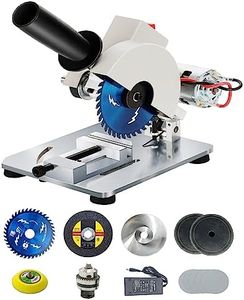
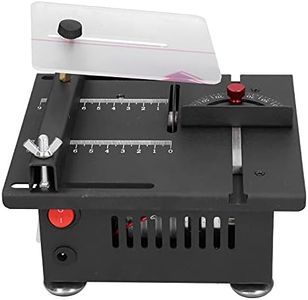
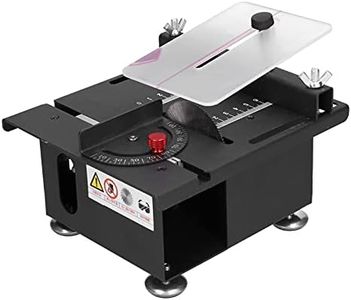
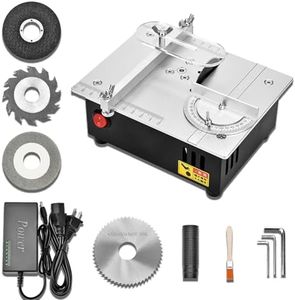
Recommended lists

Top rated
Table Saws
Buying Guide for the Best Table Saw
Choosing the right table saw is all about matching the tool to your actual needs and space. Table saws are versatile woodworking tools, but there are several types and features that can make a big difference in performance, safety, and ease of use. Think carefully about what kinds of projects you plan to tackle, the size of wood you’ll work with, and your working area before making a choice.Saw TypeTable saws come in several types, such as benchtop, contractor, cabinet, and hybrid. This spec refers to the general size, weight, power, and intended use of the saw. Benchtop saws are lightweight and portable, ideal for small jobs or users with limited space, but they may lack power for thick wood. Contractor saws offer a balance of portability and power, good for those who move the saw but also need to handle larger projects. Cabinet saws are heavy, powerful, and meant for professional workshops, best for demanding or frequent use. Hybrid saws try to combine cabinet-like power with contractor-like mobility. Think about your workspace size, how often you’ll move the saw, and the amount of heavy-duty cutting you’ll do.
Blade SizeThe blade size, usually measured in inches, determines the maximum depth and width of cut the saw can handle. Most commonly, you’ll see 10-inch and sometimes 12-inch blades. A bigger blade lets you cut thicker wood, which is useful for larger projects, but it may not be necessary for lighter or everyday use. For most general woodworking, a 10-inch blade is sufficient, while heavier work may require a 12-inch blade.
Rip CapacityRip capacity is the maximum width of cut from the saw blade to the furthest edge of the fence. It tells you how wide a piece of wood you can safely cut. Smaller table saws may have a rip capacity around 18-24 inches, ideal for smaller boards, while larger saws can have over 30 inches, allowing you to rip full sheets of plywood. Assess what sizes of material you plan to work with regularly—if you anticipate needing to cut large panels, a higher rip capacity will be essential.
Motor PowerMotor power, usually rated in horsepower (HP) or amps, affects how easily the saw can cut through wood, especially thicker or harder types. Smaller, portable saws may have motors under 2 HP, sufficient for basic, occasional work. Mid-range saws often feature motors in the 2-3 HP range, balancing portability and capability, while cabinet saws with 3+ HP can handle dense hardwoods and frequent use without bogging down. Think about the types and thicknesses of wood you’ll cut most often and choose power accordingly.
Dust CollectionDust collection refers to the saw's ability to capture sawdust and keep your workspace clean. Some saws have built-in ports to connect to shop vacuums or dedicated dust collection systems, while others have minimal or no dust management. Efficient dust collection is very important for health and safety, as sawdust can be harmful to breathe, and it keeps your area tidy. Look for saws with larger, well-placed dust ports if you work indoors or do lots of cutting.
Fence QualityThe saw’s fence is the guide that keeps wood straight as you push it through the blade. A sturdy, easy-to-adjust fence ensures precise, repeatable cuts, which is crucial for accurate woodworking. Some fences lock securely in place and glide smoothly, while cheaper fences may flex or go out of alignment. If accuracy matters to you, look for a saw with a stable, high-quality fence, especially if you plan to do fine woodworking or cabinetry.
Safety FeaturesModern table saws often include safety features like blade guards, riving knives, anti-kickback pawls, and sometimes advanced safety sensors. These help reduce the risk of accidental injuries, such as kickback or contact with the blade. If you’re new to using a table saw, or value safety above all, prioritize saws with effective, easy-to-use safety mechanisms. Consider how comfortable you are with power tools and whether other users may need extra protection.
PortabilityPortability describes how easy it is to move and store the saw. Some saws have wheels or foldable stands, making them ideal if you need to pack up your workspace often or take the saw to job sites. Heavier saws are more stable and powerful but aren’t meant to be moved frequently. Base your choice on whether your saw will mostly stay in one place or needs to travel with you.