10 Best Tattoo Transfer Papers
From leading brands and best sellers available on the web.By clicking on a link to a third party's website, log data is shared with that third party.
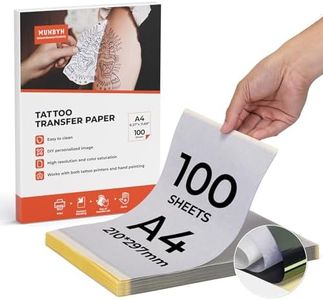
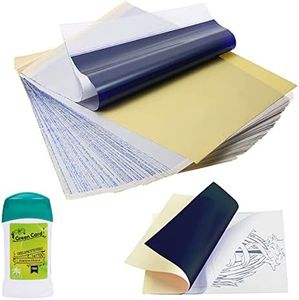
Related Products


Buying Guide for the Best Tattoo Transfer Papers
Selecting the right tattoo transfer paper is crucial for both professional tattoo artists and enthusiasts who want to ensure their designs are transferred cleanly and accurately onto the skin. Tattoo transfer paper acts as an intermediary, allowing you to stencil your design onto the skin before starting the actual inking. It’s important to consider the type of transfer paper and its compatibility with your tools and workflow, as well as the clarity and durability of the transfer. Understanding the different features of tattoo transfer papers can help you make an informed decision and achieve the best possible outline for your tattoo work.Type of Transfer PaperTattoo transfer papers generally come in two types: thermal (or hectograph) and manual tracing. Thermal papers are used with thermal copiers, while manual tracing sheets work well for hand drawing. Knowing the difference is important because it determines how you’ll apply your design to the paper and ultimately to the skin. If you plan to use a stencil machine/thermal copier, choose thermal paper. If you are drawing by hand, opt for manual tracing paper. The right choice here aligns with how you plan to create and transfer your stencil.
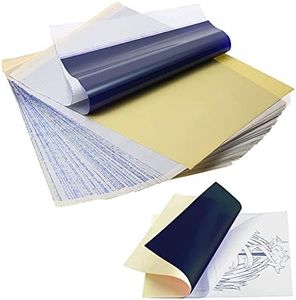
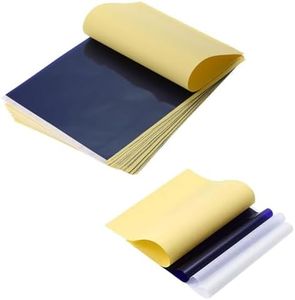
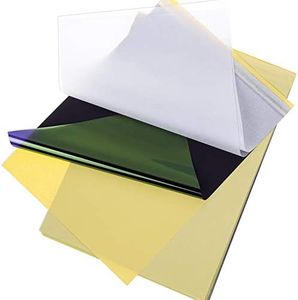
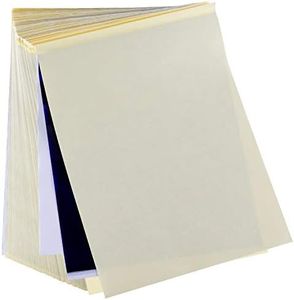
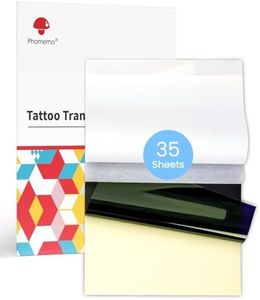
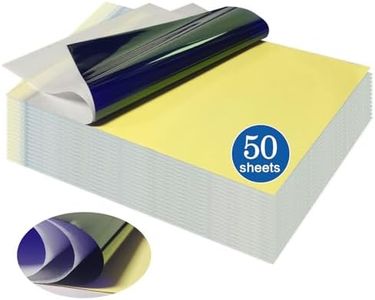
Number of LayersTransfer papers are typically composed of multiple layers: a top sheet for copying the design, one or two middle sheets for transferring ink, and a yellow backing sheet. The standard is usually four layers. Understanding the layer count is essential because each layer serves a function in the transfer process. Most tattoo artists use four-layer papers as they offer better clarity and reduce slipping, but for simple personal use, even three-layer options may suffice. Choose according to the level of detail you need in your design transfers.
Paper SizeThe size of the transfer paper determines the maximum dimension of your tattoo stencil. Common sizes include letter (8.5x11”) and A4. Paper size matters if you often work on large tattoos or need multiple designs on a single sheet. For bigger, more intricate tattoos or for artists who want to prepare many stencils at once, go for larger sheets. If you usually work on smaller tattoos or have limited space, standard sizes will do.
Clarity of TransferClarity refers to how sharply and accurately the design is transferred from the paper to the skin. High-clarity papers allow for easier and more precise tattooing, while lower quality might result in blurry or incomplete lines. For detailed designs, always look for paper that is well-reviewed for clarity. If you're just starting out or working on basic tattoos, moderate clarity may be acceptable, but professionals should always prioritize crisp, clear transfers.
Skin CompatibilitySome tattoo transfer papers may contain chemicals or dyes that can irritate sensitive skin. It’s important to consider if you or your clients have skin sensitivities or allergies. Papers labeled as hypoallergenic or safe for sensitive skin are better for those concerns. If you're unsure or work with a wide range of clients, it’s safer to choose products designed for universal skin compatibility.
Ease of UseSome transfer papers are easier to use, requiring less pressure or fewer steps to get a clear stencil. This can be especially important for beginners or those working quickly in a busy environment. Papers that tear easily, require complicated preparation, or don’t work well with your chosen transfer method can slow you down. If you’re a beginner or want hassle-free application, opt for papers specifically described as ‘easy to use’ or rated highly for straightforward application.