10 Best Thru Wall Exhaust Fans
From leading brands and best sellers available on the web.By clicking on a link to a third party's website, log data is shared with that third party.
Related Products
Up to 33% off
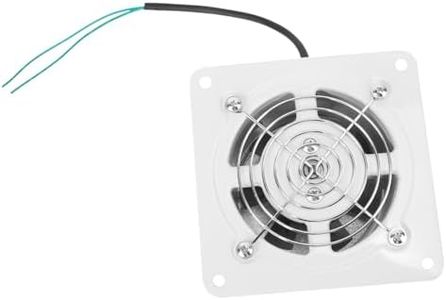
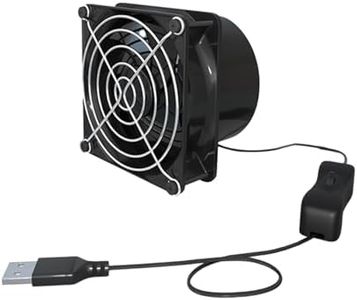
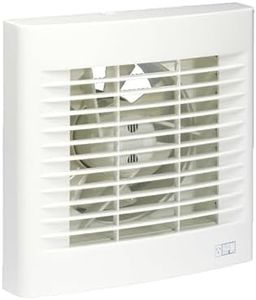
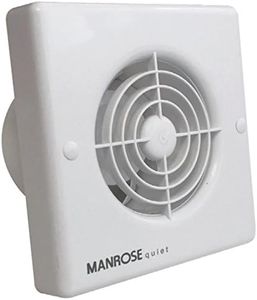
Buying Guide for the Best Thru Wall Exhaust Fans
Choosing a thru-wall exhaust fan can make a significant difference in improving the air quality in spaces where proper ventilation is needed, such as bathrooms, kitchens, or laundry rooms. These fans are designed to push stale, humid, or odorous air outside, helping maintain a fresh and healthy indoor environment. Picking the right exhaust fan means considering both the features of the fan and the needs of your specific space.Airflow (CFM)CFM stands for Cubic Feet per Minute and measures how much air the fan can move in one minute. This is a crucial spec because it directly affects how fast and efficiently the exhaust fan can remove air from your room. Lower CFM values (like under 70) are suitable for small rooms or spaces with minimal moisture, while mid-range values (70–120) work well for average-sized bathrooms or kitchens, and higher CFM ratings (above 120) are necessary for large spaces or rooms with high moisture and odor. You should match the CFM rating to the size of your room; if you aren’t sure, bigger spaces or more intense usage call for higher numbers.
Sones (Noise Level)Sones measure how loud the fan will be when it's running. This is important because a noisy exhaust fan can be bothersome, especially in quiet rooms or spaces you use often. Lower sones (under 1.5) indicate a very quiet fan, suitable for bedrooms or bathrooms where you want minimal disturbance. Fans with higher sones (above 2.0) can be noticeably louder, which might be acceptable in utility rooms or garages but less so in living spaces. Consider your tolerance for noise and where the fan will be installed when deciding what noise level is right for you.
Duct Compatibility and SizeThe duct size refers to the diameter of the vent pipe the exhaust fan connects to, such as 4-inch or 6-inch ducts. Proper duct sizing is important because it affects how efficiently air is expelled and prevents backflow into your room. Smaller ducts are easier to install but may limit airflow, while larger ducts support higher CFM and reduce noise. Pick a fan that matches your existing ductwork, or if starting from scratch, choose based on the size and length of ducting you can accommodate.
Installation Depth and Wall ThicknessThru-wall fans need to fit your wall’s thickness so they can seal properly and work efficiently. Most fans have an adjustable range, but it’s important to measure your wall before purchase. If your wall is too thick or too thin for the fan, you may have trouble installing it securely or it may not perform as expected. Choose a model that fits your specific wall dimensions for the best result.
Backdraft DamperA backdraft damper is a built-in flap or mechanism that stops outside air, insects, or debris from coming back into your home when the fan is off. This spec matters for energy efficiency and comfort, by keeping unwanted drafts and pests out. If you live in a windy or cold area, a good backdraft damper is especially important. Check whether the fan includes one or if you’ll need to install it separately.
Weather Resistance and Exterior HoodBecause these fans run through your exterior wall, it’s important that the outer part of the fan is weather resistant, keeping rain, snow, and wind from coming inside. Exterior hoods can also protect the fan opening. If your exhaust fan will face harsh weather, make sure it is designed for outdoor exposure, with durable materials and a sealing hood.
Energy EfficiencyEnergy-efficient fans use less electricity for the same amount of airflow, helping you save on power bills and making your home more eco-friendly. Look for certifications or features that indicate low energy usage. Energy efficiency is more important if the fan will be running for long periods, or if you are concerned about your environmental impact.