10 Best Tile Leveling Systems
From leading brands and best sellers available on the web.By clicking on a link to a third party's website, log data is shared with that third party.
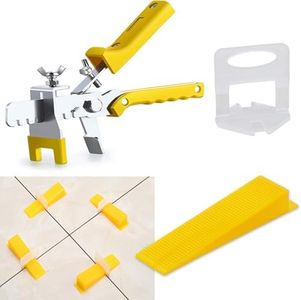
Related Products

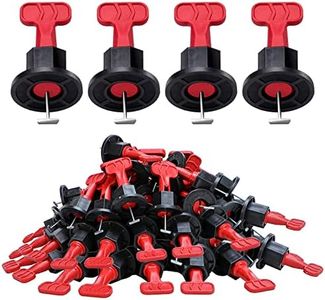
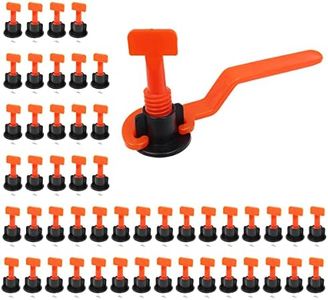
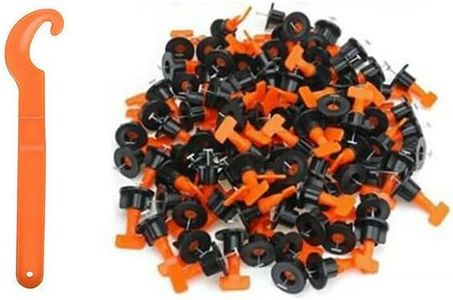

Buying Guide for the Best Tile Leveling Systems
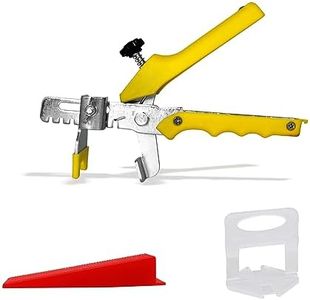
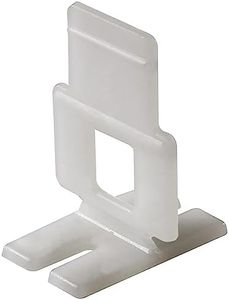
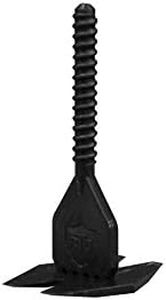
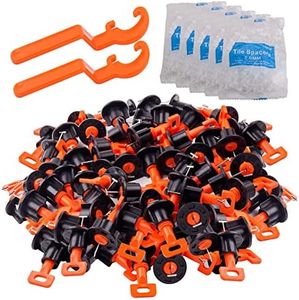
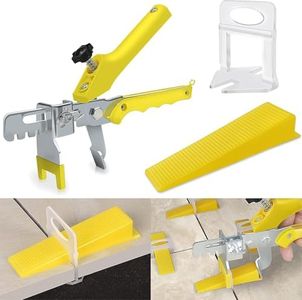
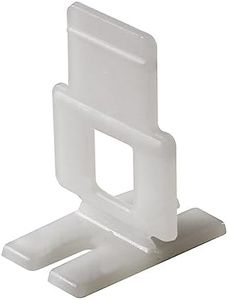
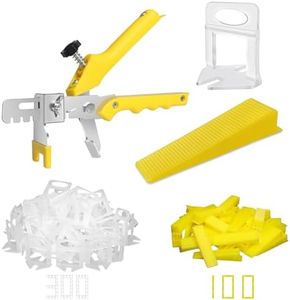
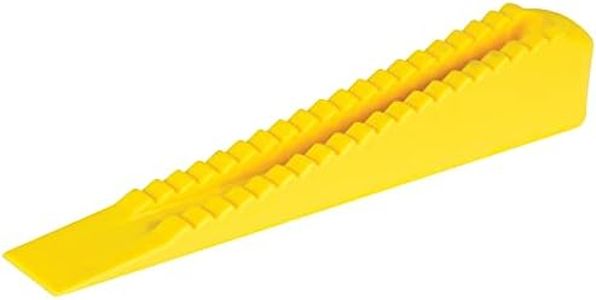
Choosing the right tile leveling system can make a big difference in how easy and smooth your tile installation project turns out. These systems help prevent tiles from slipping out of place and keep the surfaces even, which means your floors or walls will look professional and last longer. The main things to focus on are how the system works, how easy it is to use, and whether it fits the type and thickness of the tiles you plan to install. Understanding a few key specifications can help you select a system that matches your project and skill level.Type of Leveling SystemTile leveling systems generally come in two main types: clip-and-wedge systems and screw-cap systems. The type indicates how the system holds the tiles steady and how the user tightens or adjusts the tiles into place. Clip-and-wedge systems use a plastic clip that slides under the tiles and is tightened with a wedge, while screw-cap systems use a reusable cap that screws down onto the spacer to push tiles into alignment. For small, simple projects, clip-and-wedge setups are often quick and user-friendly. For larger or more precision-focused projects, screw-cap systems might provide more consistent results. Pick the system type that matches the size of your project and your comfort with the tools involved.
Tile Thickness CompatibilityThis spec tells you the thickness range of tiles the system can handle effectively. Most leveling systems specify a minimum and maximum tile thickness they are compatible with. Thin ceramic tiles typically need a system suited for tiles of 3-10mm, while thicker porcelain or stone tiles may need a system that accommodates 6-20mm or more. Always check your tile’s thickness and ensure the system you pick matches this; using the wrong range can lead to poor performance or even damage.
Joint Width SupportJoint width refers to the space between the tiles, which will eventually be filled with grout. Tile leveling systems come with different size spacers to help maintain consistent joint widths, often ranging from 1mm to 5mm. When selecting, think about the look you want: narrow joints offer a more seamless finish, while wider joints are better for rustic tiles or areas allowing for more movement. Always pair your tile style and the recommended grout line with a system that matches the right spacer size.
Ease of RemovalAfter your tiles are set and the adhesive has cured, the leveling system needs to be removed. Some systems break off cleanly with a rubber mallet or by hand pressure, while others require unscrewing or a specific tool. For DIY users or first-timers, systems designed for easy, tool-free removal can make finishing the job less stressful and reduce the risk of damaging the tile edges. Consider how comfortable you are with the removal process, and choose a system that fits your skill level and patience.
ReusabilityThis specification indicates whether parts of the system can be reused or if everything is single-use. Clip segments are typically one-time use, while wedges or caps are sometimes reusable. If you plan to tile several rooms or anticipate future projects, a system with reusable pieces can save you effort in the long run. For a one-time job, a single-use system may offer more convenience and require less upfront understanding. Think about your future needs before making a choice.