10 Best Topical Dog Flea Treatment
From leading brands and best sellers available on the web.By clicking on a link to a third party's website, log data is shared with that third party.
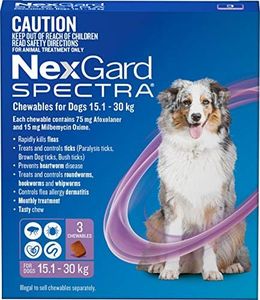
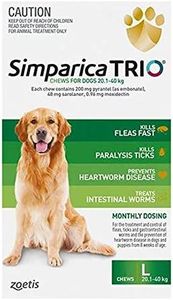
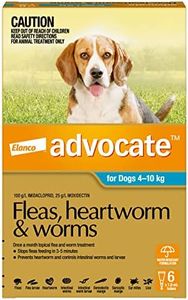
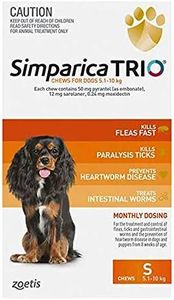
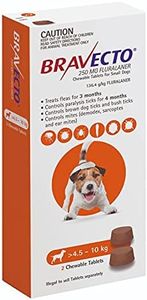
Related Products
Up to 41% off
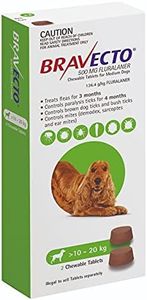
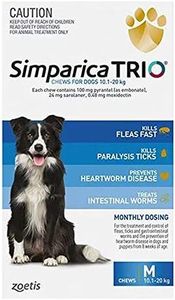
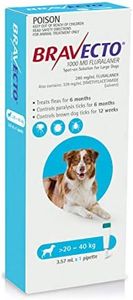
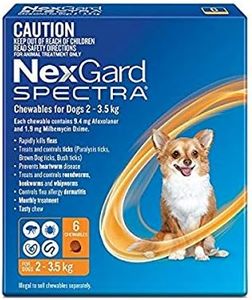
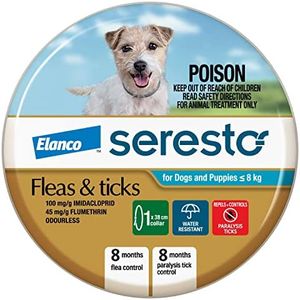
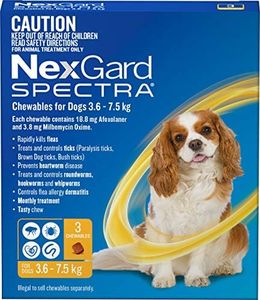
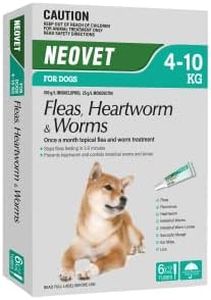
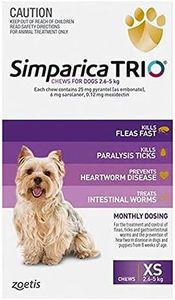
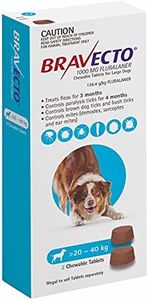
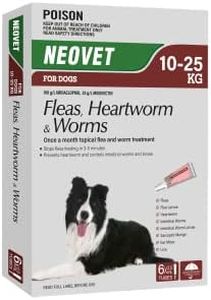
Recommended lists


Buying Guide for the Best Topical Dog Flea Treatment
Choosing a topical dog flea treatment is an important decision for your pet’s health and comfort. Topical treatments are applied directly to your dog's skin, usually between the shoulder blades, and are designed to kill fleas and sometimes other pests like ticks. Because every dog has unique needs based on their size, age, environment, and health status, it's important to read labels carefully and match the product to your dog's circumstances. Always follow the application guidelines and consult your veterinarian if you're ever in doubt, especially if your dog has underlying health issues or sensitivities.Active ingredientsActive ingredients are the chemical compounds in the flea treatment that actually kill or repel the fleas. This is important because different active ingredients can target different types of pests, and some dogs may react differently to certain chemicals. You will often find ingredients like fipronil, imidacloprid, or selamectin. Some are fast-acting but short-lived, while others provide longer-lasting protection. If your dog has sensitive skin or allergies, or if you are concerned about chemical exposure, consult a vet to find an ingredient that’s safe and effective for your pet.
Coverage spectrumCoverage spectrum refers to which pests the topical treatment protects against. While the primary target is usually fleas, some products also protect against ticks, lice, and mites. Some even guard against mosquito bites. If your dog spends a lot of time outdoors or in tick-heavy areas, it’s wise to choose a product with broad coverage. However, if fleas are your only concern, sticking to a flea-only formula can sometimes reduce the risk of side effects.
Duration of effectivenessDuration of effectiveness indicates how long the treatment lasts after application, which is important for ongoing protection and convenience. Most topical treatments protect for about 30 days, but some may last a little longer or require more frequent application. If you prefer less frequent treatments or have trouble remembering monthly applications, look for products with extended efficacy. For areas with heavy flea infestations, shorter intervals might be more effective at breaking the flea life cycle.
Weight and age suitabilityWeight and age suitability ensures that the product is safe for your dog’s particular size and age. Topical treatments are usually formulated with specific dosages for different weight ranges (small, medium, large dogs), and there are often minimum age requirements. Choosing the right version for your dog’s weight and age is crucial to avoid overdosing or underdosing, both of which can be ineffective or unsafe. Always check the product label and err on the side of caution, especially with puppies or older dogs.
Water resistanceWater resistance describes how well the treatment stays effective if your dog gets wet due to bathing or swimming. Some products lose their power when washed off, while others are designed to withstand occasional baths or rain. If your dog loves water or needs regular baths, make sure to pick a treatment labeled as waterproof or water-resistant to ensure continuous protection.
Speed of actionSpeed of action is about how quickly fleas are killed after the treatment is applied. Some products begin to work within a few hours, while others may take a couple of days. For dogs already suffering from a serious flea problem, a faster-acting option can bring comfort sooner and help control infestations more effectively. For maintenance or prevention, speed might be less critical.