8 Best Trail Cameras Without Flash
From leading brands and best sellers available on the web.By clicking on a link to a third party's website, log data is shared with that third party.
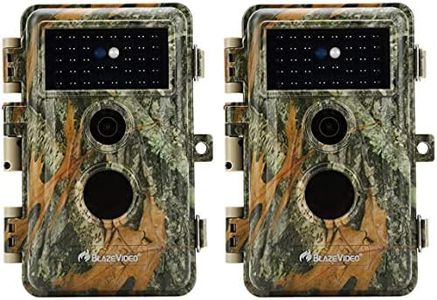
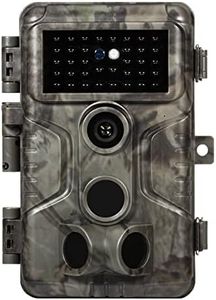
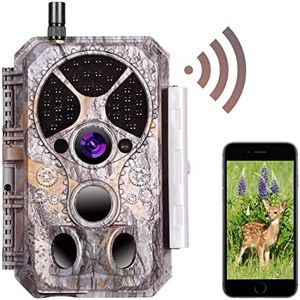
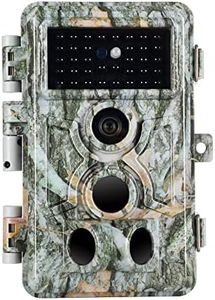
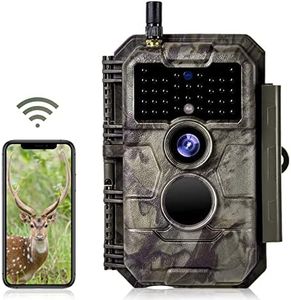
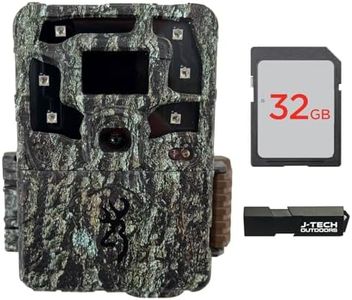
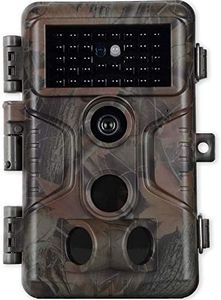
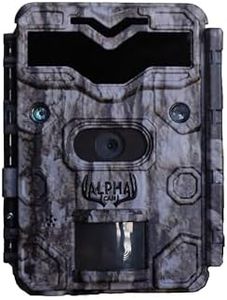


Buying Guide for the Best Trail Cameras Without Flash
When you're looking to buy a trail camera without flash, it's important to consider what you'll be using it for, such as wildlife monitoring, security, or hunting. Trail cameras without a traditional flash are designed to capture images discreetly, so animals or people are less likely to notice or be disturbed by the camera. These cameras use different technologies to stay unobtrusive at night, so it's key to understand the main features and how they will affect your recordings. Think about where you'll mount your camera, what kind of images you hope to capture, and how you plan to access the footage. Focusing on the right specs will help ensure that you pick a camera that meets your needs and works reliably in your environment.No-Glow or Low-Glow Infrared LEDsTrail cameras without visible flash generally use infrared LEDs to illuminate the scene in darkness. No-glow cameras use LEDs that emit light at a wavelength invisible to people and animals, making them completely undetectable at night, which is ideal for the most discreet monitoring. Low-glow LEDs emit a faint red glow that is less noticeable than traditional flashes, but might still be seen if someone looks directly at the camera. If you value maximum stealth for wildlife or security purposes, look for no-glow infrared. If you don’t mind a bit of visible glow and possibly want a slightly brighter image, low-glow could be enough. Decide based on how sneaky your setup needs to be.
Image and Video ResolutionThis refers to the clarity and detail of the photos and videos the camera captures. Higher resolution means clearer images, which is better for identifying animals or people from a distance, but may require more storage space. Typical segments are basic (8-12MP), mid-range (14-20MP), and high (20MP+ or HD/Full HD video). Consider a higher resolution if your goal is to see fine details or print photos, or lower resolution if you just want to monitor movement or behavior and prioritize battery life.
Trigger SpeedTrigger speed is how quickly the camera starts taking a photo or recording when it detects movement. Faster trigger speeds (under 0.5 seconds) are good for catching fast-moving animals or anyone quickly passing by. Slower speeds might be fine for areas where subjects usually linger. Choose a faster trigger speed if your targets are active or skittish, or a slightly slower one if you’re monitoring feeders, dens, or relaxed subjects.
Detection RangeThis is the distance at which the camera’s sensor can detect movement and trigger a photo or video, which often differs from the effective range of its infrared LEDs. Shorter ranges (30-50 feet) suit tight or wooded spots, while longer ranges (up to 100 feet or more) are better for open spaces. Match the detection range to the area you’ll be observing: wide views need longer range, but for close-up animal trails or small clearings, a shorter range can work well.
Recovery TimeRecovery time measures how quickly the camera can take the next shot after it has just taken one. Shorter recovery times let you capture multiple events or fast-moving series, while longer times might mean you miss some action. If you expect lots of activity in your area, shorter recovery times are important. For locations with less movement, a longer recovery time may be acceptable.
Battery Life and Power OptionsHow long your trail camera can operate before you need to change or recharge batteries depends on battery type, camera settings, and environmental conditions. Some cameras allow external power sources or solar panels for longer use. If you won’t be able to check the camera often, prioritize longer battery life or additional power options. For spots where visits are frequent or easy, shorter battery life might not be an issue.
Memory and StorageTrail cameras typically use memory cards to store images and videos. The type and maximum size of card supported can affect how many files you can save before having to swap cards. If you plan to capture lots of photos or long videos, or if you won’t retrieve the camera often, choose a model that supports high-capacity memory cards. For occasional use in easy-to-access spots, smaller storage might be fine.
Weather ResistanceSince trail cameras are meant for outdoor use, check how well they can resist rain, dust, and temperature changes. Look for ratings or reviews about waterproofness or rugged casing. If you’ll use the camera in wet or harsh conditions, stronger weather resistance is essential. For milder locations, standard durability may suffice.