10 Best Trailer Wheel Bearings
From leading brands and best sellers available on the web.By clicking on a link to a third party's website, log data is shared with that third party.


Related Products
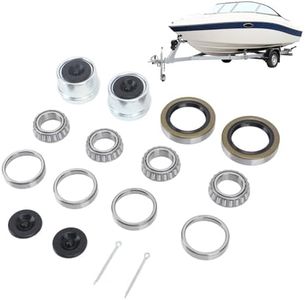
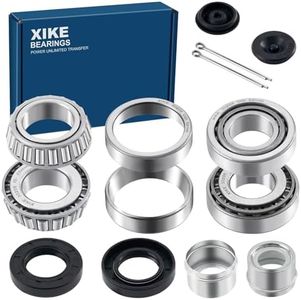
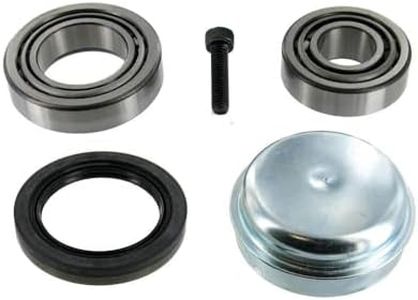
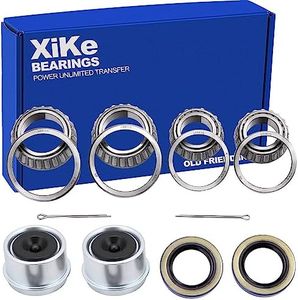

Recommended lists

Top rated
Trailer Wheel Lock
Buying Guide for the Best Trailer Wheel Bearings
When choosing trailer wheel bearings, it’s crucial to find the right match for your trailer’s size, weight, and operating conditions. Bearings ensure the wheels spin smoothly and safely carry your trailer's load. Getting the right bearings boosts safety, reduces wear, and minimizes the risk of breakdowns on the road. To pick the best option, you should know your trailer specifications and pay attention to a few key bearing attributes.Bearing SizeBearing size refers to the physical dimensions of the bearing, including the inner and outer diameter and the width. This is important because the bearing must fit precisely onto your trailer’s spindle and inside the hub. Bearings come in different standardized sizes, and using the wrong size can cause poor fit, overheating, or even wheel failure. To navigate bearing sizes, check your trailer’s manufacturer specifications or measure the current bearing’s dimensions. Different trailers—like utility, boat, or camper trailers—take different sizes based on wheel load and axle thickness. Always match the bearing size to your trailer’s spindle and hub requirements for safe and smooth operation.
Load RatingThe load rating shows how much weight the bearing can support, usually indicated in pounds or kilograms. It’s important because overloading a bearing can cause premature wear or even catastrophic failure. Load ratings vary—light duty bearings are used for small, light trailers, while higher rated bearings are needed for heavy-duty haulers or bigger trailers. To pick the right load rating, consider the gross weight of your loaded trailer and select bearings that can comfortably handle that weight. Make sure both bearings on each axle can support your trailer’s highest expected load for safe towing.
Sealing TypeTrailer bearings come with different types of seals, such as open, shielded, or sealed. The seal protects the internal parts from dirt, water, and debris while holding in the lubrication. Seals are especially important if you use your trailer in wet environments, like for boats, or on dusty roads. Open or minimally shielded bearings might be suitable for dry, paved towing, but sealed bearings offer better protection, reduce maintenance, and are preferred for harsher environments. Think about where and how you use your trailer—sealed bearings are best for those who want lower upkeep or plan to encounter moisture or dust.
Material QualityBearings are typically made from steel, but the type and quality of steel can impact durability and resistance to wear or corrosion. Some are made from standard steel, while higher-quality bearings may be made from hardened or stainless steel for better performance and longer life. For users who tow in normal conditions, standard quality will generally suffice, while those who use trailers frequently, for long distances, or in wet/salty conditions should consider higher-grade materials for longevity and reliability.
Compatibility with Lubrication SystemTrailer bearings can run with traditional grease packing or with an oil bath system, depending on the axle type and design. This affects maintenance requirements and performance. Grease-packed bearings are most common and work well for most trailers, while oil bath bearings offer easier inspection but are primarily for larger or commercial trailers. To choose, consider your trailer type and how much maintenance you’re comfortable doing. Most users stick with the lubrication system type compatible with their trailer's original equipment, but if you want less frequent service, consider systems suited for your usage patterns.