10 Best trampoline
From leading brands and best sellers available on the web.By clicking on a link to a third party's website, log data is shared with that third party.


Related Products
Up to 14% off


Buying Guide for the Best trampoline
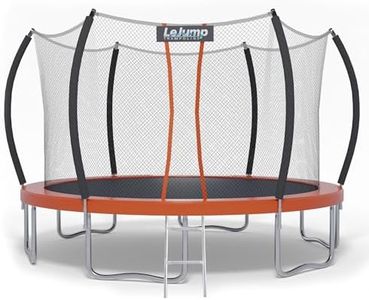
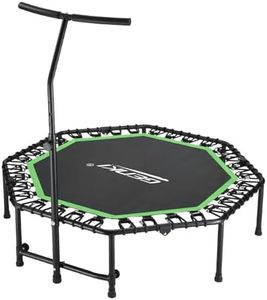
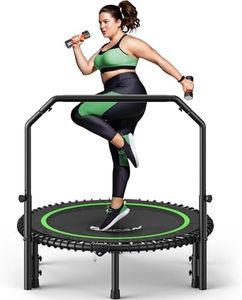
Buying a trampoline can be a fun way to encourage outdoor activity and exercise for people of all ages. When picking a trampoline, focus on the size of your space, who will be using it, and safety features. Carefully think about where you’ll put it and who will typically jump on it—small kids, teenagers, or adults. By understanding the key features and how they relate to your needs, you’ll be able to find a trampoline that is both enjoyable and safe for your household.Size (Diameter)The size of a trampoline is generally measured by its diameter, which can range from small 6-foot models up to large 16-foot ones. Size determines how many people can use it at once and what kind of jumps or tricks are possible. Smaller trampolines (6-8 feet) are best for young children or tight spaces, while medium (10-12 feet) are suitable for larger kids and limited backyards. Larger trampolines (14 feet and above) offer more room for older kids, teens, or multiple users. You should choose based on your yard size and the age and number of users you expect.
Weight LimitThe weight limit tells you the maximum total weight the trampoline can safely hold. This is critical for safety because going over the limit could damage the frame or springs and might cause injury. Lower limits (around 150 lbs) are okay for one or two small children, while higher limits (up to 400 lbs or more) are designed for multiple or older users. Pick a trampoline with a weight limit that matches the size and age range of your users, ensuring everyone can jump safely.
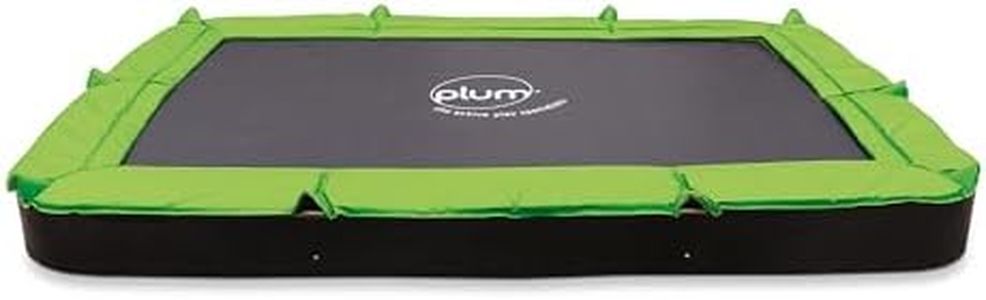
ShapeTrampolines come in a few shapes—round, rectangular, oval, and sometimes square. Round trampolines are the most common for home use, offering decent bounce and pulling jumpers toward the center for safety. Rectangular trampolines provide a more powerful, even bounce across the surface and are favored by athletes and gymnasts. Oval and square ones find a balance between space and bounce. Think about what type of jumping you want—a round trampoline is best for general fun and beginners, while rectangular is better for experienced jumpers or those interested in tricks.
Enclosure NettingNetting is the safety fence that surrounds the trampoline to prevent people from falling off. It is especially important for families with young kids or jumpers just learning. A high, tightly-woven net with secure zippers or latches keeps jumpers contained. Some trampolines have the net inside the frame (safer because it keeps users away from springs), while others are outside. Always consider a model with strong, durable netting for added peace of mind, especially if safety is your top concern.
Frame and Spring QualityThe frame supports the structure, while springs affect the bounce. Strong, rust-resistant steel frames give the trampoline stability and longer life, important if you want it to last through many seasons outdoors. High-quality, tightly-coiled springs deliver a better, safer bounce. Cheaper materials may wear out faster or bend. If you’re planning heavy use or have older children, prioritize strong frames and springs to ensure the trampoline remains reliable over time.
Safety PaddingSafety padding covers the springs and frame to help prevent injuries from falls or missteps. Thicker, weather-resistant padding offers more protection, shielding users from hard or sharp parts. If children or beginners will use the trampoline, opt for the thickest and most durable padding possible, since accidental slips are more common for them.
Assembly and PortabilityTrampolines require assembly, which can range from simple to complex. Some models are designed for easy setup with clear instructions, while others may need more time and tools. Portability relates to how easy it is to move the trampoline if you need to relocate it for mowing or weather protection. If you think you might need to move it often, look for lighter models or designs that can be taken apart easily.