10 Best Triathlon Cycling Shoes
From leading brands and best sellers available on the web.By clicking on a link to a third party's website, log data is shared with that third party.
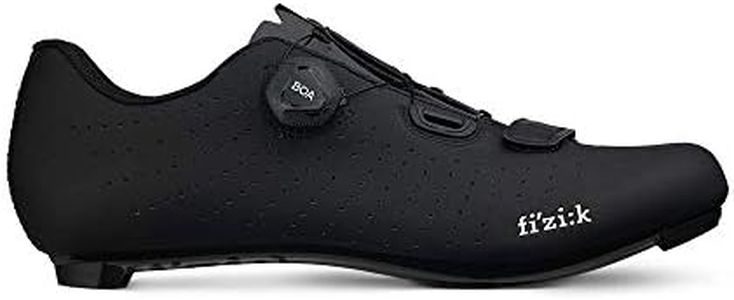
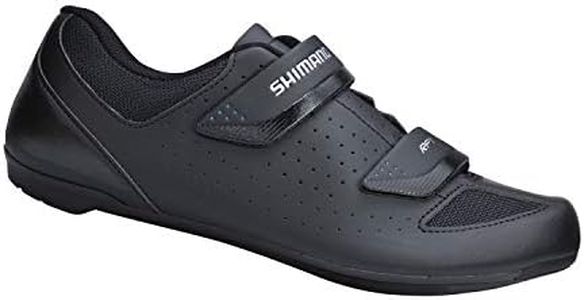
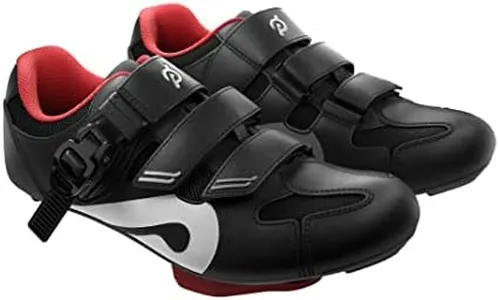
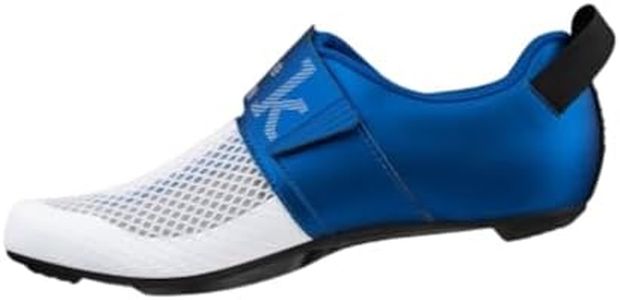
Related Products
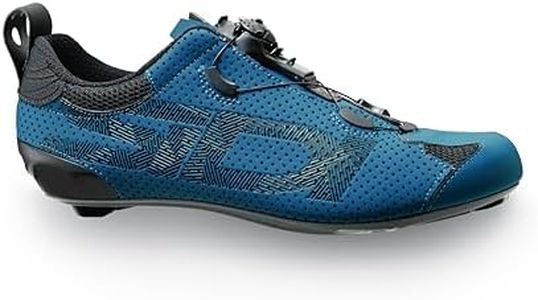
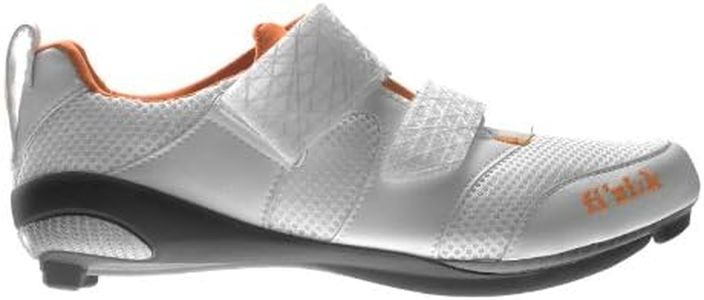
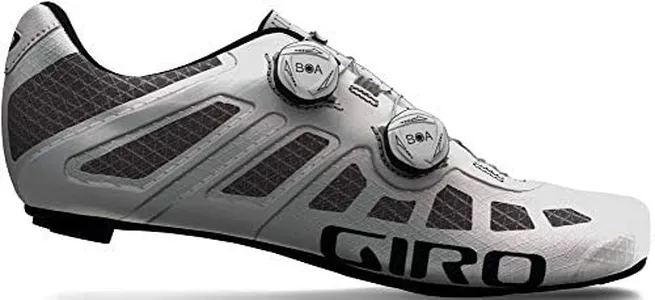


Buying Guide for the Best Triathlon Cycling Shoes
Choosing the right triathlon cycling shoes can make a big difference in your comfort, speed, and overall performance on race day. Since triathlons involve multiple transitions and specific cycling demands, triathlon shoes are designed to be easy to put on and take off quickly, while also providing support and efficiency for cycling. Identifying your personal needs, such as the type of races you’ll participate in and your cycling style, will help you pick the right fit.Closure SystemThe closure system refers to how the shoe fastens around your foot, and it is very important in triathlon because it influences how quickly you can put on and take off your shoes during transitions. Common types include Velcro straps, BOA dials, or ratcheting buckles. Velcro is most common because it’s fast and simple to use with wet hands, while dials and buckles allow for more precise fit but may take extra time. If transition speed is your priority, look for shoes with fewer, larger straps; if a custom fit is more important to you, consider more adjustable systems.
Ventilation and DrainageVentilation and drainage refer to how well the shoes keep your feet cool and allow water to escape, which is important because you may start cycling with wet feet after swimming. Shoes with mesh panels, breathable materials, and drainage holes are best for evaporating sweat and draining excess water. If you tend to participate in warm-weather races or have very wet transitions, prioritize shoes with more ventilation and well-designed drainage to keep your feet comfortable and blister-free.
Sole Stiffness and MaterialThe sole is the part of the shoe that connects you to the bike, and its stiffness determines how efficiently your power is transferred to the pedals. Soles can be made from nylon, carbon, or composite materials. A stiffer sole (often carbon) provides better power transfer but can be less forgiving for long rides. Nylon is more comfortable but may sacrifice some efficiency. If you are aiming for peak performance or race regularly, opt for a stiffer sole; if you prioritize comfort, especially over long distances, a slightly more flexible sole may be better.
Heel LoopA heel loop is a small strap at the back of the shoe that helps you pull the shoe on more quickly during transitions. This feature is important for triathlons because it saves time and makes slipping your foot in much easier, especially when your feet are wet or when you’re in a rush. If quick transitions are a key concern, make sure your shoes have a sturdy, easy-to-grip heel loop.
Fit and SizingFit and sizing are always crucial for comfort and performance, as cycling shoes need to be snug but not too tight to avoid discomfort or numb feet. Triathlon shoes are sometimes worn without socks, so make sure to try them barefoot if that’s your plan, checking for rubbing or pressure points. Try on several sizes if possible, and keep in mind any foot swelling during longer rides. Choose the fit that feels secure and comfortable for your typical usage.
Cleat CompatibilityCleat compatibility refers to the type of pedal system a shoe will work with, usually expressed as the bolt pattern (such as three-bolt for road pedals or two-bolt for MTB/spin pedals). Before buying, know what pedal system your bike has, and check that the shoes match. For typical triathlon cycling, most athletes use a three-bolt road system for efficiency, but if you use your shoes for different types of riding or indoor cycling, make sure the shoes will work with your needs.