10 Best Tunisian Crochet Hooks
From leading brands and best sellers available on the web.By clicking on a link to a third party's website, log data is shared with that third party.

Related Products
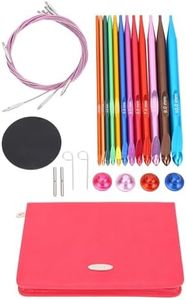
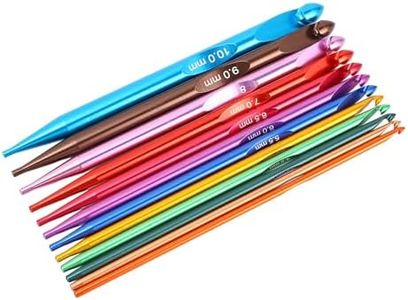
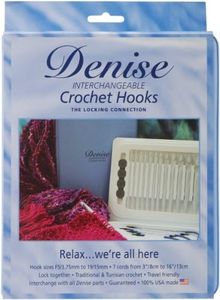

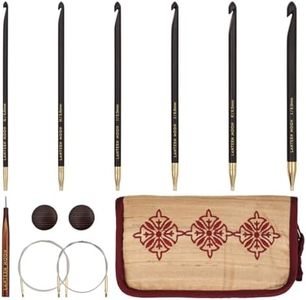

Buying Guide for the Best Tunisian Crochet Hooks
When shopping for Tunisian crochet hooks, you'll notice that these tools come in a variety of sizes, materials, and styles. The right hook can make your projects smoother, more comfortable, and more enjoyable. As you browse options, it's important to understand the key features that distinguish different hooks and to relate them to the type of projects you want to make. Carefully considering the main specifications will help you select a Tunisian crochet hook that feels good in your hand and matches the yarn and patterns you have in mind.LengthLength refers to how long the hook is from end to end. Tunisian crochet hooks are typically longer than regular crochet hooks because they need to hold many stitches at once, almost like a hybrid between a crochet hook and a knitting needle. Hooks come in various lengths—short lengths (around 8 inches or less) are good for small items like dishcloths, while medium lengths (around 10-12 inches) suit scarves or panels, and longer or flexible cord hooks (sometimes 14 inches or more) are used for bigger projects like blankets. Choose a length based on the width of the item you're planning to make; the more loops your project requires, the longer the hook you’ll need.
Hook SizeHook size refers to the thickness of the hook, usually measured in millimeters. This is very important because it determines how large your stitches will be and how the finished fabric will look and feel. Smaller sizes (like 3–4 mm) are best for thin or lightweight yarns, which are great for delicate projects, while medium sizes (5–7 mm) work well with standard worsted weight yarns for everyday items. Larger hooks (8 mm and up) are for bulky yarns, creating soft, open-weave projects. To pick the right one, you should match the hook size to your yarn label’s suggestion and the look you want for your finished piece.
MaterialThe material of the hook can be metal, wood, bamboo, or plastic, and each one feels different to use. Metal hooks are durable and help yarn glide smoothly, good for those who prefer speed. Wooden and bamboo hooks are warmer to the touch and provide extra grip, which can help control slippery yarns or be gentler on your hands. Plastic hooks are light and affordable, suitable for larger hooks and chunky yarns. Think about how a material will feel if you're crocheting for many hours or what type of yarn you use most often; the right material can reduce hand fatigue and make crocheting a more pleasant experience.
Tip StyleThe tip of the hook can be either pointed or blunt, and this affects how easily you can insert the hook into stitches. A pointed tip helps when working with tight stitches or intricate patterns, making it easier to maneuver under yarn loops. A blunter tip is less likely to split yarn and may suit simple or loose patterns. Consider your own crocheting style—if you tend to crochet tightly or like complex designs, a sharper tip helps; otherwise, a blunter tip might be more comfortable.
Type (Straight, Double-Ended, Corded/Afghan Hook)Tunisian crochet hooks come in straight, double-ended, or corded designs. Straight hooks look like extra-long traditional crochet hooks and are great for most flat or simple projects. Double-ended hooks have a hook on both ends, allowing special techniques such as working with two colors at once or circular Tunisian crochet. Corded or Afghan hooks have a cable attached for holding lots of stitches, ideal for large blankets and seamless projects. Pick the type based on the project size and the techniques you want to do—simple flat projects are fine with straight hooks, but circular or very wide projects will benefit from corded or double-ended options.